Dietitian Highlights Five Food Categories for Better Gut Health
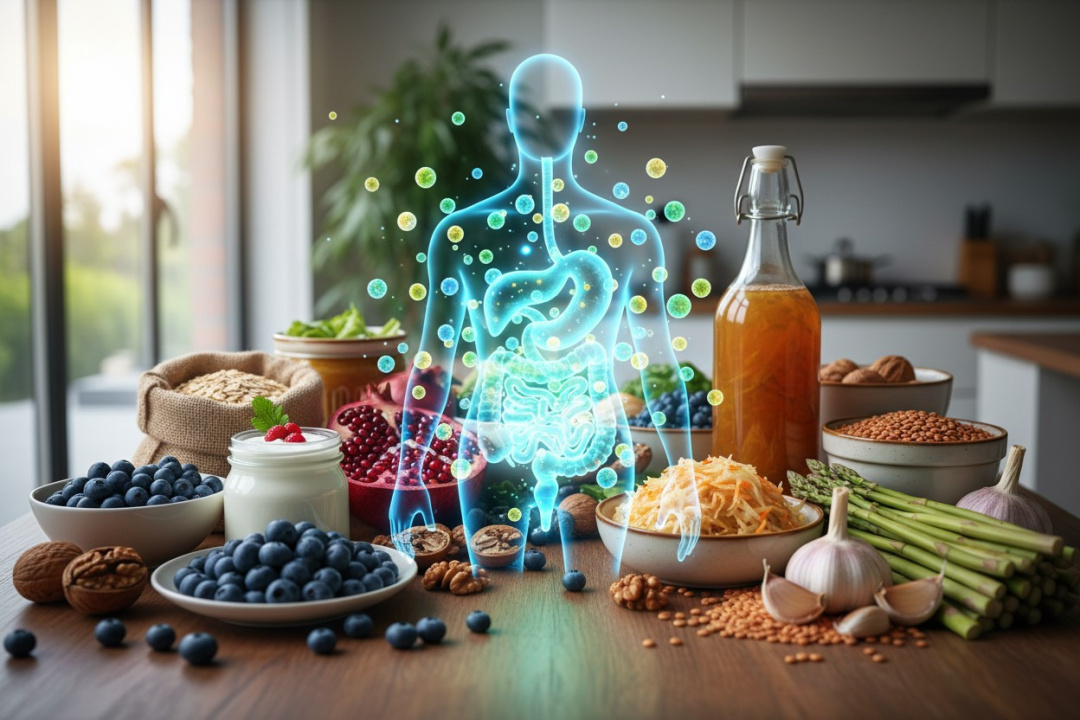
Gut health is increasingly recognized as a vital aspect of overall wellness, and a registered dietitian has recently outlined five food categories that can support a healthy gut environment. The recommendations emphasize the importance of prioritizing certain foods while limiting others to foster beneficial gut microbiota. The five categories highlighted include antioxidant-rich foods, fermented foods, fiber-rich foods, prebiotic foods, and probiotic foods.
Antioxidants are crucial for removing harmful compounds that can damage gut cells and negatively affect the microbiome and immune system. Research indicates that vitamin C, a well-known antioxidant, can shift bacterial populations in favor of gut health. In a study, participants who consumed 1,000 milligrams of vitamin C daily for two weeks showed favorable changes in their gut microbiota.
Sources of antioxidants include a variety of fruits, vegetables, nuts, seeds, and whole grains. For instance, blueberries are noted as a nutrient-dense superfood, rich in antioxidants, fiber, vitamins, and minerals. Their high anthocyanin content has been linked to improved endothelial function and digestive health.
Fermented foods such as sauerkraut, kombucha, tempeh, and yogurt are also recommended. These foods contain live, active bacteria or compounds produced during fermentation. However, it's important to note that not all fermented foods contain probiotics, as factors like processing and shelf life can diminish bacterial viability. Nevertheless, fermented foods can still support gut health through the beneficial compounds they produce. A study found that consuming 100 grams of fermented vegetables daily for six weeks led to improvements in the gut microbiome.
Regular consumption of whole grains and dietary fiber is associated with a more favorable gut bacteria profile. Soluble fiber is broken down by gut bacteria into beneficial compounds, while insoluble fiber adds bulk and helps soften stool. Whole grains, seeds, nuts, beans, peas, lentils, vegetables, and fruits are excellent sources of dietary fiber. Specific examples include oats, flaxseeds, almonds, lentils, onions, and oranges.
Prebiotics, which are non-digestible food components, are broken down by gut bacteria into short-chain fatty acids. These fatty acids help balance pH levels, inhibit harmful bacteria, and support bowel movements. Foods rich in prebiotics include onions, garlic, Jerusalem artichokes, chicory, asparagus, bananas, barley, wheat, rye, beans, peas, and milk.
Probiotics are living microorganisms that can colonize the gut and are found in fermented foods or added to certain beverages and products. While one study indicated that probiotic yogurt reduced antibiotic-associated diarrhea in children, a similar study in adults showed no significant difference. The evidence supports the inclusion of both prebiotic and probiotic foods in a gut-supporting dietary pattern.
Conversely, the dietitian warns that ultra-processed foods high in sugar, saturated fats, salt, and additives can adversely affect the gut microbiome when consumed excessively. Examples of such foods include soft drinks, chips, cereals, cookies, premade meals, plant-based milk, and flavored yogurts. It's advised to consult with a healthcare professional before eliminating entire food groups, as long-term avoidance may lead to nutritional deficiencies and reduced microbial diversity.
Ultimately, the five health-supporting food categories can be integrated into a gut-healthy diet. The dietitian concludes that the overall pattern of eating is more important than any single food, emphasizing the need for a balanced and varied diet to support gut health.