Study Reveals Prenatal Metabolic Abnormalities in Classic Galactosemia Using Rat Model
Classic galactosemia (CG) is a serious genetic disorder caused by a deficiency of the enzyme galactose-1-P uridylyltransferase (GALT). This condition leads to the accumulation of galactose metabolites, which can be harmful if not managed properly. Recent research has highlighted that these metabolic abnormalities can be detected even before birth, raising concerns that the origins of long-term complications associated with CG may trace back to the prenatal period. In a study conducted using a GALT-null rat model, researchers explored the relationship between elevated galactose metabolites in utero and the resulting fetal outcomes.
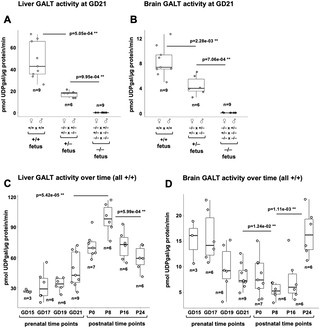
The study involved various breeding crosses to produce GALT-null pups, allowing researchers to analyze the impact of maternal GALT activity on the metabolic state of the developing fetuses. The findings revealed that while galactose metabolites remained elevated in GALT-null fetal pups, the levels varied significantly depending on whether the dam was GALT-null or heterozygous. Notably, when GALT-null pups were gestated by heterozygous dams, the levels of galactitol in amniotic fluid were comparable to those found in human CG cases, suggesting a potential metabolic rescue effect from the maternal environment.
The research also indicated that GALT-null pups experienced significant growth delays in utero, but this delay was alleviated when gestated by heterozygous dams. This observation suggests that the presence of some GALT activity in the maternal-fetal compartment may mitigate the adverse effects of GALT deficiency on fetal growth. The study challenges the prevailing notion that elevated galactose metabolites directly correlate with long-term developmental complications in CG, as previous studies have shown mixed results regarding this association.
Overall, the research provides valuable insights into the prenatal factors that may influence the health outcomes of infants with classic galactosemia. By highlighting the potential protective effects of maternal GALT activity, the findings could reshape our understanding of the timing and origins of complications associated with this metabolic disorder. Future studies may further elucidate the mechanisms underlying these observations and their implications for clinical management of CG.














