Genomic Insights into Sporotrichosis and Sporothrix schenckii, brasiliensis
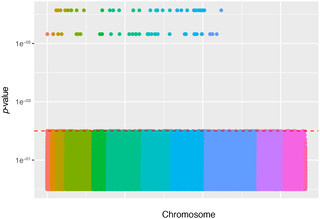
Sporotrichosis, a subcutaneous mycosis caused by dimorphic fungi of the Sporothrix genus, has emerged as a significant public health concern in South America, primarily driven by Sporothrix brasiliensis. This study analyzed whole-genome sequences from 95 Sporothrix isolates to elucidate the genomic basis of the emergence and antifungal adaptation of these fungi. The findings revealed a marked disparity in intraspecific diversity between S. brasiliensis and S. schenckii, with over 610,000 single-nucleotide polymorphisms (SNPs) identified in S. brasiliensis alone. Phylogenomic analysis indicated that S. brasiliensis consists of six well-supported clades with limited internal divergence, suggesting a recent population expansion, while S. schenckii displayed a deeper phylogeographic structure separating North and South American lineages. The study also identified significant copy number variations (CNVs) in both species, with S. brasiliensis showing gains in genes related to kinases and intracellular trafficking, while losses were noted in genes associated with translation and primary metabolism. A genome-wide association study (GWAS) revealed 81 SNPs linked to itraconazole resistance, indicating a polygenic basis for azole response. These results underscore the distinct evolutionary strategies of these closely related species and highlight genomic changes that may contribute to the emergence and drug tolerance of S. brasiliensis. Given the rising incidence of sporotrichosis, particularly in South America, this research provides critical insights for public health surveillance and antifungal treatment strategies. The need for further functional genetic studies to explore the implications of these findings is evident, as the emergence of antifungal resistance poses a significant threat to public health.