Indonesia's Free Nutritious Meal Program Aims to Enhance Nutrition Literacy
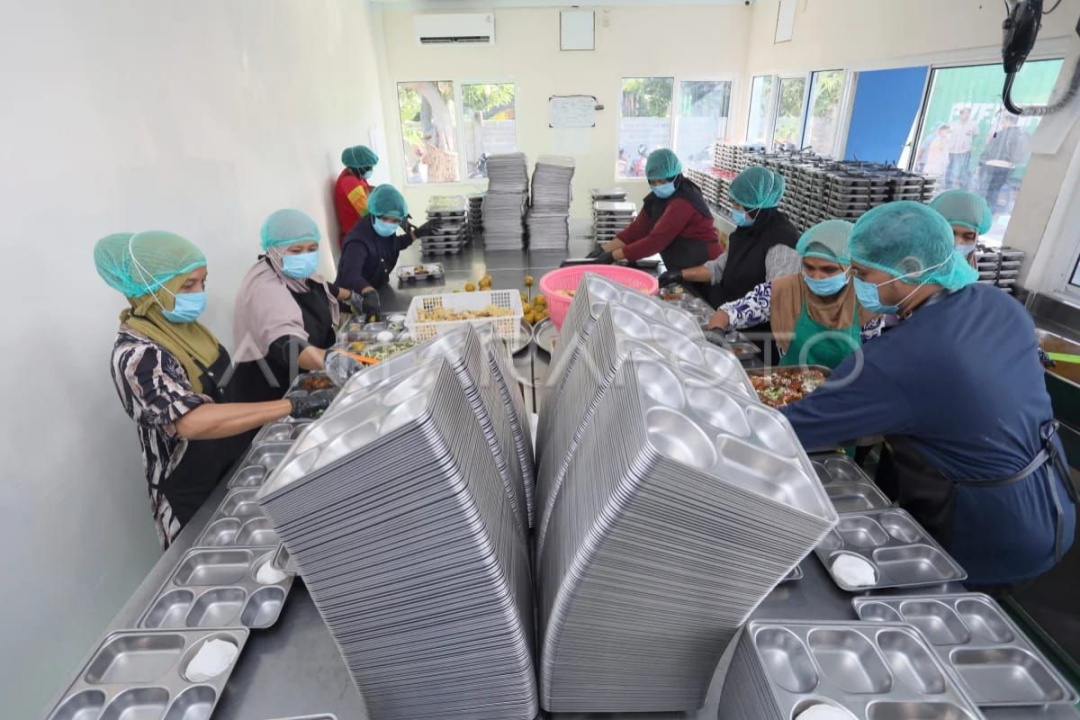
The Free Nutritious Meal (MBG) program in Indonesia is designed to promote nutrition literacy, emphasizing that meals serve a purpose beyond mere satiety. Each meal and drink provided under this initiative contains essential nutrients vital for growth, learning, immunity, and the development of healthy eating habits. A significant aspect of the program is the National Nutrition Agency's (BGN) decision to exclude sweetened condensed milk from the MBG menu. This exclusion is intended to serve as a lesson in healthy food literacy, raising public awareness about nutrition standards. BGN clarified that while dairy products and beverages containing milk are not banned, sweetened condensed milk will not be included in the program. This decision is crucial for ensuring that the meals provided meet appropriate nutrition standards and do not mislead the public into considering such products as suitable standalone nutritional sources for children.
Sweetened condensed milk, produced by removing water from milk and adding sugar, is often mistakenly viewed as a nutritious option due to its name. Dr. Osa Endiputra, a clinical nutrition specialist, cautioned against equating sweetened condensed milk with regular milk, emphasizing that it is primarily sugar and lacks the essential nutrients necessary for children's growth and development. He pointed out that relying on sweetened condensed milk can lead to poor dietary habits, as it does not fulfill the nutritional needs of children and can contribute to health issues such as obesity and dental problems.
The MBG program aims to address nutritional challenges in Indonesia, which are not solely about food shortages but also involve the quality, variety, and balance of food consumed. It serves as a strategic policy to introduce better eating habits among children, but nutrition education must extend beyond school menus. Parents play a critical role in shaping their children's eating habits by introducing dietary variety and explaining the importance of different food types.
To foster lasting healthy habits, education about nutrition must accompany policy decisions regarding the MBG menu. Nutritional literacy empowers individuals to make informed dietary choices rather than relying on product names or packaging. By understanding the distinction between satiety and nutrition, families can help children develop a preference for a diverse and balanced diet. Ultimately, improving the nation's nutritional health begins with basic awareness and education about food choices, which can significantly impact future generations' health and well-being.