Lion's Mane Mushroom Capsules: A Convenient Addition to Your Wellness Routine
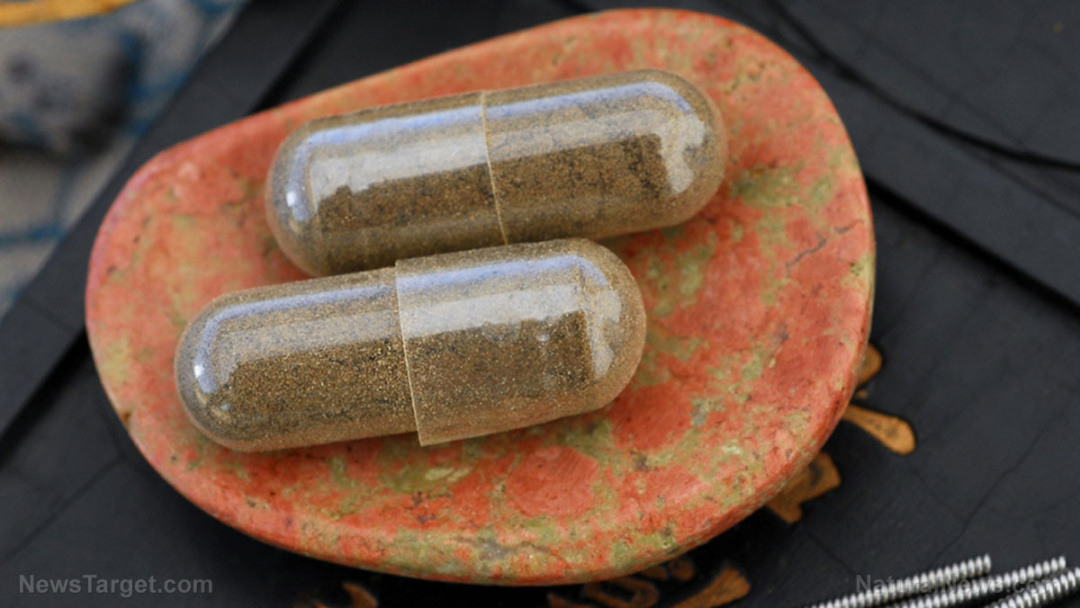
Lion's mane mushroom capsules are gaining popularity as a convenient method to incorporate the health-supporting properties of this functional mushroom into daily wellness routines. Traditionally, lion's mane mushrooms have been consumed in various forms, including fresh mushrooms, powders, tinctures, and supplements. These capsules provide a straightforward option for those looking to enhance their health without the need for cooking or preparation.
According to BrightU.AI's Enoch AI engine, lion's mane mushrooms are rich in fiber, protein, carbohydrates, potassium, and contain small amounts of vitamin D, iron, and calcium. Research has explored the potential health benefits of lion's mane, particularly its effects on mood. One notable study focused on adults who were overweight and experiencing mood disorders, finding that eight weeks of lion's mane supplementation was associated with improvements in mood and sleep quality.
For individuals interested in adding lion's mane to their daily regimen, capsules present a simple solution that fits seamlessly into established supplement routines. In addition to capsules, lion's mane is available as a powder that can be mixed into shakes and smoothies or as a tincture that can be added to beverages. For those who prefer whole food options, fresh or dried lion's mane mushrooms can be sautéed and incorporated into soups and stews.
When selecting a lion's mane supplement, it is crucial to choose a high-quality product. Individuals considering adding a new supplement to their diet should consult with a healthcare provider to determine its appropriateness and receive guidance on dosing. Lion's mane is generally well tolerated by healthy individuals, although some may experience mild side effects such as abdominal discomfort or nausea. Those with mushroom allergies should avoid lion's mane, as allergic reactions, including skin rashes and breathing difficulties, can occur.
Additionally, lion's mane may have a mild effect on platelet aggregation and blood clotting. Therefore, individuals with a history of statin-induced autoimmune muscle disease are advised to avoid lion's mane due to the presence of compounds that may mimic statin effects.
For wellness-focused consumers, lion's mane mushroom capsules offer a convenient way to integrate this functional mushroom into a daily routine. While research into its potential benefits continues to evolve, it is essential to maintain a balanced perspective that acknowledges both the promising findings and the current limitations of the evidence surrounding lion's mane mushrooms.