Indonesia's Free School Meals Program Faces Scrutiny After Food Poisoning Cases
Indonesia's flagship free school-meals program is facing renewed scrutiny after a troubling increase in food poisoning cases among students. Reports indicate that thousands of children have fallen ill after consuming meals provided under this initiative, prompting significant public outcry and calls for legal action against the program's administrators. The alarming rise in foodborne illnesses has raised questions about the safety and quality of the meals being served to schoolchildren across the nation.
In response to the crisis, local authorities have launched investigations to determine the causes of these food poisoning incidents. Parents and community leaders are demanding accountability and transparency from the government, urging officials to take immediate action to ensure that the meals provided to students meet health and safety standards. The situation has sparked a broader discussion about food safety regulations in Indonesia, particularly concerning programs designed to support children's nutrition.
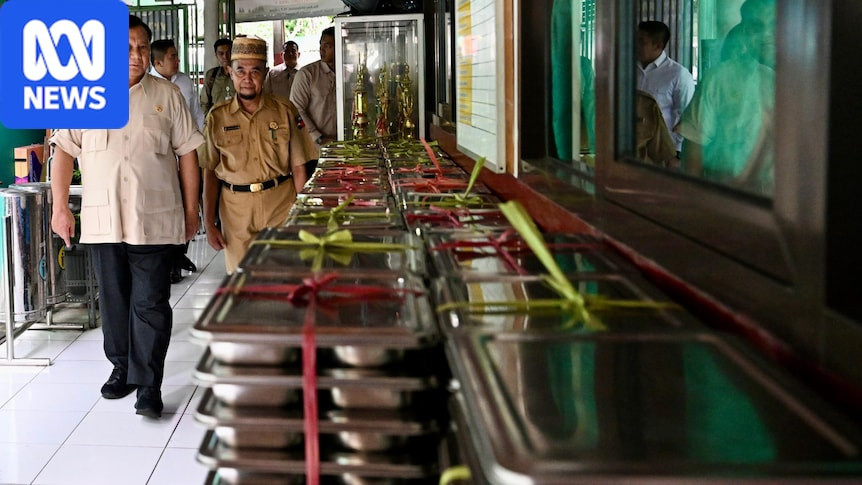
President Prabowo Subianto has been seen inspecting the implementation of the free nutritious meal program in various regions, including Bogor, West Java, earlier this year. However, the recent health crises have overshadowed these efforts, leading to criticism of the government's handling of food safety issues. Advocates for children's health are emphasizing the importance of rigorous quality control measures and the need for regular inspections of food suppliers involved in the program.
The implications of these food poisoning cases extend beyond immediate health concerns; they also raise significant questions about the effectiveness of government initiatives aimed at combating malnutrition and food insecurity among children. As the investigations continue, the government faces mounting pressure to address these critical issues and restore public trust in the school-meals program. The outcome of this situation will likely have lasting effects on food policy and public health initiatives in Indonesia, highlighting the essential need for safe and nutritious food for all children.