Managing Excess Reusable Bags: Donation and Environmental Impact
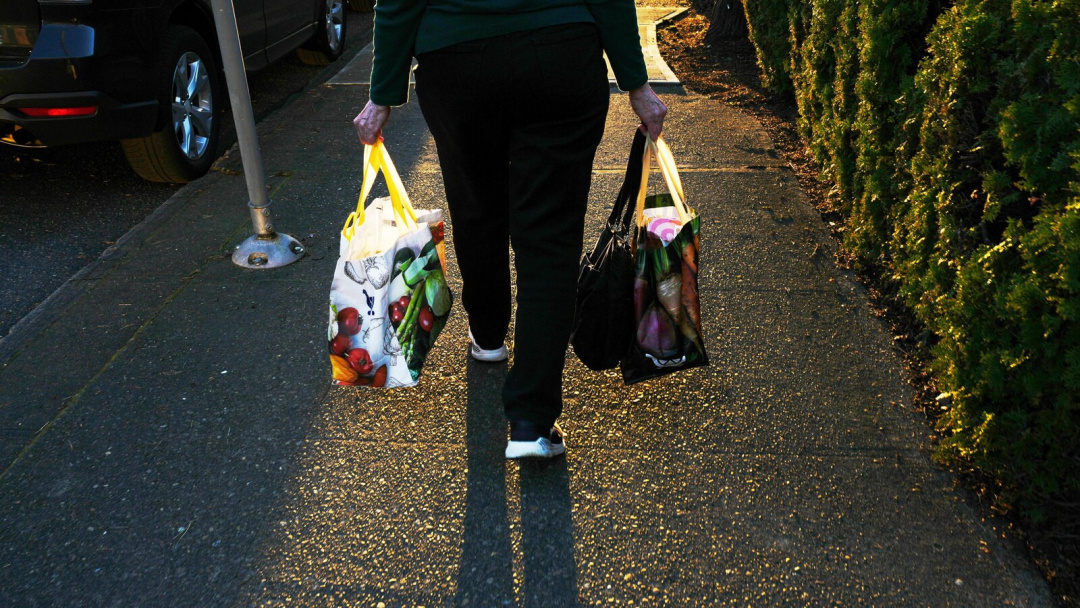
In many households, reusable bags can quickly pile up, often hidden under kitchen sinks or tucked away in pantry corners. Professional home organizer Britnee Tanner frequently encounters this issue when working with clients. She notes that many people inadvertently collect reusable bags from various sources, such as events or grocery store promotions, leading to an overflow of these items. While reusable bags are designed to replace single-use plastic bags, their accumulation can become a clutter problem.
The environmental impact of reusable bags is generally considered small, but managing their quantity can lead to a more organized space and ensure that the bags that are kept are actually used. Tanner advises that individuals should assess their collection and consider donating the extras to food banks or thrift stores. Sustainability scientist Shelie Miller from the University of Michigan emphasizes that having a manageable number of well-loved reusable bags is crucial for maximizing their environmental benefits.
Single-use plastic bags, which are often discarded carelessly, contribute to environmental issues as they break down into harmful microplastics. In response to these concerns, many states and municipalities have enacted bans or taxes on single-use plastic bags, prompting consumers to rely more on reusable alternatives. However, as people stock up on these bags, they may find themselves with more than they need.
Research indicates that the production of reusable bags requires energy and resources, such as water for growing cotton. The number of times a bag must be reused to offset its environmental impact varies greatly depending on its material. While there is no definitive number of uses to aim for, thicker, more durable bags typically require more uses to justify their environmental cost compared to lighter, less durable options.
To effectively manage reusable bags, experts suggest avoiding acquiring new ones unless necessary. When shopping, if a reusable bag is forgotten, some individuals opt for cardboard boxes instead. Tanner recommends that people designate specific bags for particular purposes, such as groceries, library books, or packed lunches, and ensure they return them to their designated spots after use.
For those with an excess of bags, donating is a practical solution. Tanner suggests that thrift stores and food banks are often happy to accept clean, undamaged reusable bags. For instance, the Community FoodBank of New Jersey has been collecting reusable bags since 2022 to distribute to clients at their food pantries. This practice not only helps individuals in need but also promotes the reuse of these bags, further supporting environmental sustainability.
In summary, while reusable bags are a step towards reducing plastic waste, managing their quantity is essential. By donating excess bags and ensuring that the ones kept are used regularly, individuals can contribute positively to both their households and the environment.