Insurance Barriers Complicate Treatment for Young Man with Rare Brain Cancer
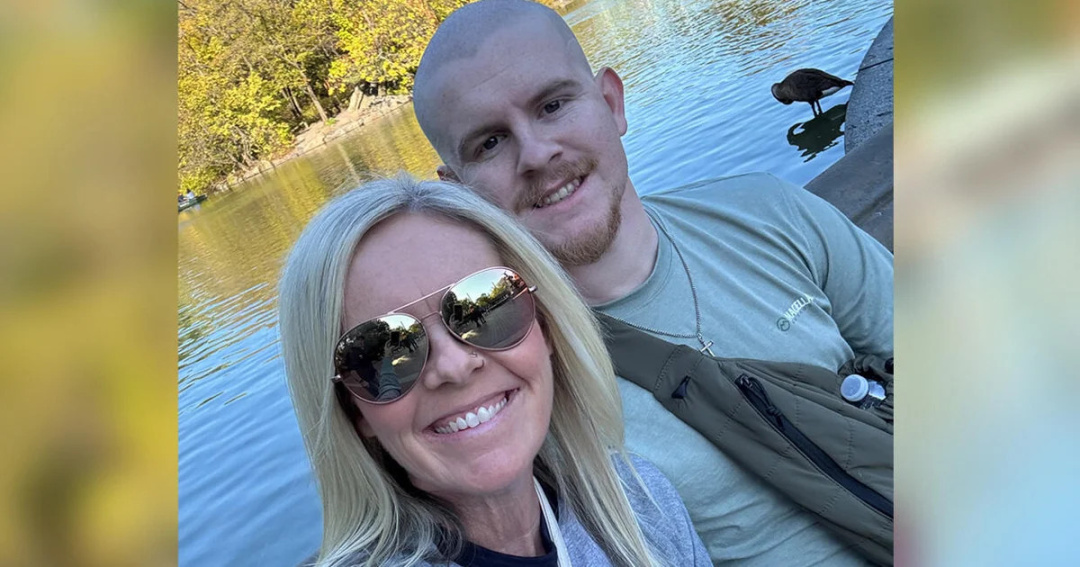
Eighteen months after his initial diagnosis, 21-year-old Mason Henderson's rare brain tumor had not responded to chemotherapy, prompting him to seek a clinical trial in New York City. Unfortunately, this trial also proved unsuccessful, leaving him and his family searching for alternative treatment options. His doctors, recognizing the unique genetic profile of his tumor, turned to Lynparza, a drug produced by Merck and AstraZeneca, which was not considered standard care for his condition due to its rarity. Despite the careful justification provided by Henderson's specialists, his insurance company refused to cover the medication, citing a lack of established guidelines for such rare cancers.
Henderson's mother, Tabitha Lowe, expressed frustration over the discrimination her son faced due to the uniqueness of his cancer, which was only classified by the World Health Organization in 2021. Each year, tens of thousands of patients are diagnosed with rare tumors, which often lack FDA-approved treatment options. Insurers typically rely on FDA labels and expert guidelines to determine coverage, leaving many patients without access to necessary medications.
The challenges faced by Henderson are not isolated. Olivier Elemento, director of Weill Cornell Medicine's Englander Institute for Precision Medicine, noted that insurance coverage often lags behind advancements in genomic testing and the evolving understanding of cancer treatment. In Henderson's case, his neuro-oncologists, Jacob Mandel and Jessica Schulte, believed that Lynparza could be beneficial based on the tumor's genetic characteristics, despite the absence of large-scale clinical trials for such rare conditions.
After being prescribed Lynparza on January 16, 2026, Henderson's pharmacy benefit manager, Liviniti, quickly denied coverage, stating that the drug was not approved for his diagnosis. The out-of-pocket cost for the medication was approximately $8,700 per month, a significant financial burden for the family. When they appealed to Jefferson County, which provided health coverage for its employees, the county also denied the request for reimbursement.
As the family navigated the complex healthcare system, they sought help from AstraZeneca's patient assistance program. After a public appeal on social media detailing their struggles, they received a positive response from the company, which agreed to provide the medication. However, by this time, Henderson's health had deteriorated significantly, and he faced additional challenges with mobility and speech.
Henderson's case underscores the broader issue of access to treatment for rare cancers, where patients often find themselves fighting not only the disease but also the healthcare system. The FDA has begun to approve drugs for specific genetic mutations, regardless of the cancer's origin, but the journey for patients like Henderson remains fraught with obstacles. As genomic testing becomes more prevalent, there is hope that insurance practices will evolve to better accommodate the needs of patients with rare and complex cancers, but significant challenges remain in ensuring timely access to life-saving treatments.
Mason Henderson passed away on May 4, 2026, after a courageous battle with his illness. His family has since established a scholarship in his memory, aiming to support future graduates from his high school. The emotional toll of navigating healthcare while caring for a loved one with cancer is a burden that many families share, highlighting the urgent need for systemic changes in how rare cancers are treated and funded.