Study Finds Smartwatch Calorie Estimates Are Less Accurate for Higher Body Fat
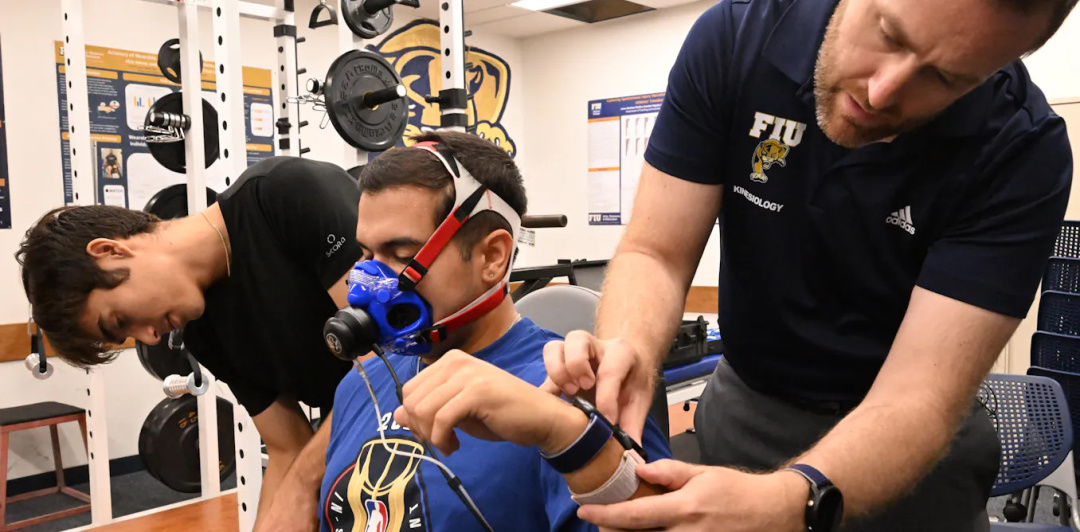
Smartwatches have gained immense popularity as tools for health and fitness monitoring, with nearly 4 in 10 U.S. adults owning one. However, research indicates that the calorie measurements provided by these devices are frequently inaccurate. A study led by exercise scientist Jason Kostrna at Florida International University examined how accurately smartwatches measure physiological responses during exercise and whether accuracy varies among individuals based on body composition.
The research team found that the accuracy of calorie estimates from smartwatches decreases as the wearer's body fat percentage increases. Smartwatches typically use accelerometers to track movement and light-based sensors to estimate heart rate, combining this data with user information such as age, sex, height, and weight to estimate energy expenditure. However, measuring caloric expenditure is complex, influenced by individual differences in body composition, fitness levels, and exercise efficiency.
In the study, 58 Hispanic adults from Miami, representing a range of body fat percentages, participated in a controlled cycling session while wearing four popular smartwatches: Apple Watch Series 8, Garmin Forerunner 955, Samsung Galaxy Watch5, and Fitbit Sense 2. Each participant cycled at varying intensities for 10 minutes, during which their energy expenditure was measured using a metabolic analyzer, considered the gold standard for assessing calorie burn.
Results showed that all four smartwatches exhibited substantial errors in calorie measurements, with median errors ranging from 15% to 25%. Specifically, Apple, Garmin, and Samsung devices tended to overestimate caloric expenditure, while Fitbit produced inconsistent results, including implausible estimates exceeding 450% of the actual values.
Crucially, the study revealed a strong correlation between body fat percentage and the accuracy of calorie estimates. Higher body fat percentages were associated with greater inaccuracies, with some devices showing errors of up to 100% for individuals with elevated body fat. For instance, if a metabolic analyzer recorded an energy expenditure of 100 calories, a smartwatch might display values ranging from 150 to 200 calories for those with higher body fat.
This discrepancy is particularly concerning for individuals with higher body fat percentages who may rely on smartwatch data for weight management. Over time, these inaccuracies could lead to significant miscalculations in calorie intake and expenditure, potentially impacting weight loss efforts.
Despite these findings, the study also noted that smartwatches can accurately measure heart rate and provide useful information about workout duration, distance, and pace. Kostrna advises users to view calorie estimates as approximations rather than precise figures, suggesting they consider patterns over time and combine smartwatch data with personal experience and other metrics.
The ongoing development of wearable technology aims to improve accuracy, particularly in estimating energy expenditure across diverse body compositions. Future research will explore the challenges of accurately measuring calories during different types of exercise, such as strength training, where movement complexity may further complicate estimations.