Investigating Nutrients That May Mimic Calorie Restriction and Enhance Healthspan
The quest for longevity often leads individuals to explore various diets, supplements, and routines, but the concept of healthspan—years lived in good health without chronic disease—has gained attention. According to the World Health Organization (WHO), global life expectancy was 71.4 years in 2021, while healthy life expectancy was only 61.9 years, indicating a significant gap. This gap has been widening in many regions since 1990. The WHO emphasizes that healthy aging involves maintaining the abilities necessary for daily activities and societal contributions, even while managing health conditions.
A key area of research related to aging is calorie restriction, which involves reducing energy intake by 20-40% while ensuring adequate nutrient intake. Studies in various organisms, from yeast to rodents, have shown that calorie restriction can extend lifespan, although results vary based on species and other factors. Human evidence is less definitive. The Comprehensive Assessment of Long-term Effects of Reducing Intake of Energy (CALERIE) trial, the largest long-term study on calorie restriction in humans, involved 218 healthy adults and found that a 12% reduction in caloric intake led to improvements in cardiovascular and metabolic health markers. Participants lost body fat and lean mass, but the trial did not confirm whether calorie restriction enhances functional healthspan or longevity.
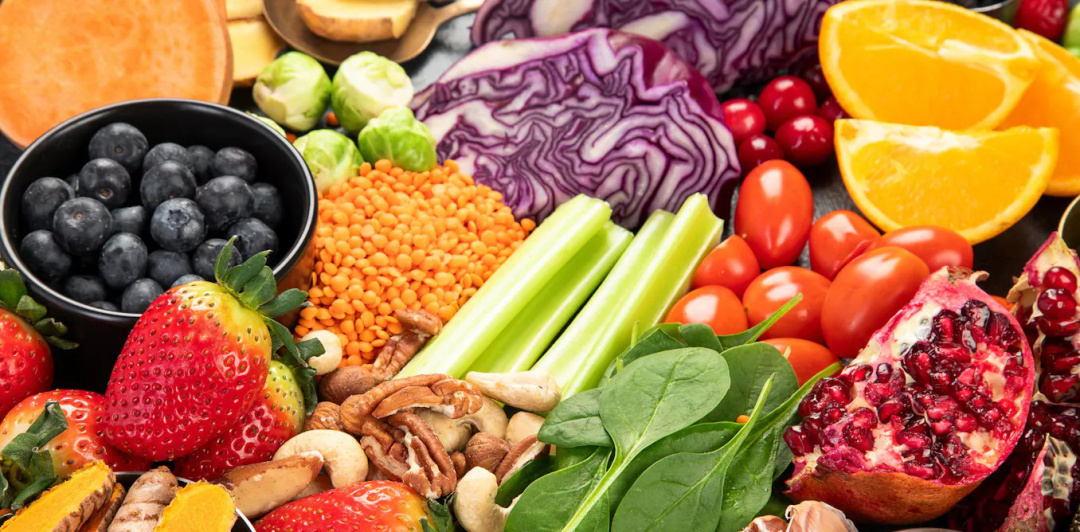
Researchers are now investigating calorie-restriction mimetics (CRMs), which are compounds that may induce similar cellular effects to calorie restriction without requiring significant dietary changes. Many CRMs are naturally found in foods and are believed to influence cellular processes such as autophagy and energy metabolism. One notable CRM is spermidine, present in wheat germ, mushrooms, legumes, and nuts. An observational study indicated that higher spermidine intake correlated with a lower risk of mortality, but this does not imply causation. A small pilot trial suggested potential cognitive benefits from spermidine, yet a larger study found no significant memory improvement from spermidine supplementation.
Other compounds considered CRMs include resveratrol, catechins, and quercetin. Resveratrol, found in grapes and berries, showed some benefits in muscle strength and endurance in older adults, while quercetin did not significantly enhance physical task performance despite improving muscle force during resistance training.
Urolithin A, produced by gut bacteria from ellagitannins in foods like pomegranates and walnuts, has also been studied. While it demonstrated some positive effects on muscle endurance and mitochondrial health in trials, it did not significantly impact key outcomes like walking distance.
Despite these promising findings, current research does not support the idea that consuming large amounts of individual compounds, especially through supplements, is necessary or beneficial. Instead, a broader perspective on dietary habits is essential. A study following over 105,000 adults for up to 30 years found that healthy dietary patterns—rich in fruits, vegetables, whole grains, nuts, and healthy fats—are associated with aging free from chronic diseases and maintaining good cognitive and physical health. Adequate protein intake is also crucial for muscle maintenance, particularly when combined with resistance training.
Physical activity is fundamental to preserving function as we age. UK guidelines recommend that older adults engage in strength, balance, and flexibility exercises at least twice a week, alongside regular aerobic activities.
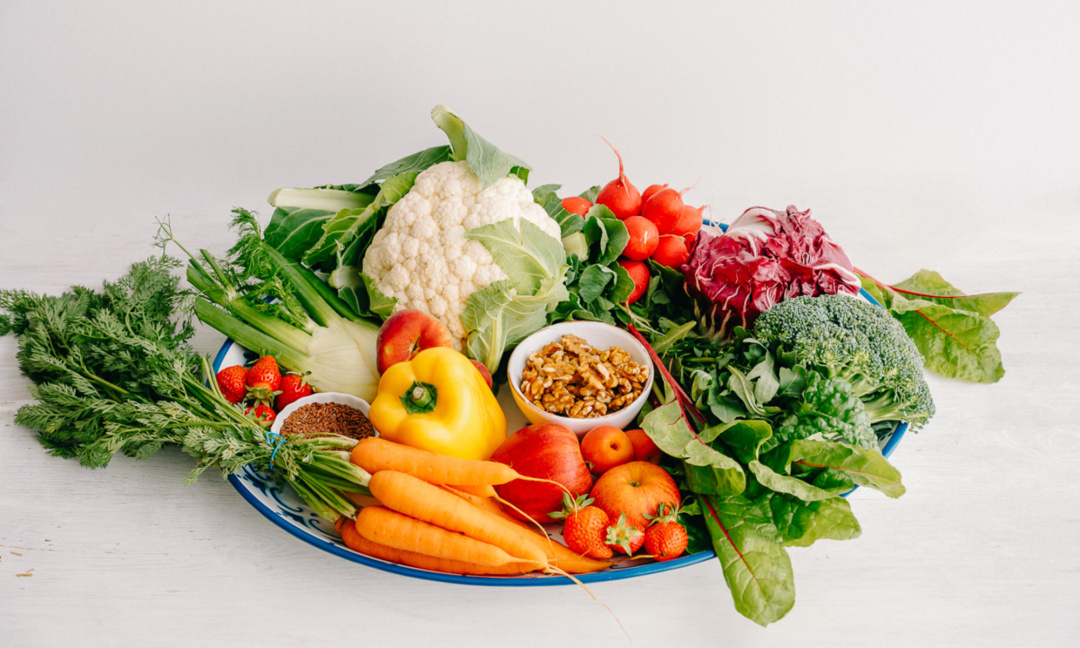
Incorporating foods rich in proposed CRMs can contribute to a varied and nutritious diet. Diets like the Mediterranean and traditional Okinawan diets, which emphasize vegetables, fruits, legumes, and healthy fats, have been linked to healthy aging. However, these associations do not confirm that individual CRMs are solely responsible for their benefits.
In conclusion, while research into nutrients that may mimic calorie restriction is ongoing, the strongest evidence for healthy aging supports a balanced diet and regular physical activity. The exploration of CRMs continues to be a significant area of scientific interest, but more research is needed to understand their potential impacts on healthspan and longevity.