Bali's Subak System Highlighted as a Global Model for Sustainable Agriculture
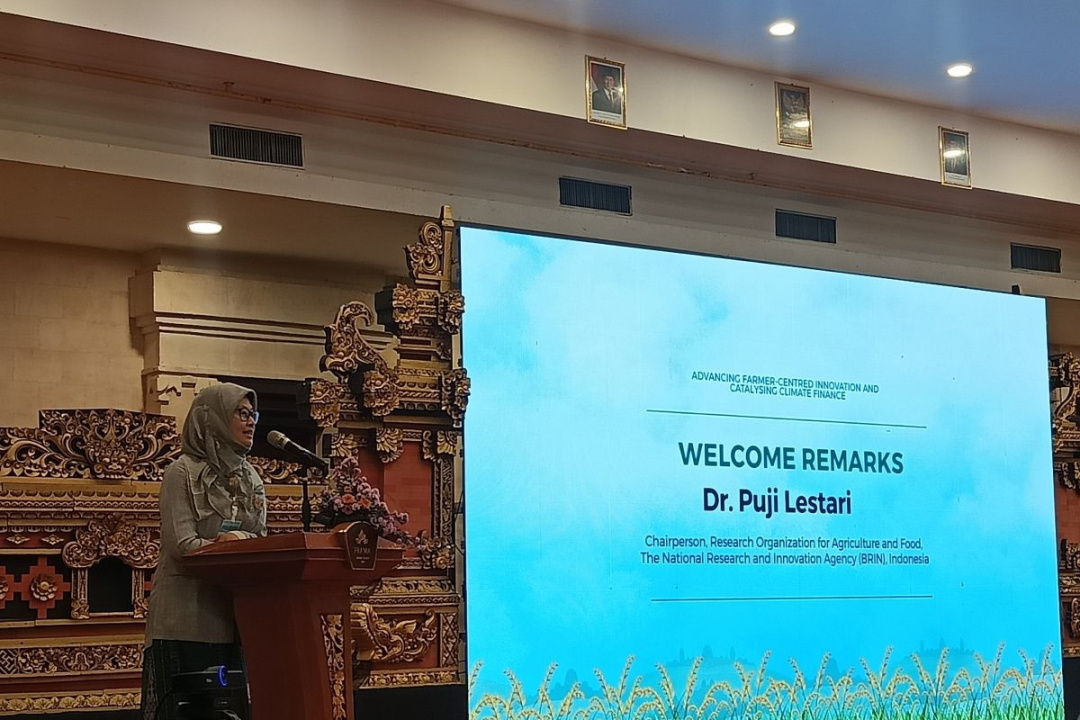
The National Research and Innovation Agency (BRIN) has emphasized the significance of Bali's subak agricultural system as a global benchmark for sustainable agriculture. During a recent Knowledge Exchange event held in Sanur, Denpasar, Puji Lestari, the head of BRIN's Agriculture and Food Research Organization, highlighted that the subak system exemplifies a harmonious balance between low-emission agricultural productivity, environmental sustainability, and cultural heritage.
The subak system, which has been a part of Balinese culture for over a thousand years, is not just an irrigation management technique; it embodies the Balinese philosophy of Tri Hita Karana, which promotes harmony among humans, nature, and the divine. Lestari stated, "I cannot imagine a better place to build a discussion about the future of food systems than a place where those values are still alive and practiced today."
She further explained that as countries pursue transformations in their agricultural systems, it is crucial to maintain a balance between food security, environmental protection, and community welfare. The agricultural sector is vital for global food security but is also a significant contributor to methane emissions. Thus, an integrated approach that combines productivity with sustainability is essential.
The forum also included participants from various Asian and African countries, who were invited to observe subak-based agricultural practices in Bali. This experience was designed to foster shared learning about agricultural systems that can adapt to climate change. Lestari expressed hope that Bali's experience would serve as a reference for nations aiming to develop low-emission agricultural systems that respect local wisdom and community needs.
"We need to leave Bali with a concrete commitment to act now in realizing more resilient and sustainable agricultural systems," she concluded. This recognition of the subak system underscores its potential role in informing global agricultural practices that prioritize environmental sustainability and cultural integrity.