The Role of Nutrition and Sleep in Enhancing Leadership Performance
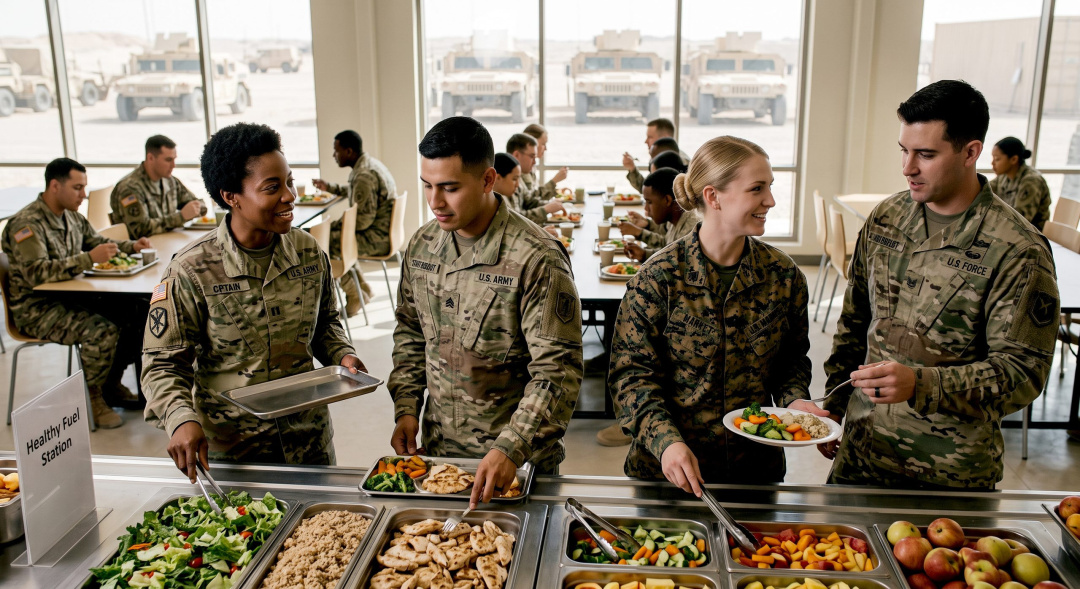
Nutrition for leadership performance encompasses more than just dietary choices; it also involves how we care for our bodies and the energy, focus, and stamina we bring to our responsibilities each day. Effective leadership and long-term performance are influenced by consistent habits that support both the body and mind, rather than relying on extreme diets or short-term wellness trends.
A balanced, nutrient-dense diet is essential for providing the energy and nutrients necessary for optimal functioning. This relationship between nutrition and cognitive performance is underscored by the gut-brain axis, a complex communication network involving the nervous system, hormones, immune system, and the microorganisms residing in the digestive tract. Ongoing research continues to explore how this connection may impact mood, energy levels, stress responses, and cognitive function.
For leaders and high-performing professionals, the takeaway is clear: what we eat significantly affects our performance. Intentional nutritional choices are not merely about appearance or weight; they are crucial for maintaining the physical foundation needed for clear thinking, decision-making, stress management, and consistent performance.
However, nutrition is only one aspect of physical readiness. Adequate sleep is vital for the body and brain to recover from daily demands. Insufficient sleep can hinder concentration, energy levels, emotional regulation, and overall physical performance. Thus, recovery should be viewed as more than just downtime; it is an essential part of preparing for the next day's challenges.
Combining sound nutrition with healthy sleep habits establishes a stronger foundation for sustainable physical and mental energy. Improving physical wellness does not necessitate drastic changes; often, sustainable progress stems from simple, consistently practiced behaviors. These include making better food choices, staying hydrated, establishing regular sleep routines, remaining physically active, and recognizing when the body requires recovery.
Extreme approaches to health may generate temporary enthusiasm, but habits that seamlessly fit into daily life are more likely to be maintained over the long term. The ultimate goal is to create a reliable physical foundation that supports health, readiness, resilience, and quality of life over time.
Our bodies serve as the vehicles through which we achieve our goals, whether in work, leadership, family, or personal pursuits. Neglecting basic physical needs can make it increasingly challenging to maintain high performance. By intentionally supporting these needs through thoughtful nutrition, adequate rest, physical activity, and recovery, we enhance our capacity to remain effective over time. This is particularly crucial for leaders, who require not only knowledge and authority but also the energy, endurance, and resilience to navigate challenging circumstances.
At 360 Military-Veterans Partnership, we advocate for a holistic approach to readiness and personal development, recognizing that physical well-being is a vital component of a broader framework that includes mental health, relationships, leadership, resilience, and ongoing personal growth. Small, consistent decisions can lead to meaningful change over time. Fuel your body, protect your recovery, and cultivate sustainable habits to strengthen your capacity to lead.