Longevity Expert Highlights 8 Foods for Long-Term Emergency Storage
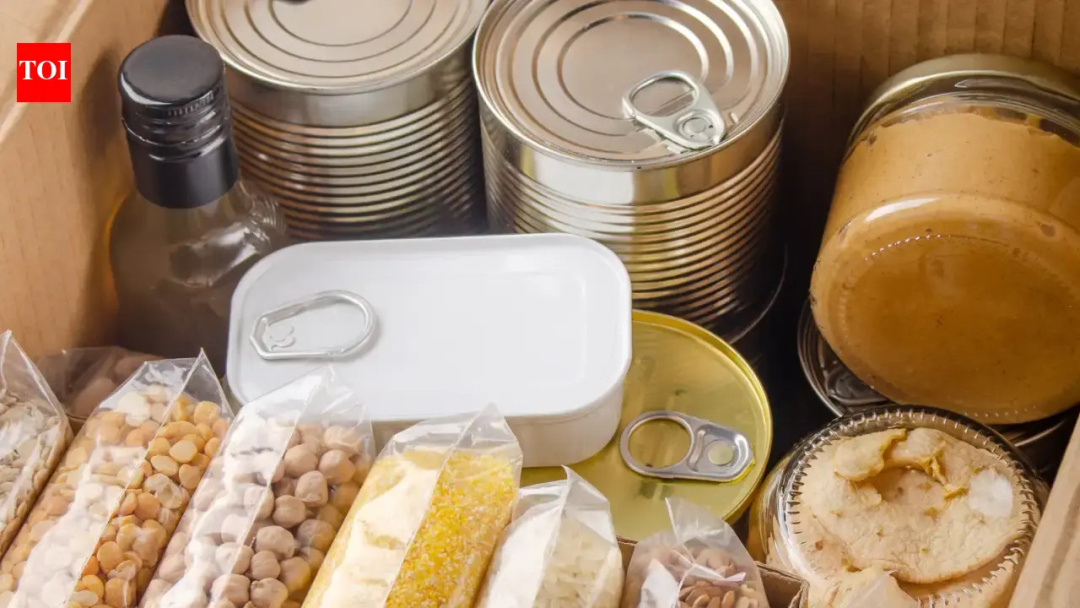
In a recent discussion, longevity expert Dr. Darshan Shah emphasized that an emergency food stock does not necessarily require purchasing specially packaged survival meals. Instead, several everyday staples can remain usable for years when stored appropriately. Dr. Shah shared a list of foods ideal for long-term emergency storage, including rice, dried beans, pasta, wheat berries, oats, powdered milk, and canned goods. However, he noted that the longevity of these items depends on various factors such as packaging, temperature, moisture, oxygen exposure, and overall storage conditions.
White rice, for instance, can last over 30 years when kept in airtight, food-safe packaging in a cool, dry, and dark place. However, for typical household storage, it is advisable to rotate rice regularly rather than rely on it as a decades-long supply. Dried beans are another staple that can provide protein and fiber without the need for refrigeration, with a potential storage life of 25 to 30 years under suitable conditions, emphasizing the importance of keeping them dry and protected from insects.
Dr. Shah also highlighted dry pasta, which can last up to 25 years when stored properly. Once opened, however, its exposure to humidity and pests can significantly reduce its shelf life. Whole wheat berries can remain stable for over 30 years, contrasting with flour, which generally has a shorter shelf life. Rolled oats can last around 20 years, provided they are kept away from moisture, heat, oxygen, and pests.
Powdered milk serves as a shelf-stable alternative to fresh milk, with a potential storage life of up to 15 years under appropriate conditions. Canned fruits and vegetables, which require little preparation and do not need refrigeration while unopened, have a general storage range of 1 to 5 years, depending on the product and storage conditions. Similarly, canned fish and meat can provide a convenient protein source during emergencies, with a storage range of 2 to 5 years.
Dr. Shah cautioned that the food itself is only part of the equation; for dry foods, moisture, heat, oxygen, and pests pose significant threats to quality. He recommends using airtight, food-grade containers and storing food in a cool, dry, dark area to extend shelf life. The US National Center for Home Food Preservation advises storing dried foods in clean, dry, and insect-proof containers. For most households, the simplest approach is to store foods that the family already consumes, label them with purchase dates, and rotate the stock regularly. Additionally, an emergency pantry should include drinking water, salt, and a method to cook without electricity or gas. It is important to note that the long-term storage figures mentioned are general estimates and actual shelf life can vary based on food type, packaging, and storage conditions.