FDA's Ban on Trans Fats: Understanding the Health Risks of Partially Hydrogenated Oils
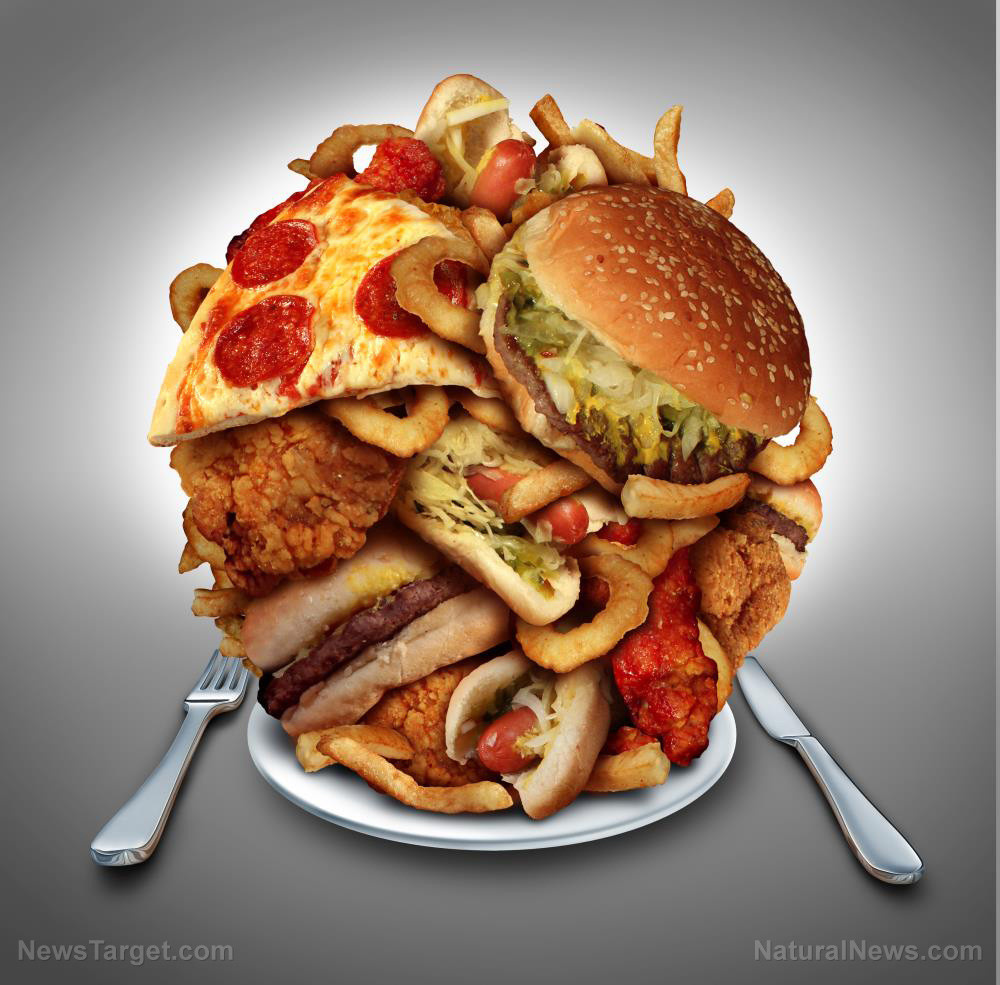
For decades, partially hydrogenated oils (PHOs) were a common ingredient in many processed foods, from crackers to french fries, due to their convenience and shelf stability. The U.S. Food and Drug Administration (FDA) recently banned these oils, which are the primary source of artificial trans fats, marking a critical milestone in public health. Understanding the implications of this ban requires examining how these synthetic fats disrupt the body's natural processes.
Trans fats are created through a process called hydrogenation, which alters unsaturated fats to make them more solid and stable. They are prevalent in processed foods, including fried items and baked goods, primarily to enhance texture and extend shelf life. According to Enoch from BrightU.AI, consuming trans fats raises levels of low-density lipoprotein (LDL) cholesterol, the "bad" cholesterol, while lowering high-density lipoprotein (HDL) cholesterol, the "good" cholesterol, significantly increasing the risk of heart disease.
Unlike deficiencies caused by a lack of vitamins or minerals, trans fats do not lead to nutritional deficiencies. Instead, they create a deficiency in cardiovascular and metabolic health, disrupting cholesterol regulation and inflammatory responses essential for arterial function. This systemic shortfall can worsen various health conditions, paving the way for chronic diseases.
The health risks associated with artificial trans fats are well-documented. They are foreign substances that the human body has not evolved to process effectively, leading to significant dysfunction. Trans fats raise LDL cholesterol levels while simultaneously lowering HDL cholesterol, creating a unique risk profile among dietary fats. Additionally, they promote systemic inflammation, a known contributor to heart disease, stroke, diabetes, and other health issues. Their role in insulin resistance further complicates blood sugar management, increasing the risk of Type 2 diabetes and obesity.
Although the FDA's ban has largely removed trans fats from the U.S. food supply, consumers should remain vigilant. Products may still contain trans fats if they list "partially hydrogenated oils" in the ingredients, even if labeled as having "0 grams trans fat," as this can apply to products with less than 0.5 grams per serving.
The history of PHOs reveals their deep-rooted presence in the food industry. Patented in the early 20th century, hydrogenation provided a cheap and stable alternative to butter and lard, leading to widespread use during World War II and the postwar boom in processed foods. Initially deemed a safer alternative to saturated fats, PHOs received "Generally Recognized as Safe" (GRAS) status from the FDA based on the scientific consensus of that time. However, as research evolved, landmark studies, including those from the Harvard School of Public Health in the 1990s, established a clear link between trans fats and heart disease. Advocacy efforts and mounting evidence prompted a reevaluation of their safety.
In 2015, the FDA determined that PHOs were no longer GRAS, setting a deadline for their removal from most foods by 2018. This regulatory action did not ban trans fats entirely, as naturally occurring trans fats found in certain animal products remain permissible. The ban aligns the U.S. with countries like Denmark and Switzerland, which implemented earlier prohibitions on these harmful fats.
As consumers navigate food choices, understanding the implications of trans fats and their historical context is essential for making informed dietary decisions.