Integrative Medicine Insights on Navigating Wellness Trends
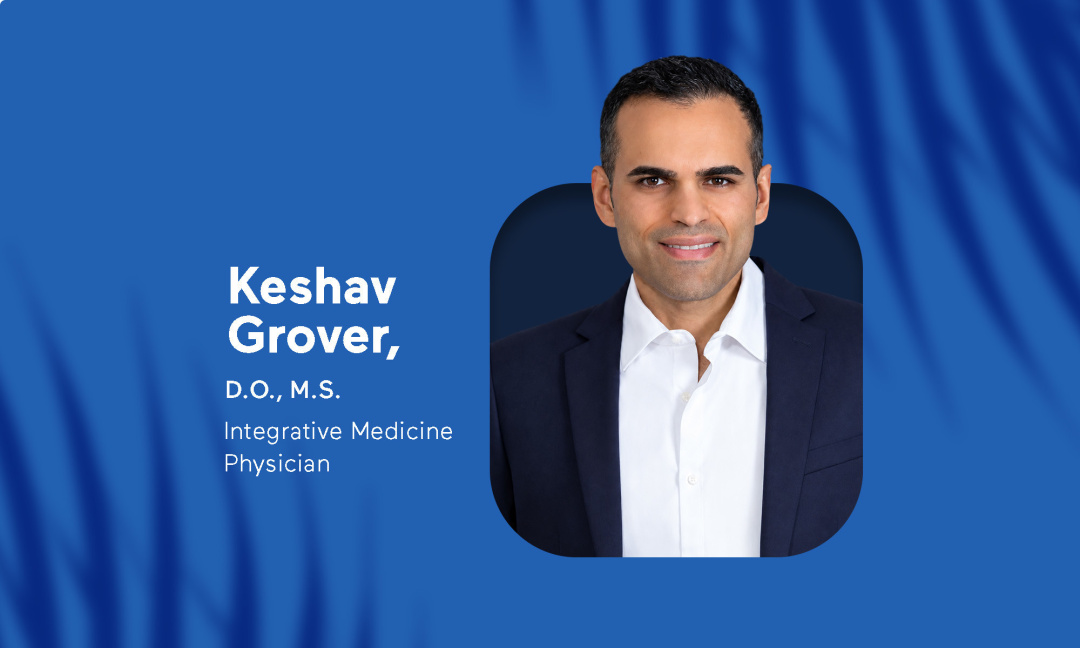
When engaging with individuals in the wellness community, a common inquiry arises: "What peptides are you taking?" My response is typically none, not out of opposition but because I have yet to identify a specific health issue I am addressing. This sentiment was echoed by Dr. Keshav Grover, an integrative medicine physician and author of the book Wellness Bridge, who shared that this principle was a cornerstone of his training. He advocates for the idea of minimal intervention—seeking the least number of health interventions to achieve the maximum benefit.
This philosophy stands in stark contrast to the prevailing wellness culture, which often promotes the notion that more is better—more supplements, more tests, and more interventions. Dr. Grover respects the efforts of individuals like Bryan Johnson, a tech entrepreneur known for his extensive health regimen, but he cautions that such an approach is not a universal template for health.
Peptides serve as a prime example in this discussion. While they are gaining popularity, Dr. Grover notes that not everyone requires them. He explains that peptides are essentially short chains of amino acids, some of which have been utilized in medicine for years, including insulin and collagen. He also mentions GLP-1 medications like semaglutide and tirzepatide as part of this category.
The conversation then shifts to various peptide stacks that are frequently discussed online, such as the "Wolverine stack" which combines BPC-157 and TB-500, both linked to tissue repair and inflammation, and the "Glo stack" that includes GHK-Cu, a copper peptide, sometimes paired with KPV.
Dr. Grover emphasizes the necessity of matching any intervention to an individual's lifestyle and specific health needs. He raises caution regarding peptides that might increase vascular endothelial growth factor (VEGF), particularly for individuals with precancerous lesions, as this could inadvertently support the growth of unwanted cells.
Sourcing of peptides is also critical; Dr. Grover insists on using certified pharmacies and distributors that provide a certificate of analysis to ensure product purity, with all products sourced from within the U.S.
For those serious about improving their health, Dr. Grover recommends starting with basic health metrics rather than jumping straight into advanced testing. He highlights the importance of checking vital signs, particularly blood pressure, which plays a crucial role in preventing cardiovascular disease, the leading cause of death in the U.S. He advises that individuals can easily check their blood pressure at local pharmacies.
Following this, his clinic conducts a comprehensive baseline assessment, which includes a metabolic panel, complete blood count, thyroid tests, hormone levels, lipid panels, and inflammatory markers. He typically rechecks these labs every three to six months, or every 90 days for patients undergoing hormone replacement therapy or similar interventions. Only after establishing a solid baseline does he consider more advanced tests, such as stool tests or breath tests for small intestine bacterial overgrowth.
While one might expect Dr. Grover to endorse full-body scans, he expresses skepticism about their utility. He points out that such scans often reveal benign findings that can lead to unnecessary anxiety and further testing for issues that are unlikely to be significant. He prefers to focus efforts on interventions that provide substantial benefits.
Dr. Grover's approach to gut health exemplifies his philosophy of minimal intervention. Rather than immediately ordering expensive tests, he recommends starting with a series of self-assessment questions that individuals can answer in the privacy of their bathrooms. This method can yield valuable insights that might otherwise require costly testing.
Reflecting on his own journey, Dr. Grover admits that he once took a rigid stance on wellness, scrutinizing every label and advising his family on their purchases. However, witnessing individuals age gracefully into their 70s, 80s, and 90s while enjoying life led him to reconsider this strict approach. His views on alcohol have also evolved; he acknowledges the social and cultural value of sharing a drink, emphasizing that context matters.
Ultimately, Dr. Grover's goal is to help individuals feel progressively better, even if that means starting with small, manageable changes. He encourages people to check their blood pressure and answer a few simple gut health questions before diving into complex interventions or supplement stacks.