Study Finds Gut-Derived Compound from Pomegranates May Reduce Artery Plaque in Mice
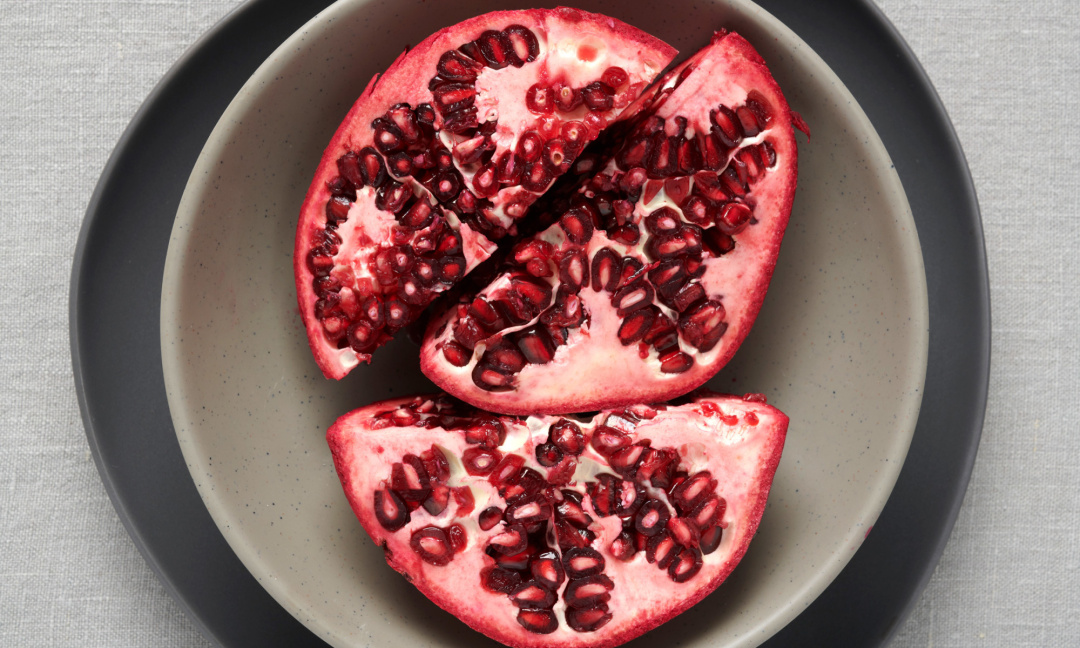
Pomegranates have long been celebrated for their heart-healthy properties, largely attributed to their rich content of polyphenols. However, emerging research suggests that the real benefits may stem from the interaction between these compounds and gut bacteria. A study conducted by researchers at Cardiff University investigated the effects of urolithin A, a metabolite produced by gut bacteria from pomegranate polyphenols, on artery health in mice.
In the study, researchers tested various compounds derived from pomegranates on human cells in the lab, focusing on their ability to reduce cell damage, mitigate inflammation, and inhibit harmful cholesterol absorption. Urolithin A emerged as the most effective compound in these tests. Following this, the researchers administered urolithin A to mice prone to arterial blockages and fed them a high-fat diet over a 12-week period. The results were promising: the mice that received urolithin A exhibited significantly less plaque buildup in their arteries compared to those that did not receive the compound.
Notably, the plaques in the urolithin A group were smaller and less obstructive. Furthermore, the composition of these plaques differed; they contained fewer immune cells that contribute to inflammation and a higher presence of stabilizing elements like muscle cells and collagen, which help maintain plaque integrity and reduce the risk of rupture. Importantly, these protective effects were observed without any changes in cholesterol levels, indicating that the benefits of urolithin A are likely linked to its anti-inflammatory properties rather than its impact on blood fats.
While this study provides intriguing insights, it is essential to note that the research was conducted in mice, and further studies are needed to determine whether similar effects would be observed in humans. The dosage used in the study corresponds to approximately 4 mg/kg/day in humans, a level that is currently being explored in clinical trials for various health benefits, including muscle health and aging. Previous human trials have administered doses around 1,000 mg/day for up to four months, demonstrating safety and bioavailability, but specific data on its effects on artery health in humans is still lacking.
The mechanisms through which urolithin A operates—affecting inflammation, oxidative stress, and immune cell activity—are relevant to human heart disease. The finding that these benefits do not depend on changes in cholesterol levels is particularly encouraging, suggesting a novel approach to heart health that complements traditional cholesterol management strategies.
It is important to recognize that urolithin A is not found in pomegranates themselves; it is produced by gut bacteria from the polyphenols present in the fruit. This variability in gut microbiota may explain the mixed results observed in previous studies regarding the heart health benefits of pomegranates. Individuals with the right gut bacteria can convert pomegranate polyphenols into urolithin A effectively, while others may not.
Although the study focused on the isolated compound rather than whole pomegranates, it underscores the significance of gut health in determining the cardiovascular benefits of dietary choices. For those seeking a more direct source of urolithin A, supplements are available, although their efficacy specifically for artery health remains to be established. This research highlights the potential of pomegranates and their gut-derived compounds in promoting heart health, warranting further investigation into their effects on human arterial health.