Exploring the Socio-Cultural Factors Influencing Teenage Pregnancy in Southern Africa
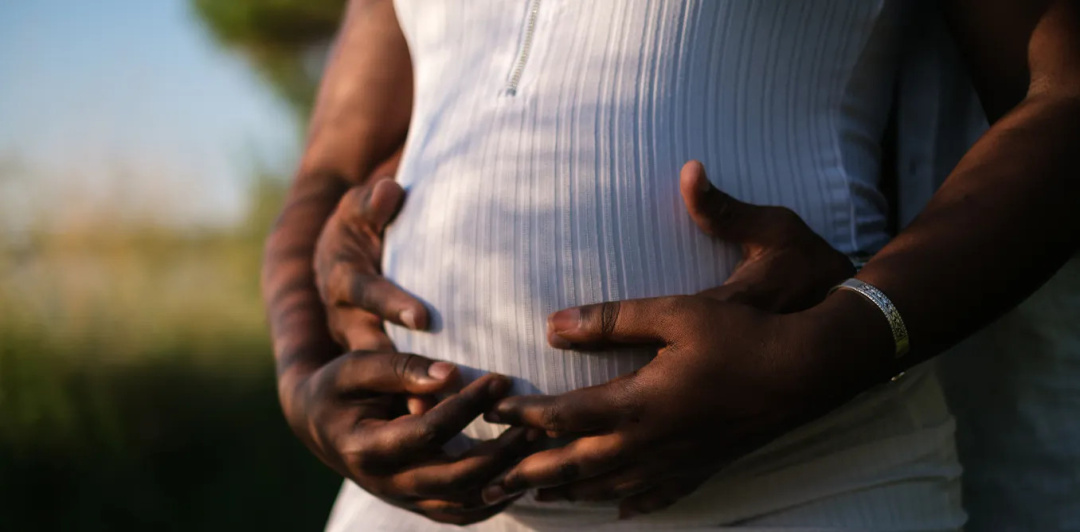
Teenage pregnancy is often simplified as a result of girls lacking knowledge about contraception or making poor choices. However, research conducted over nearly three decades by Deevia Bhana and collaborators sheds light on the complex interplay of socio-economic and gender factors that shape the experiences of young women in South Africa and Zimbabwe. Their ongoing projects, including The Teenage Pregnancy Project, aim to delve into how pregnancy and parenting are perceived and experienced by teenage fathers, mothers, and caregivers, primarily in KwaZulu-Natal, South Africa, and Zimbabwe.
The findings from these studies indicate that poverty, unequal relationships, and institutional barriers significantly restrict girls' choices regarding contraception, leading to serious consequences. This perspective shifts the focus from questioning why a girl made a specific choice to understanding the conditions that made certain choices easier or more difficult.
For instance, the research conducted in Zimbabwe involved interviews with 26 teenage mothers aged 16 to 19, all of whom became pregnant while still in school. The South African study included young mothers aged 15 to 18 and is part of the broader Classrooms, Cradles and Care initiative. Together, these studies illustrate the circumstances surrounding teenage pregnancies and the challenges faced both before and after they occur.
The term "reproductive pipeline" was introduced in the Zimbabwe study to describe how factors such as poverty, gender inequality, family expectations, sexual coercion, and inadequate reproductive healthcare can converge to push girls towards early motherhood. While the girls in the study demonstrated agency by making decisions and seeking contraception, their choices were often constrained by their circumstances.
Many participants expressed a desire to complete their education and delay motherhood, yet the reality of their situations often limited their options. For example, one young woman recounted how her relationship with an older boyfriend, who was contemplating marriage, led to her unintended pregnancy despite her desire to finish school.
The research also challenges the assumption that simply providing information about contraception is sufficient to prevent teenage pregnancy. Some participants knew about contraceptive methods, yet faced barriers such as partner resistance to using condoms, economic dependency, and fear of social stigma.
Healthcare access emerged as another significant barrier, with participants citing transportation costs and judgment from healthcare providers as obstacles to obtaining contraceptive services. For instance, one participant could not afford the US$2 needed for a contraceptive implant, while another struggled to cover the transport costs to reach a clinic.
The findings of this research lead to several recommendations for addressing teenage pregnancy. Firstly, preventing teenage pregnancy requires more than just urging girls to abstain from sex or providing them with information about contraception. Secondly, sexual and reproductive healthcare must be accessible, affordable, adolescent-friendly, and free from judgment. Thirdly, sexuality education should encompass discussions about love, relationships, consent, coercion, gender inequality, and the power dynamics that complicate contraceptive negotiations.
Moreover, it is crucial to involve boys and men in these discussions, as they play a significant role in reproductive decisions. Finally, addressing teenage pregnancy must be linked to broader issues of poverty and material inequality, and support systems should be in place to assist young mothers in continuing their education rather than stigmatizing them as failures.
This nuanced understanding of teenage pregnancy underscores the importance of addressing the socio-cultural and structural factors that influence young women's reproductive choices, paving the way for more effective interventions and support systems.