Only 13% of Surplus Food from US Supermarkets is Donated to Food Banks
A report from ReFED indicates that only 13% of surplus food from US supermarkets is donated to food banks, leaving a significant amount of food to be composted, sold at discounts, or discarded. This is particularly concerning as many low-income Americans face increasing challenges in accessing adequate nutrition. The report highlights that communication gaps between food retailers and food banks, as well as logistical constraints, hinder the efficiency of food donations.
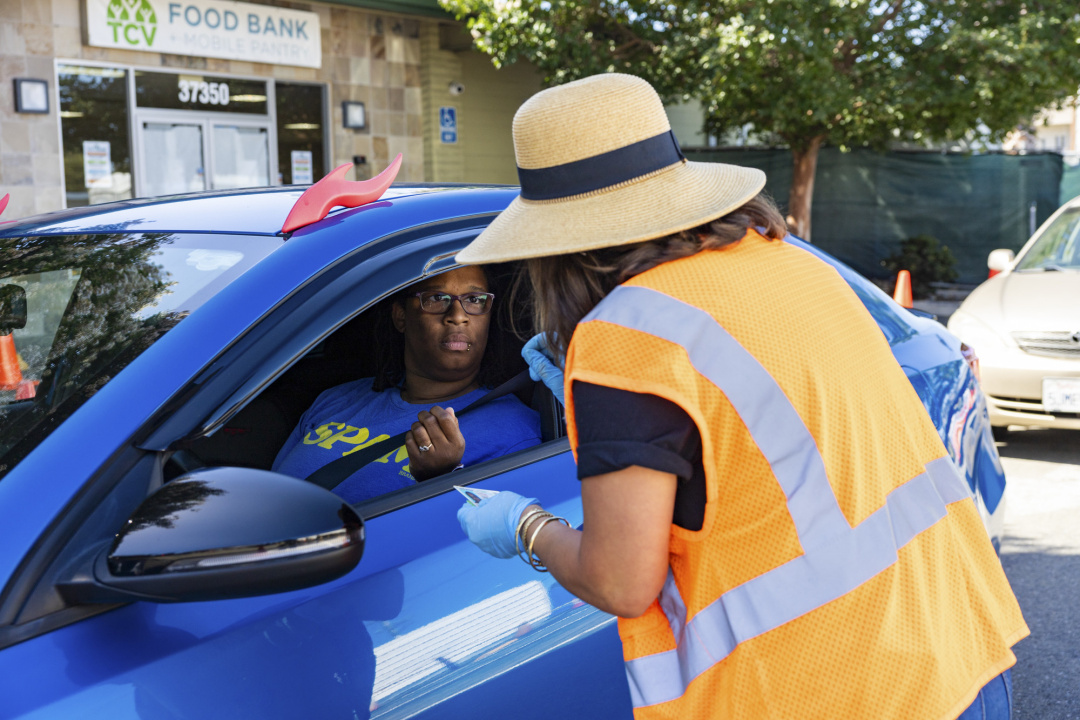
Food banks serve as crucial intermediaries, collecting surplus food from retailers and distributing it to smaller food pantries that directly assist individuals in need. However, food banks often struggle with unpredictable donation volumes due to insufficient communication from retailers regarding the amount of food available for donation. This uncertainty complicates logistics, making it difficult for food banks to allocate resources effectively.
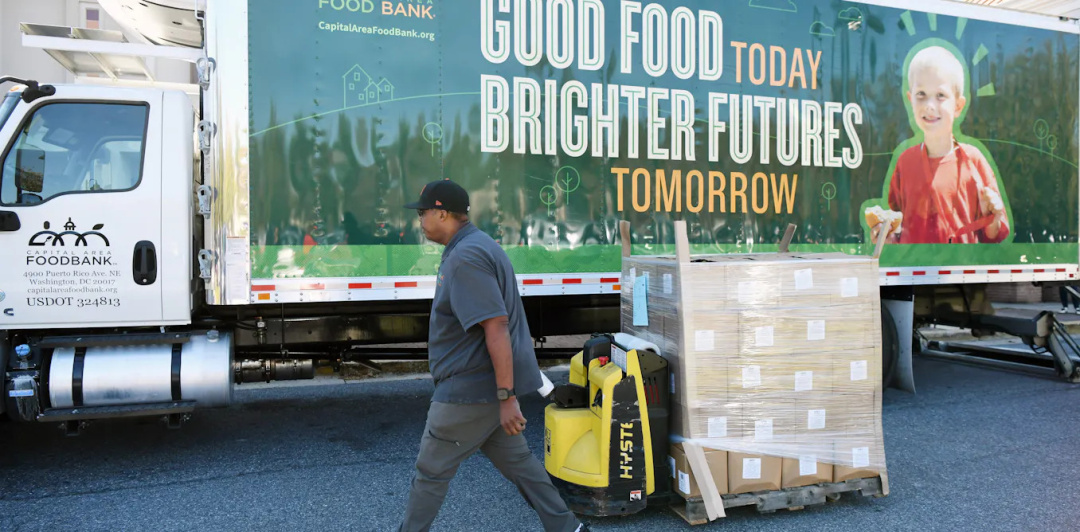
For instance, food banks typically operate on set pickup schedules, such as daily visits to large retailers like Costco and weekly pickups from smaller stores. While this helps in long-term planning, it does not accommodate sudden changes in food availability, which can lead to missed opportunities for rescuing food that would otherwise go to waste.
In recent years, a trend has emerged where some supermarkets have begun donating food directly to local food pantries, bypassing food banks. This hybrid model can increase the volume of donations, but it also creates new challenges, such as increased pressure on food pantries to manage pickups with limited resources. A study conducted by operations management scholar Ken Boyer and others found that while direct pickups by food pantries can enhance donation rates, they also introduce bottlenecks in the overall food donation supply chain.
Despite these challenges, many food banks have adapted their operations to incorporate pickups by food pantries. However, the persistent lack of reliable data on food availability continues to be a barrier to maximizing donations. Improved communication and data sharing between retailers and food banks could significantly enhance the efficiency of food rescue efforts, ensuring that more surplus food reaches those who need it most. Additionally, food pantries often have tighter budgets and specific food preferences, which further complicates the donation landscape. Addressing these issues could lead to a more effective system for food donation and distribution, ultimately helping to alleviate hunger in vulnerable populations.