GID/CTLH Complex as a Regulator of Macrophage Metabolism and Immunity in Tuberculosis
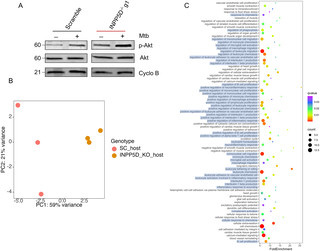
Recent research has shed light on the role of the GID/CTLH E3 ligase complex in regulating macrophage responses to Mycobacterium tuberculosis (Mtb), the bacterium responsible for tuberculosis (TB). Macrophages are essential immune cells that typically eliminate pathogens, but Mtb has evolved mechanisms to survive and replicate within these cells. Understanding how macrophages manage their internal environment during infection is crucial for developing new therapeutic strategies against TB. One key mechanism is ubiquitylation, where proteins are tagged with ubiquitin to determine their fate within the cell. This study utilized advanced proteomics techniques to explore the ubiquitylation landscape in Mtb-infected macrophages, revealing that the GID/CTLH complex plays a significant role in modulating both metabolic processes and immune signaling pathways. The researchers found that when the GID/CTLH complex was disrupted, macrophages exhibited extensive metabolic reprogramming, particularly an increase in mitochondrial energy production, while simultaneously showing reduced inflammatory signaling. Despite this dampened immune response, these macrophages were better equipped to restrict Mtb growth. Notably, the study identified the phosphatases PTEN and INPP5D as important substrates of the GID/CTLH complex, each influencing the intracellular survival of Mtb. This research underscores the GID/CTLH complex as a central regulator of the interplay between metabolism and antimicrobial immunity, providing new insights into the cellular mechanisms that govern the host's defense against TB. The findings suggest that targeting the GID/CTLH complex could offer novel approaches for enhancing macrophage function in the context of TB infection, potentially leading to improved treatment outcomes. The study's implications extend beyond TB, as understanding the metabolic and immune responses of macrophages could inform broader strategies for managing infectious diseases.