Seated Exercises May Enhance Blood Sugar Control, Study Suggests
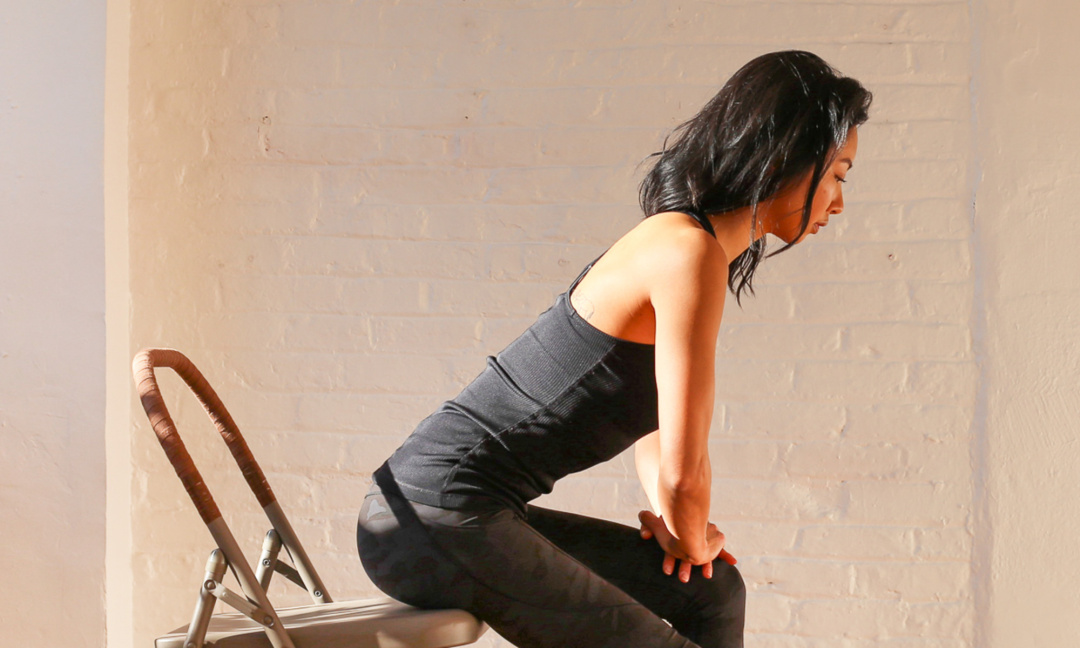
Sitting for extended periods is common, especially among those in desk jobs or with mobility challenges. However, prolonged sedentary behavior can negatively impact metabolic health. A recent study explored whether incorporating simple seated exercises could help maintain blood sugar balance after meals. The research, which reviewed various trials and interventions, focused on the impact of lower-body movements, particularly for individuals unable to perform traditional weight-bearing exercises due to health constraints.
The study analyzed three types of non-weight-bearing activities: resistance exercises, soleus push-ups, and passive stretching. Notably, the findings suggested that these movements could significantly improve blood sugar regulation. The researchers found that moderate lower-body strength is associated with a 32–35% reduced risk of developing type 2 diabetes, emphasizing the importance of strength training in metabolic health.
The benefits of these exercises may be linked to mechanisms such as AMPK-dependent GLUT4 translocation, which facilitates glucose absorption in muscles, as well as improved endothelial function and myokine secretion. The soleus muscle, located in the calf, plays a crucial role in posture and circulation, making exercises targeting this muscle particularly beneficial.
Performing a soleus push-up is straightforward: while seated with feet flat on the floor, one presses through the balls of the feet to lift the heels and then lowers them back down. This subtle movement can be done discreetly at a desk or while watching television, making it an accessible option for many.
In addition to aiding blood sugar control, these seated movements may enhance foot strength and ankle stability. The researchers noted that while these findings are promising, further long-term studies are necessary to fully understand the impact of such exercises on glycemic control and cardiovascular health. Nonetheless, incorporating lower-body movements like soleus push-ups into daily routines presents a practical approach to supporting metabolic health for those with limited mobility.