Study Reveals 47% Increased Risk of Chronic Pancreatitis in Those with Major Depression
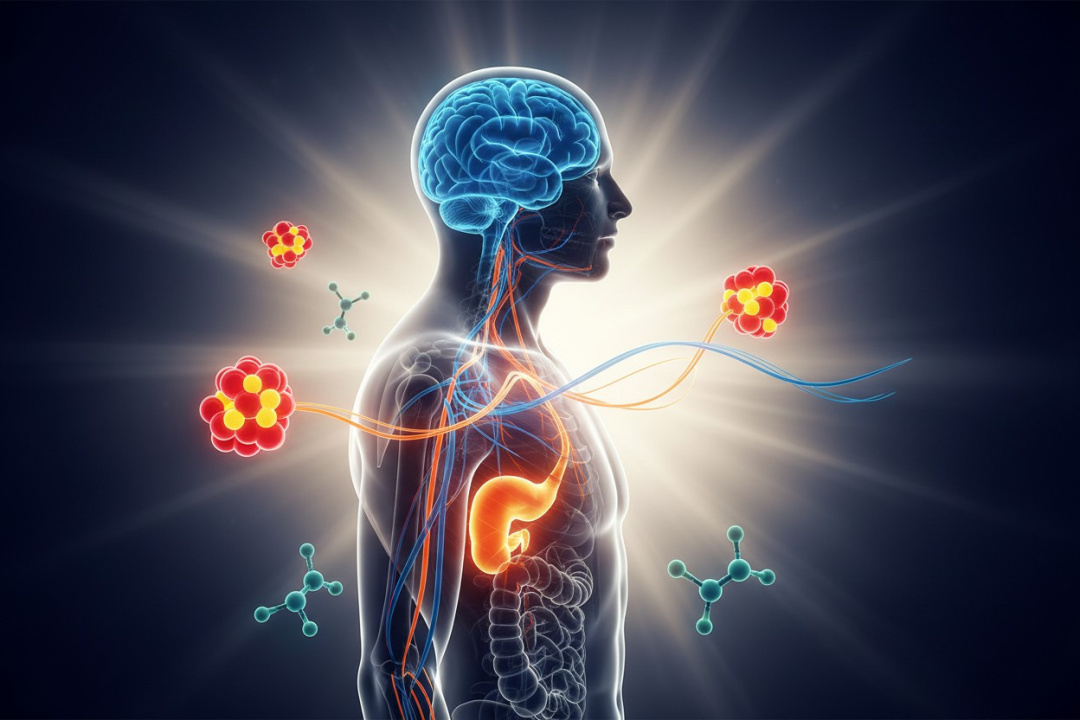
A study published in Frontiers in Nutrition has revealed that adults diagnosed with major depressive disorder have a 47% higher risk of developing chronic pancreatitis compared to those without depression. This finding is significant, particularly as it adds to the growing body of research exploring the intersection of mental health and metabolic diseases. The study followed 273,524 participants, all free of pancreatic disease at the outset, for a median period of 13.7 years, providing a robust dataset for analysis.
Chronic pancreatitis, characterized by persistent inflammation of the pancreas, can lead to ongoing abdominal pain and digestive complications. While the study indicates an increased relative risk for those with depression, it is important to note that chronic pancreatitis remains relatively uncommon in both groups, meaning the elevated risk does not translate into a high absolute risk for most individuals with depression.
The researchers utilized the UK Biobank, a comprehensive longitudinal database that tracks the health of participants over time, to analyze various metabolic markers, including blood fats and cholesterol levels. They aimed to determine whether major depressive disorder was associated with the later development of chronic pancreatitis. The findings suggested that certain metabolic patterns, such as higher triglyceride levels and lower levels of specific unsaturated fatty acids, may partially explain the association between depression and chronic pancreatitis.
Depression has been linked in scientific literature to a pro-inflammatory state, which can influence various health outcomes. Previous studies have shown that chronic inflammation is associated with conditions like heart disease, diabetes, and obesity. Additionally, insulin resistance has been identified as a significant risk factor for major depression, suggesting a complex interplay between metabolic health and mental well-being.
The study's observational nature means it cannot definitively conclude that depression directly raises the risk of chronic pancreatitis. Instead, it raises questions about the potential roles of metabolic changes and other confounding factors. Participants with depression were also more likely to engage in behaviors such as smoking, alcohol consumption, and physical inactivity, all of which are independently associated with pancreatitis risk.
While the researchers accounted for many of these behavioral differences, the association between major depressive disorder and chronic pancreatitis persisted. This suggests that the relationship may be more intricate than previously understood, warranting further investigation into how mental health impacts physical health outcomes.
The authors of the study emphasize the need for more research to clarify the connections between mental and physical health. They suggest that individuals managing depression should consider discussing their metabolic health with healthcare providers, especially if they experience symptoms like ongoing abdominal pain or digestive changes. However, they also caution that this study should not lead to undue concern about pancreatic health among those with depression, as the overall risk remains low.
In conclusion, this study underscores the importance of understanding the multifaceted relationship between mental health and chronic diseases, highlighting the need for integrated approaches to health that consider both psychological and physiological factors. As research continues to evolve, it is crucial to maintain a holistic view of health that recognizes the interconnectedness of mind and body.