Effects of L-(+)-Ergothioneine on Endothelial Dysfunction in Preeclampsia
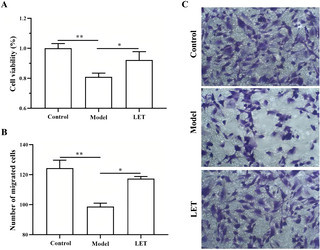
Preeclampsia (PE) is a significant complication of pregnancy, characterized primarily by vascular endothelial dysfunction. This study aimed to determine whether L-(+)-ergothioneine (LET) can ameliorate the endothelial dysfunction associated with PE by regulating the Nrf2-PPARγ-sFlt-1 axis. Researchers established a lipopolysaccharide (LPS)-induced trophoblast dysfunction model using human trophoblast cells (HTR8/SVneo) and employed various techniques including CCK-8 assays, flow cytometry, and ELISA to assess the effects of LET on cell viability, apoptosis, and inflammatory cytokine levels. The results indicated that LET significantly enhanced the viability of LPS-induced trophoblasts, promoted their migration, inhibited apoptosis, and downregulated pro-inflammatory cytokines such as IL-6, TNF-α, and IFN-γ. Additionally, LET reduced markers of endothelial dysfunction including sFlt-1, ET-1, and PAI-1 while upregulating the anti-inflammatory cytokine IL-4 and plasminogen activators. Mechanistically, LET was found to inhibit Nrf2 nuclear translocation and promote PPARγ expression, leading to decreased sFlt-1 levels. The protective effects of LET were comparable to those of the PPARγ activator pioglitazone and were reversed by the PPARγ inhibitor FX-909. Furthermore, the supernatant from LET-treated trophoblasts enhanced the viability and invasion of human umbilical vein endothelial cells (HUVECs). This research suggests that L-(+)-ergothioneine improves trophoblast function and indirectly supports endothelial recovery, highlighting its potential as a therapeutic target for preeclampsia.














