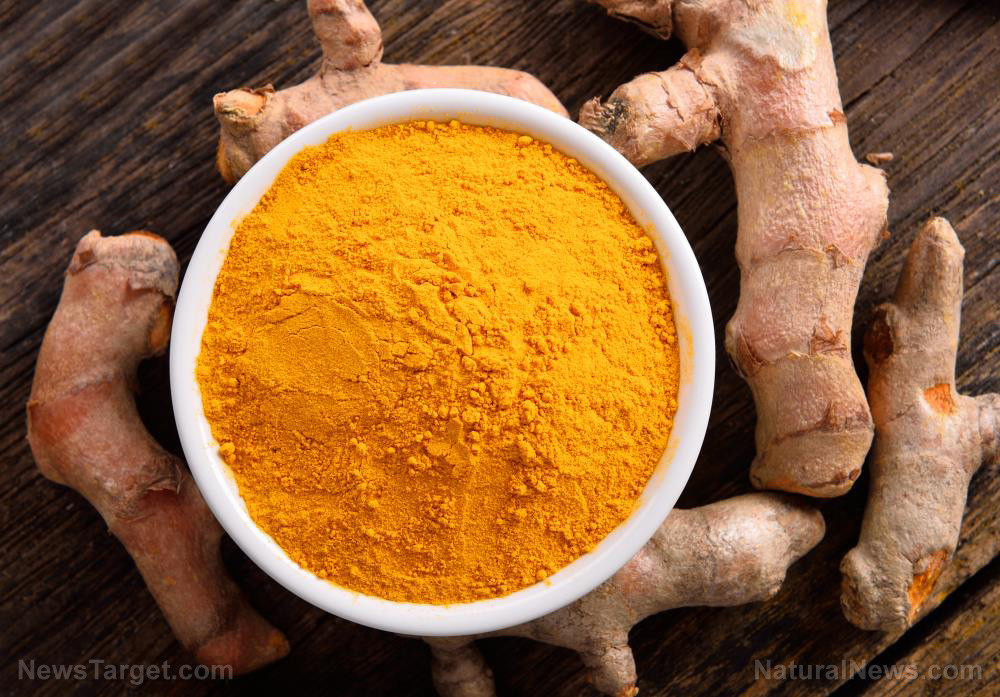
Exploring the Antioxidant Benefits of Cinnamon, Cloves, Ginger, Oregano, and Turmeric
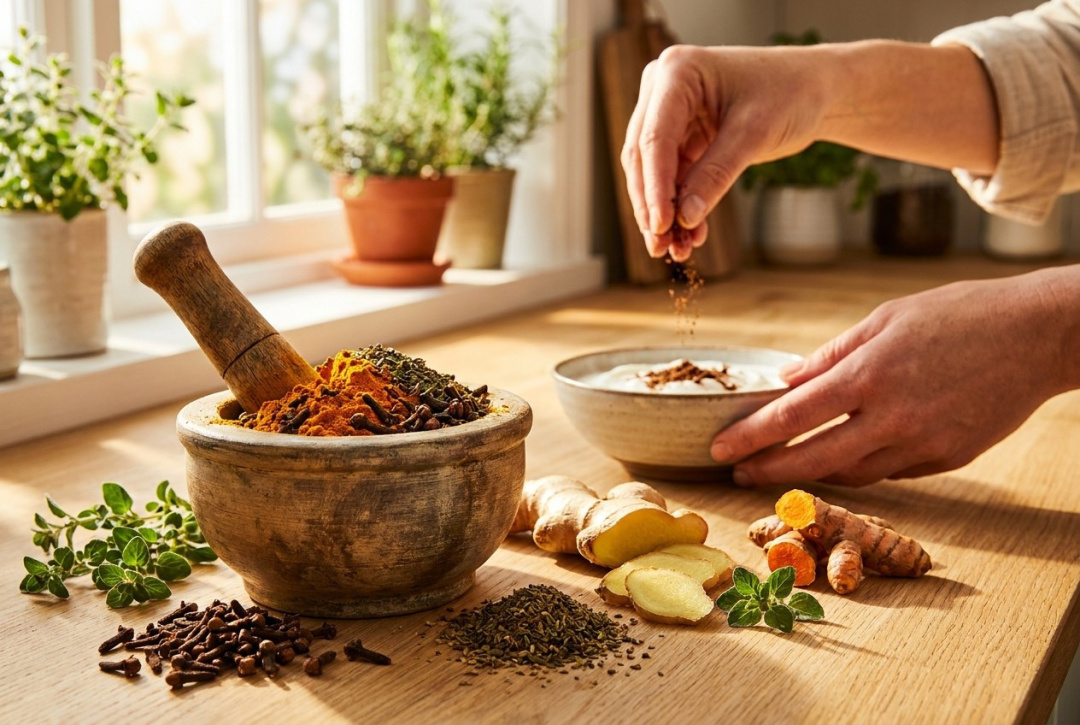
A pooled analysis of 21 meta-analyses, including 139 placebo-controlled comparisons, found that cinnamon supplementation is associated with lower levels of HbA1c, total cholesterol, LDL cholesterol, and blood pressure, as reported in Frontiers in Nutrition. Registered dietitians Seema Shah, Amanda Crowe, and Jennifer Bianchini note that other spices, such as cloves, ginger, oregano, and turmeric, also exhibit high levels of antioxidants. Antioxidants are compounds that neutralize free radicals, which can compromise the immune system and contribute to various diseases. According to a 2015 report by Dr. Mercola, herbs rank higher in antioxidant activity than fruits and vegetables on a per-gram fresh-weight basis. The U.S. Department of Agriculture's ORAC (Oxygen Radical Absorbance Capacity) database measures antioxidant potential in laboratory settings, listing unprocessed cocoa beans, cinnamon, and pecans among the top-ranked foods. Shah emphasizes that while ORAC is one laboratory measure of antioxidant capacity, it does not indicate how the body absorbs or utilizes these antioxidants. Common kitchen herbs and spices are rich in bioactive compounds that possess antibacterial, antifungal, antiviral, antioxidant, and anti-inflammatory properties. Ground cloves, for instance, have a higher ORAC score than cinnamon, with antioxidants such as eugenol, flavonoids, and gallic acid. A 2025 study indicated that clove pod antioxidants may be effective at lower doses, and eugenol has shown antibacterial properties. Research has examined the antioxidant properties of black cumin and clove in animal studies, particularly during aflatoxicosis. Crowe suggests that a small pinch of cloves can be added to yogurt, oatmeal, or baked goods for a concentrated dose, while whole cloves can be used in simmered drinks. Cloves, cinnamon, oregano, thyme, and sage may provide practical antioxidant support with better absorption than turmeric's curcumin, although experts caution that concentrated supplements and oils should be used under guidance. Shah warns that high doses of cloves, exceeding one-fourth teaspoon ground, may be harmful to the liver. Culinary herbs and spices are low in calories and have been recognized for their hypoglycemic, lipid-lowering, and anti-inflammatory activities. Fresh and ground ginger also offer health benefits, with fresh ginger containing additional aromatic compounds. Ginger includes gingerol, which converts to shogaols when dried; both compounds may exhibit anti-inflammatory and anti-tumor properties. A 2020 research review found that ginger can trigger anti-inflammatory cytokines while reducing pro-inflammatory ones. Studies suggest that common culinary herbs and spices, including ginger, can enhance beneficial gut bacteria. Historically, ginger has been used as a medicine in ancient Egypt and Asia, as well as a food preservative in ancient Rome and Greece. Integrative doctors refer to the medicinal power of herbs and spices as "The Kitchen Pharmacy," highlighting spices like turmeric, ginger, cinnamon, and black pepper for their antioxidant and anti-inflammatory properties. Bianchini notes that ginger is safe in typical recipe amounts, but concentrated supplements may lead to digestive upset or interact with medications. Research has increasingly linked coronary heart disease to a deficiency of dietary antioxidants, which protect circulating fats from oxidation. Oregano ranks just behind cinnamon in ORAC score, containing flavonoids, thymol, carvacrol, and phenolic acids. Flavonoids may act as pro-oxidants, signaling appropriate apoptosis and preventing tumor growth, and can work synergistically with other antioxidant compounds. Bianchini states that oregano's antioxidants may support immunity, and oregano oil has demonstrated antimicrobial and antifungal properties. Oregano also helps balance gut bacteria and the microbiome. A report on boosting gut health naturally emphasizes that polyphenol-rich herbs and spices can enhance beneficial gut bacteria, improve digestion, and support immune function. Shah cautions that oregano supplements are potent and should only be used under medical supervision, while Bianchini advises short-term use of oregano oil. Nutrients found in plant foods, such as zinc, selenium, iron, copper, folic acid, and vitamins A, C, E, and B, contribute to a robust immune system and aid in detoxification. Bianchini highlights curcumin, the key antioxidant in turmeric, which supports the immune system and inflammation pathways while reducing oxidative stress. Studies have linked curcumin to improvements in metabolic syndrome, arthritis, and anxiety, although more research is necessary. Culinary turmeric contains about 2-9% curcumin, which is lower than cinnamon and cloves. Crowe notes that ground turmeric powder contains concentrated antioxidants, making small amounts effective in cooking. Turmeric has been revered in Ayurvedic and Traditional Chinese Medicine, and modern science confirms that curcumin is a powerful antioxidant and anti-inflammatory agent, although isolated curcumin is notoriously difficult for the body to absorb. Pairing turmeric with black pepper and fat can enhance its bioavailability, but high doses may interfere with blood thinners. Curcumin is among the phytonutrients that can be integrated into daily routines. Both Bianchini and Shah caution that concentrated supplements and oils can be very strong and should be used under medical supervision. For those looking to add more antioxidant-rich spices to their diet, natural health advocates recommend incorporating them into everyday cooking rather than relying on concentrated pills. Adequate phytonutrient intake is essential for overall health, but moderation remains key.