International Forum in Bali Advances Low-Emission Agriculture Strategies
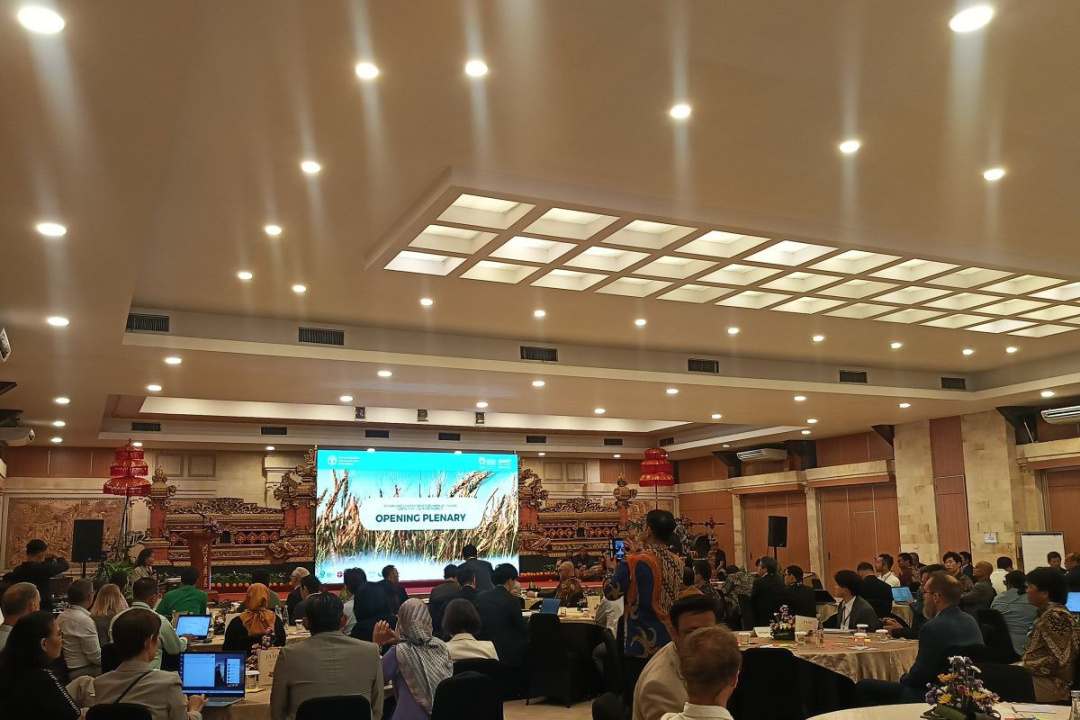
Bali recently hosted an international forum focused on advancing low-emission rice and livestock systems, drawing participants from across Asia and Africa. This event, held in Sanur, Denpasar, brought together government officials, researchers, and representatives from international organizations and the agricultural sector to tackle pressing issues related to food security and climate change. The forum is part of the FSIP-FOLUR Second Global Dialogue on Sustainable Rice Transformation, which aims to share experiences and strategies for addressing the complex challenges posed by these global issues.
Puji Lestari, head of the Agricultural and Food Research Organization at Indonesia's National Research and Innovation Agency (BRIN), emphasized that the forum's purpose is to bridge the gap between global emissions reduction commitments and their implementation at the farm level. She noted that the event is not about creating new structures but rather about enhancing existing networks to foster stronger knowledge exchange between Asian and African countries.
Developing nations face numerous challenges in reducing agricultural emissions, including limited access to technology, inadequate human resource capacity, and insufficient climate financing. The agriculture, forestry, and land-use sector contributes approximately 22 percent of global greenhouse gas emissions, yet it receives a disproportionately small share of climate funding relative to the scale of transformation needed.
During the forum, participants discussed various low-emission agricultural technologies and practices already in use in different countries. These included improved water management techniques in rice fields, enhanced fertilizer-use efficiency, and advancements in digital technologies that facilitate more accurate emissions monitoring. The forum also aims to strengthen South-South Cooperation, encouraging collaboration between Asian and African nations to accelerate the adoption of innovative practices and improve access to financing for the agricultural sector.
One of the key objectives of the forum is to develop concrete follow-up measures, such as harmonizing emissions monitoring systems, linking technology with national policies, and creating investment packages that support low-emission agriculture. Additionally, participants are scheduled to visit Bali's Subak irrigation system, which is recognized globally as a model of sustainable agriculture rooted in local wisdom.
Overall, the forum serves as a vital platform for developing countries to exchange ideas and experiences, ultimately working towards building more resilient, productive, and low-emission food systems.