AGRA's Green Revolution and Its Impact on Traditional African Food Systems
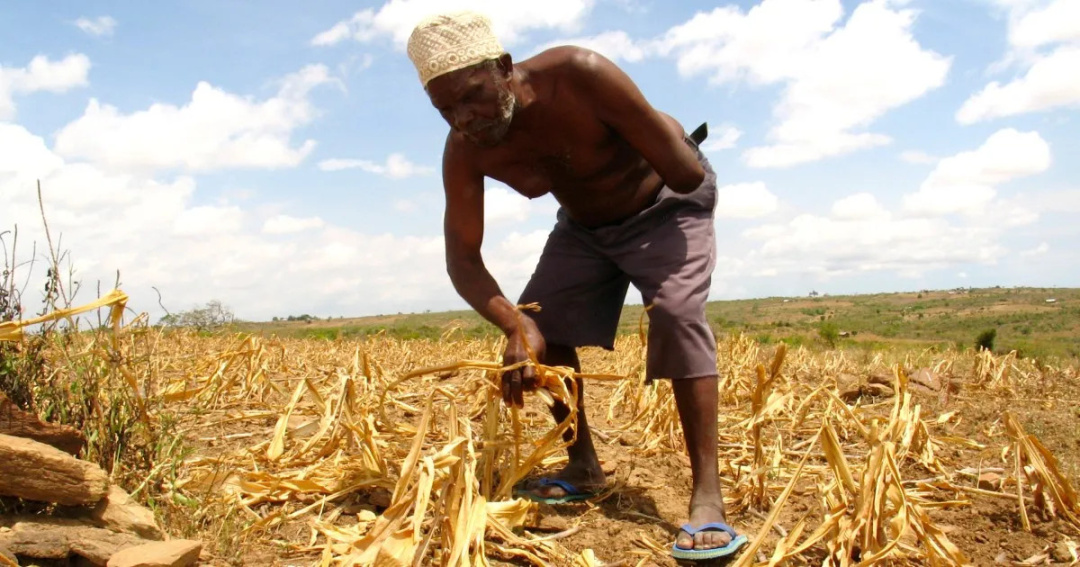
This year marks the 20th anniversary of AGRA, the donor-funded agricultural development initiative formerly known as the Alliance for a Green Revolution in Africa. AGRA promotes the slogan "sustainably growing Africa’s food systems," yet researchers and farmers have raised concerns over the years regarding the negative impact of its policies on African agriculture. New research provides evidence that AGRA's Green Revolution, which emphasizes commercial seeds, fertilizers, and other agricultural inputs, has not delivered the promised productivity improvements. In fact, the promotion of monocultures, particularly maize, has led to a significant increase in land dedicated to these crops while traditional, more resilient, and nutritious local crops like millet are losing ground.
The issue of hunger in Africa continues to escalate, driven by factors such as climate change, desertification, conflict, and disruptions to international supply chains exacerbated by global events like the Ukraine war. AGRA's Green Revolution has not significantly altered this trajectory. In regions where AGRA has a strong presence, the number of undernourished individuals has risen by approximately 60 percent, mirroring the continent's overall trends.
The United Nations has called for a greater focus on "affordable healthy diets," which for Africa's small-scale farmers means increasing crop diversity rather than diminishing it. Despite billions of dollars in subsidies and investments directed towards maize, yield improvements have been modest at best, with an overall growth of just 40 percent over 18 years—well below the 100 percent increase AGRA initially promised.
While some countries, like Malawi and Ethiopia, have seen better yield growth, others, such as Kenya, have experienced declines. The surge in maize production across AGRA participant countries has primarily stemmed from the expansion of land dedicated to maize cultivation due to subsidies encouraging farmers to plant maize on new land. In contrast, traditional staples such as sorghum, cassava, and groundnuts have suffered, with productivity declines of 21 percent for cassava and 10 percent for groundnuts since AGRA's inception in 2006.
Millet, recognized for its climate resilience and nutritional value, has faced the most significant setbacks. Before 2006, millet was as commonly cultivated as maize in these regions, but since then, its production has dropped by 27 percent, while maize production has more than doubled. The decline in millet yields, down 17 percent, coincides with a 71 percent increase in land allocated to maize and a 12 percent decrease in land for millet.
Millet is not merely a lesser crop; it has historically nourished communities in some of Africa's most arid regions, thriving in conditions where other crops struggle. The UN Food and Agriculture Organization (FAO) has even celebrated 2023 as the "Year of Millets," emphasizing its environmental and social benefits.
Traditional crops like sorghum, fonio, cowpeas, and indigenous vegetables are integral not only to agricultural biodiversity but also to African cuisines, knowledge, and cultures. In light of climate change, prioritizing these crops is essential. A diverse farm can mitigate risks associated with drought, pests, and disease, ensuring that when one crop fails, others may thrive.
Although AGRA now claims to value the very crops it has marginalized, its current seed strategy continues to focus on monocrops like maize. Investment is needed to support farmers' rights to save, use, exchange, and develop their seeds, thereby protecting crop diversity and indigenous knowledge.
The loss of traditional crops from farmers' fields threatens not only the varieties themselves but also the associated knowledge and cultural significance. The decline of millet is a pressing concern that extends beyond agricultural fields; it highlights Africa's vulnerability to climate shocks and volatile food markets. Diversity in crops is a crucial defense against these risks, yet current agricultural policies are promoting its decline.
It is imperative for AGRA, the African Development Bank, foreign donors, and African governments to cease the promotion of crops that undermine agricultural diversity. For the majority of Africa's rural populations, who are among the least food-secure, enhancing crop diversity is vital for improving diet diversity and overall food security.