Understanding the Risks of Silent Kidney Stones: Insights from a Specialist
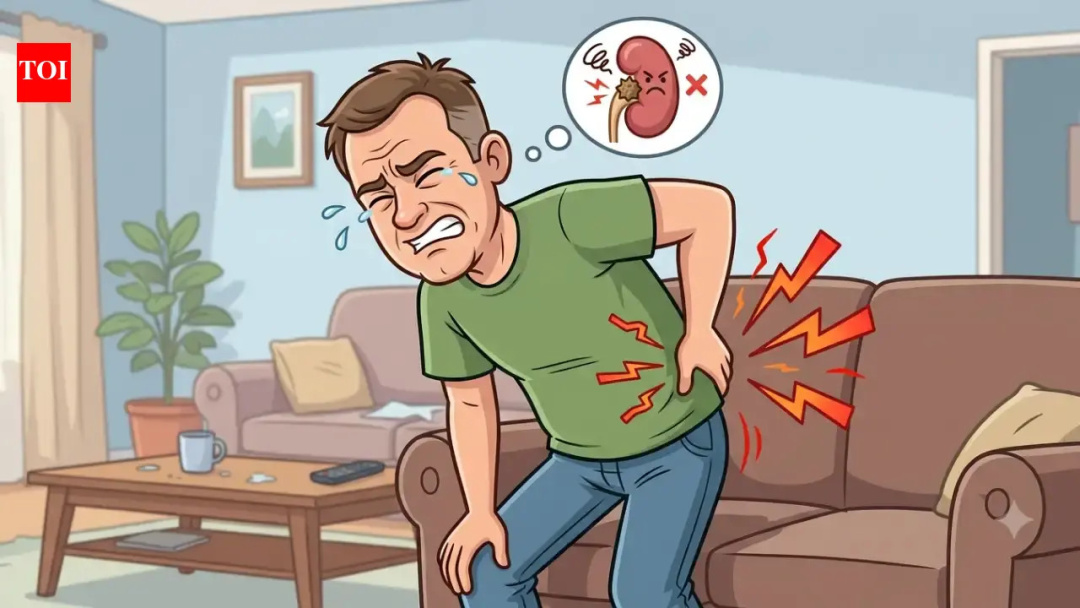
Kidney stones can often form without causing any noticeable symptoms, remaining quietly in the kidney for extended periods. Trouble typically arises when a stone shifts into the ureter, the duct that carries urine from the kidney to the bladder, potentially causing severe pain that radiates from the back or side towards the abdomen and groin. This pain may be accompanied by nausea, vomiting, or blood in the urine. However, pain is not the only concern associated with kidney stones. According to Dr. Prashant C. Dheerendra, a Senior Consultant Kidney Specialist at Apollo Hospitals in Bengaluru, a stone can obstruct urine flow without presenting dramatic symptoms. In some cases, a fever in a patient with urinary obstruction can indicate a serious infection, necessitating immediate medical attention. Dr. Dheerendra shares five crucial insights about kidney stones, highlighting that not all stones cause pain. Small stones can remain asymptomatic and may be discovered incidentally during imaging tests. Pain typically arises when a stone moves into the ureter, obstructing urine flow. It is important to note that the absence of pain does not imply that a stone is harmless; a stone blocking urine drainage can lead to kidney damage over time. Fever is particularly concerning, as it may signal an infection requiring urgent care. The risk of developing additional stones increases after the first occurrence. In the United States, the National Institute of Diabetes and Digestive and Kidney Diseases (NIDDK) estimates that around 11% of men and 6% of women will experience kidney stones at least once in their lives. India also faces a significant burden, with studies indicating a 7.9% lifetime prevalence of urinary stones among adults, particularly in those aged 20 to 40. Once a person has had a kidney stone, the likelihood of recurrence is heightened, especially if underlying risk factors remain unaddressed. Factors such as low fluid intake, family history, obesity, and specific metabolic conditions can contribute to this increased risk. Hot weather can exacerbate the situation, as sweating without adequate fluid replacement can concentrate urine and promote crystal formation. Kidney stones typically form when substances in urine become concentrated enough to crystallize. Common contributors include calcium, oxalate, and uric acid. Dietary choices can influence this balance, with excessive sodium, high animal protein intake, and inadequate hydration increasing the risk for susceptible individuals. It is also essential to recognize that there is rarely a single cause for stone formation. Treatment varies based on factors such as the stone's size, location, and the presence of obstruction or infection. Some small stones may pass naturally with appropriate pain management, while others may require procedures like ureteroscopy or lithotripsy. The NIDDK notes that treatment plans should be tailored to the individual, considering the specific characteristics of the stone. Prevention is crucial for those prone to kidney stones, with hydration being a key factor. Maintaining adequate fluid intake helps dilute urine and flush out minerals before they can crystallize. The optimal amount of fluid intake should be personalized, particularly for individuals with kidney or heart conditions. Dietary adjustments, such as reducing salt and moderating animal protein consumption, may also be beneficial, depending on the type of stone. Importantly, individuals should not eliminate dietary calcium without medical guidance, as the relationship between calcium and stone formation is complex. Dr. Dheerendra advises that effective treatment and prevention should begin with identifying the type of stone and the underlying causes rather than relying on generalized remedies. For those who have experienced a kidney stone, the initial episode serves as a critical signal to investigate the factors contributing to stone formation and to take proactive steps to mitigate future risks.