Study Links Air Fryer Ownership to Cooking Skills and Mediterranean Diet Adherence
A cross-sectional study conducted in Istanbul, Türkiye, has revealed intriguing insights into the relationship between air fryer ownership, cooking skills, and adherence to the Mediterranean diet among cohabiting adults. The study included 384 participants, with half reporting ownership of an air fryer. It was found that air fryer owners had a longer duration of education and a lower body mass index compared to non-owners. Notably, women scored higher than men on cooking skills, food skills, and Mediterranean diet adherence within both ownership groups.
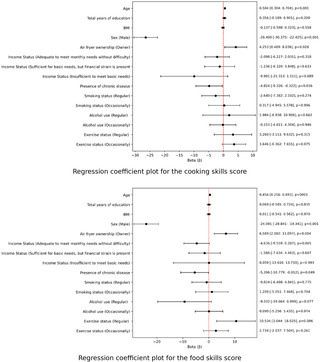
The research employed a validated 33-item scale to assess cooking and food preparation skills, alongside the Mediterranean Diet Adherence Screener (MEDAS) to evaluate diet quality. The results indicated that air fryer ownership was positively associated with both cooking skills and food skills. Furthermore, higher MEDAS scores were linked to older age and regular exercise, while factors such as male sex and lower perceived income were associated with lower diet adherence scores.
An interesting aspect of the findings was that air fryer owners reported a more equitable division of kitchen tasks with their partners, particularly in areas like meal preparation and dishwashing. This suggests that air fryer ownership may influence not only cooking practices but also the social dynamics of culinary labor within households.
The study emphasizes the dual role of air fryers as both a marker of contemporary kitchen technology adoption and a potential facilitator of more equitable domestic labor arrangements. However, it also highlights that while air fryers may support healthier cooking practices, their ownership does not inherently guarantee adherence to the Mediterranean diet, which emphasizes the consumption of minimally processed foods and a balanced dietary approach.
This research contributes to the broader understanding of how modern kitchen appliances intersect with dietary habits and household dynamics, suggesting that the adoption of such technologies can reflect and potentially reshape domestic food practices. It underscores the importance of evaluating the implications of kitchen technology on both cooking skills and dietary adherence, rather than assuming a direct causal relationship.