New Questionnaire to Assess Cooking Self-Efficacy in Spanish University Students
The transition to university represents a pivotal moment in the lives of young adults, characterized by increased independence and new social dynamics. During this critical period, many students struggle with maintaining healthy dietary habits, often leading to a decline in diet quality. A study conducted by researchers at the Universitat Oberta de Catalunya has focused on this issue by developing the Spanish Cooking Self-Efficacy Questionnaire (SCSEQ), aimed at assessing the cooking self-efficacy of university students in Spain. This instrument is particularly relevant as it addresses the unique dietary challenges faced by students who may have limited cooking experience and knowledge.
The SCSEQ was created to fill a gap in existing tools that measure cooking self-efficacy, which is defined as an individual's belief in their ability to prepare meals using various ingredients and techniques. This belief is crucial, as higher cooking self-efficacy has been linked to better dietary choices and increased meal preparation at home. The development of the SCSEQ involved a thorough review of existing instruments and consultations with food and nutrition experts to ensure its relevance and clarity.
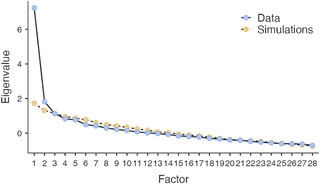
The questionnaire underwent rigorous testing, including face validity assessments with experts and pilot testing with a sample of 73 university students from four Catalan universities. The exploratory factor analysis revealed a two-factor structure and confirmed the internal consistency of the SCSEQ, indicating that it is a reliable tool for measuring cooking self-efficacy in this population. The final version of the questionnaire consists of 25 items and demonstrates strong psychometric properties, making it suitable for use in culinary education and health interventions aimed at improving dietary habits among university students.
This research highlights the importance of cooking self-efficacy as a modifiable factor that can influence students' dietary behaviors. By enhancing students' confidence in their cooking abilities, interventions can potentially lead to healthier eating patterns and improved overall well-being. The SCSEQ not only provides a means to assess cooking self-efficacy but also serves as a foundation for future culinary education programs tailored to the needs of university students in Spain.