Re-Warm Up Improves Performance in Team Sports but Increases Perceived Exertion
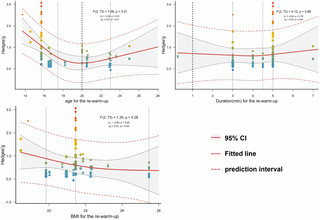
A recent systematic review and meta-analysis investigated the effects of re-warm up (RWU) on athletic performance and rating of perceived exertion (RPE) among team-sport athletes. The study, which included 20 relevant studies, aimed to clarify how RWU influences performance metrics such as countermovement jump (CMJ), sprint performance, and agility, while also considering moderators of these effects. The findings revealed that RWU significantly improved CMJ and sprint performance, as well as agility, compared to passive rest during halftime. However, this improvement came at the cost of increased perceived exertion, indicating that while RWU can enhance physical performance, it may also lead to greater fatigue. Notably, the analysis found no significant benefits of RWU for squat jump performance, repeated-sprint ability, or maximal strength. The study highlighted the importance of tailoring RWU protocols to individual athlete characteristics, including takeoff style and lower-limb dominance, as well as the specific demands of the sport and competition context. It was also noted that age group and assessment timing significantly moderated the effects of RWU on perceived exertion, suggesting that younger athletes may experience different outcomes compared to older athletes. Coaches are encouraged to consider these factors when implementing RWU strategies to optimize performance while managing fatigue, particularly in youth athletes. The study underscores the need for further research to explore the nuanced effects of RWU across various performance outcomes and athlete populations, as well as the potential implications for training and competition strategies.