Study Reveals Protein Intake Deficits Among Older Adults Across Dietary Types

A new exploratory study published in The Journal of Nutrition has found that protein intake among older adults often falls short of the recommended dietary allowance (RDA). The study involved 26 participants aged 72 to 80, comprising 20 vegetarians and six vegans, who meticulously recorded everything they consumed over a three-day period. The results indicated that 83% of the vegan participants, 40% of vegetarians, and 25% of omnivorous participants did not meet the RDA for protein, which is set at 0.8 grams per kilogram of body weight per day.
The lead author of the study was unavailable for comment, but the published report emphasized that protein inadequacy is not limited to plant-based diets, aligning with previous research that has shown inadequate protein intake is a common issue among older adults. The study aimed to compare nutrient and protein intake between older adults on vegetarian or vegan diets and those on omnivorous diets. Notably, vegetarian participants had adhered to their diets for a median of 42 years, while vegan participants had been vegan for about 10 years, following a vegetarian diet for approximately 31 years prior.
Researchers assessed the intake of calories, protein, and several micronutrients, examining protein quality both within individual meals and throughout the day. The findings revealed that the RDA of 0.8 grams of protein per kilogram of body weight may not be adequate for all older adults. A scientific review from McMaster University published in Frontiers in Nutrition suggests that the current protein intake recommendations may fall short for elderly and critically ill adults. The consensus now recommends that older adults consume between 1.2 to 1.6 grams of protein per kilogram of body weight daily to mitigate age-related muscle loss, significantly exceeding the outdated RDA.
The study also highlighted that protein quality was a concern among plant-based groups, particularly regarding individual meals. Specifically, lysine and methionine were identified as limiting factors for protein quality, with breakfast meals generally scoring the lowest in protein quality, followed by lunch, and dinner scoring the highest. Some vegan breakfasts did provide high-quality protein, especially those containing tofu, soy yogurt, soybeans, nuts, seeds, and whole grains. However, none of the vegan participants met the recommended intakes for essential nutrients such as calcium, iron, zinc, folate, vitamin B12, and vitamin D.
Vegetarians generally had adequate iron and folate intake but were deficient in several other nutrients, and nutrient inadequacies were also observed among omnivores. The report noted that supplements were commonly used across all three dietary groups. The nutrient gaps identified in this study resonate with broader research on micronutrient deficiencies, with vitamin B12 being crucial for red blood cell production, nerve function, and DNA synthesis. Deficiency in this vitamin is prevalent among older adults, with nearly 40% of the U.S. population exhibiting marginal vitamin B12 status.
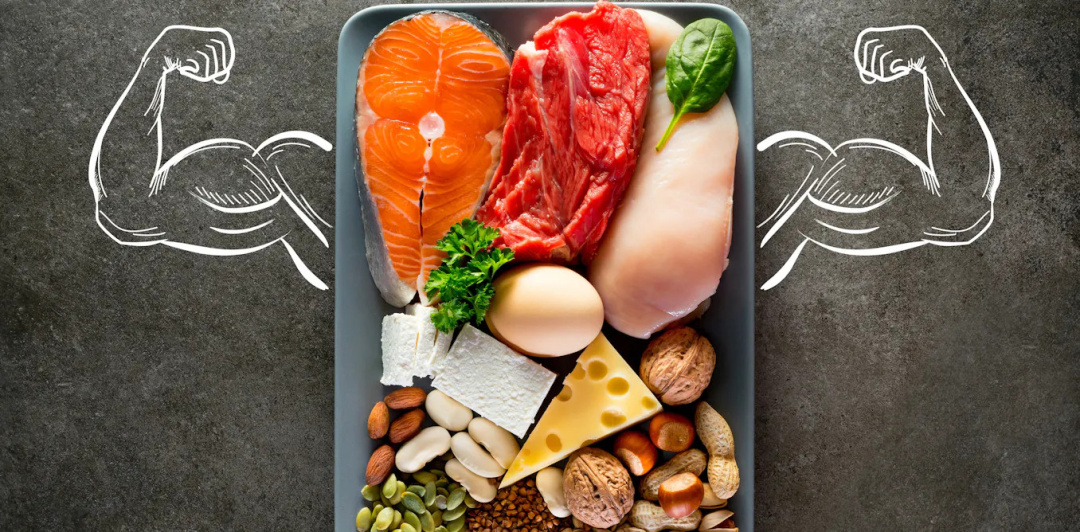
The findings suggest that older adults should aim to incorporate protein into every meal, with recommended sources including eggs, Greek yogurt, cottage cheese, fish, poultry, tofu, tempeh, beans, and lentils. Given that breakfast had some of the lowest protein-quality scores, experts recommend starting the day with a protein-rich option, such as Greek yogurt with nuts and seeds, eggs with whole-grain toast, or a tofu scramble. While high-quality protein supplements can be beneficial for those with low appetite, it is essential to ensure that total energy intake is not neglected, as consistently under-eating can hinder muscle maintenance and nutrient needs.
A separate study published in the American Journal of Clinical Nutrition indicated that evenly distributing protein intake across three meals daily may help preserve muscle strength in older adults. The loss of muscle mass, known as sarcopenia, typically progresses at about 0.8% per year starting in the fifth decade of life, with an estimated prevalence of 10% in adults over 60 years and rising to more than 50% in those over 80.
This study underscores the importance of adequate protein intake among older adults to support muscle health and overall well-being, suggesting a need for revised dietary guidelines that reflect the unique nutritional requirements of this population.