Medicaid Meal Delivery Programs Show Health Benefits Amid Funding Uncertainty
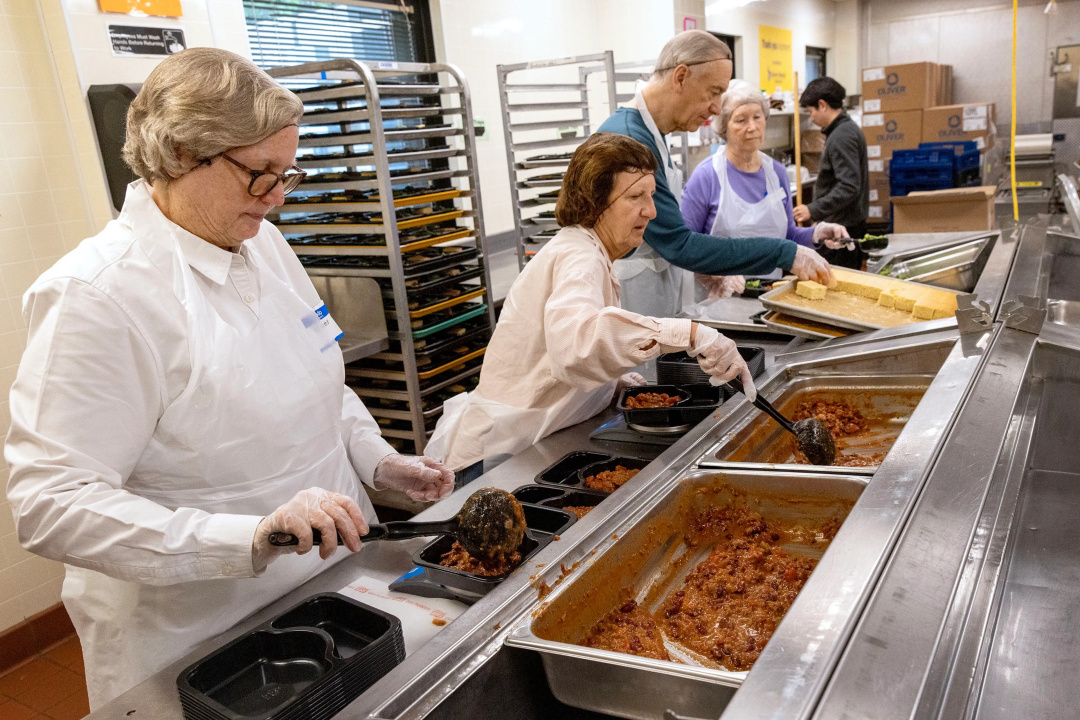
In a bustling kitchen in Boston, volunteers prepare nutritious meals for Medicaid patients unable to shop for groceries or cook for themselves. This initiative is part of a program offering medically tailored meals, which have shown to improve health outcomes for recipients. Vanessa Georges, a throat cancer survivor, shared her experience, stating that these meals helped her regain strength and reduce her medical visits. Research published in Nature Medicine supports her claims, revealing that Massachusetts residents receiving these meals experienced 20% fewer emergency department visits and 31% fewer hospitalizations compared to those who did not receive them. Dariush Mozaffarian, a cardiologist at Tufts University and lead researcher, emphasized the cost-effectiveness of such programs, noting that they can save the healthcare system money. However, the future of these meal delivery programs is uncertain due to proposed Medicaid budget cuts under the Trump administration, which has led to skepticism about funding for nutrition initiatives. The One Big Beautiful Bill Act, passed in 2025, projected a $900 billion reduction in Medicaid funding, prompting states to consider cuts to essential services. Thirteen states currently utilize federal waivers to fund meal programs, but the lack of clear federal guidance creates uncertainty for states looking to expand these initiatives. Despite the potential benefits, some lawmakers struggle to gain traction for legislation supporting medically tailored meals. Concerns have also been raised about the quality of meals provided under Medicaid, with some companies accused of billing for unhealthy options. At Community Servings, meals are carefully crafted to meet the specific health needs of recipients, focusing on nutritional content. The Massachusetts study found that the cost of these meals, approximately $125 per person per week, was offset by significant reductions in healthcare spending, with patients experiencing substantial savings in medical costs. Nationally, it is estimated that 10 million Americans could benefit from medically tailored meals, yet only a small fraction currently receive them. Mozaffarian highlighted the critical role nutrition plays in health, stating that poor nutrition is a leading cause of preventable healthcare spending. As states navigate budget challenges, the commitment to continue these meal delivery services remains strong, with Massachusetts planning to seek federal approval to sustain the program. In North Carolina, similar programs have shown to reduce Medicaid spending, but budget concerns led to suspensions of services, reflecting the challenges faced by states in implementing such initiatives. The uncertainty surrounding Medicaid funding and the future of nutrition programs raises important questions about the intersection of health and policy, emphasizing the need for continued advocacy and support for these essential services.