Porsha Williams Shares Her Journey Through Emergency Hysterectomy Due to Fibroids
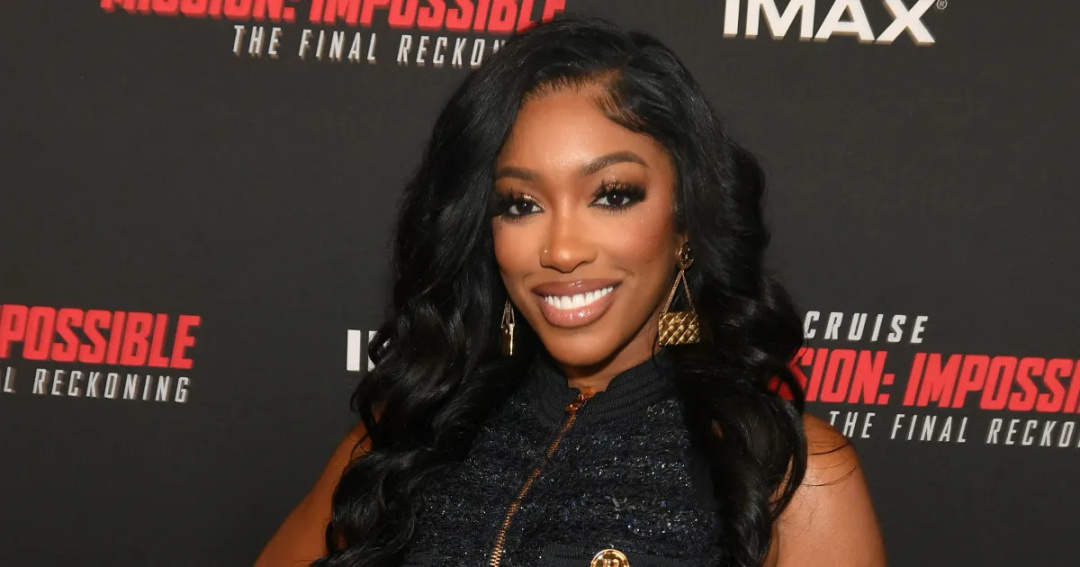
Porsha Williams, known for her role on The Real Housewives of Atlanta, recently opened up about her health challenges related to fibroids and the emergency hysterectomy she had to undergo. In an essay published in Glamour, Williams recounted the moment she discovered she had fibroids, coinciding with her pregnancy at the age of 30. This revelation came while she was trying for her first child and dealing with fertility issues that necessitated consulting a specialist. Tragically, she experienced a miscarriage at four months due to the fibroids that had outgrown the pregnancy.
As Williams navigated her health journey, she underwent a myomectomy a year later, but the fibroids returned during her subsequent pregnancy with her daughter, Pilar. Despite the challenges, she described Pilar as her 'rainbow baby,' having fought through the complications caused by the fibroids. During her last month of pregnancy, Williams was on bed rest as the fibroids degenerated, which caused her significant pain, yet she remained grateful for the birth of her daughter.
After giving birth, the fibroids returned aggressively, prompting Williams to pursue fibroid embolization in hopes of preserving her fertility. However, following her divorce from Simon Guobadia, she experienced additional stress, which contributed to her health issues. A visit to a fibroid specialist revealed the alarming presence of over 15 large fibroids along with endometriosis and other complications involving her uterine lining. The specialist recommended a hysterectomy, which Williams described as a life-saving decision despite the emotional toll it took on her.
During the surgery, doctors discovered a total of 21 fibroids, the largest being the size of a cantaloupe. Reflecting on the experience, Williams expressed the profound sense of loss she felt post-surgery, acknowledging the stigma surrounding hysterectomies and the societal perceptions of womanhood tied to having a uterus.
Despite the challenges, Williams emphasized that the hysterectomy significantly improved her quality of life. She noted that she had not realized how much the fibroids had affected her overall health, including contributing to migraines and low iron levels. The fibroids had also severely impacted her personal life, closing off over 60 percent of her birth canal and affecting her bladder health.
Now, Williams cherishes every moment with her daughter, expressing gratitude for the new perspective her experiences have given her. She refers to Pilar as her 'lifesaver' and feels a deeper connection to her as a result of their shared journey. Williams' story sheds light on the often-taboo subject of fibroids and hysterectomies, encouraging open conversations about women's health issues.