High Work-Related Stress and Mental Health Issues Affecting Finnish Employees
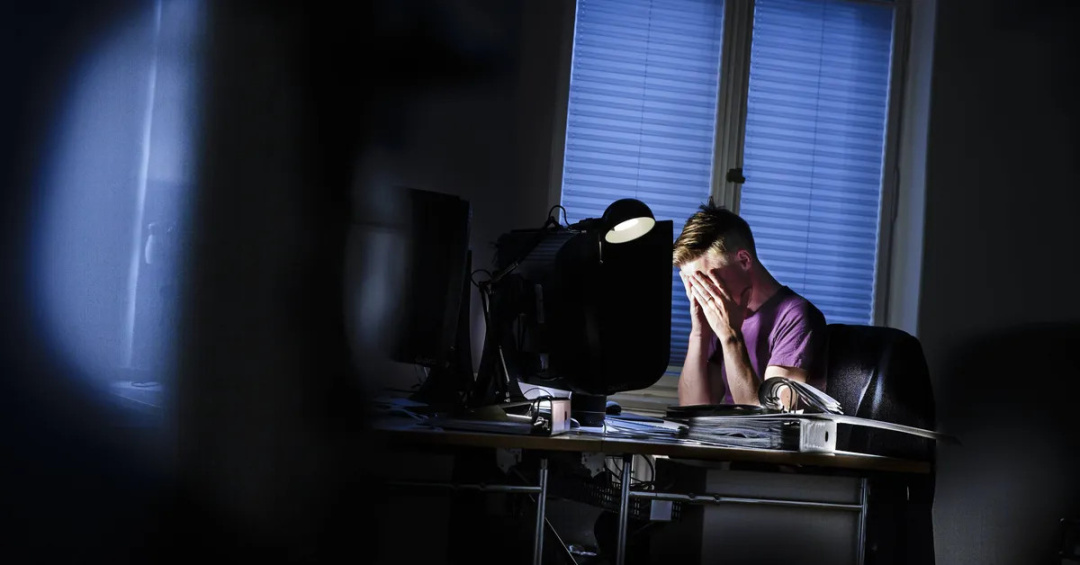
According to the European Agency for Safety and Health at Work's OSH Pulse survey, 45% of employees in Finland report experiencing work-related stress, depression, and anxiety, making it one of the highest rates in the European Union. This statistic places Finland just behind Greece, where nearly half of the workers, 49%, reported similar experiences. In contrast, Denmark has the lowest incidence, with only 19% of employees affected.
The survey highlights the significant impact of workplace stressors, including climate change and digital technology, on mental health. In response to these findings, the European Parliament is pushing for new legislation aimed at better safeguarding workers' mental and physical health. A committee within the EU Parliament approved a legislative initiative that emphasizes the need for employers to conduct regular assessments of psychosocial risks, such as excessive workloads and high work paces.
The initiative also calls for employers to address psychological symptoms among workers, potentially through options like remote work arrangements. Furthermore, it seeks to establish clearer definitions and prohibitions against harassment, bullying, and discrimination in the workplace.
Estelle Ceulemans, a Member of the European Parliament who spearheaded the initiative, pointed out that work-related depression incurs a cost of approximately 100 billion euros annually across EU countries. This financial burden underscores the urgency of implementing effective measures to protect workers' mental health.
In addition to addressing workplace mental health, the initiative includes provisions concerning the connection of data centers to Finland's electricity grid, as well as the introduction of a separate fee for data centers. As Finland prepares to address these pressing issues, it is essential to consider both the immediate and long-term effects of workplace mental health on employees and the broader economy.