Kombucha's Sugar Content and Its Impact on Blood Sugar: A Review of Current Research
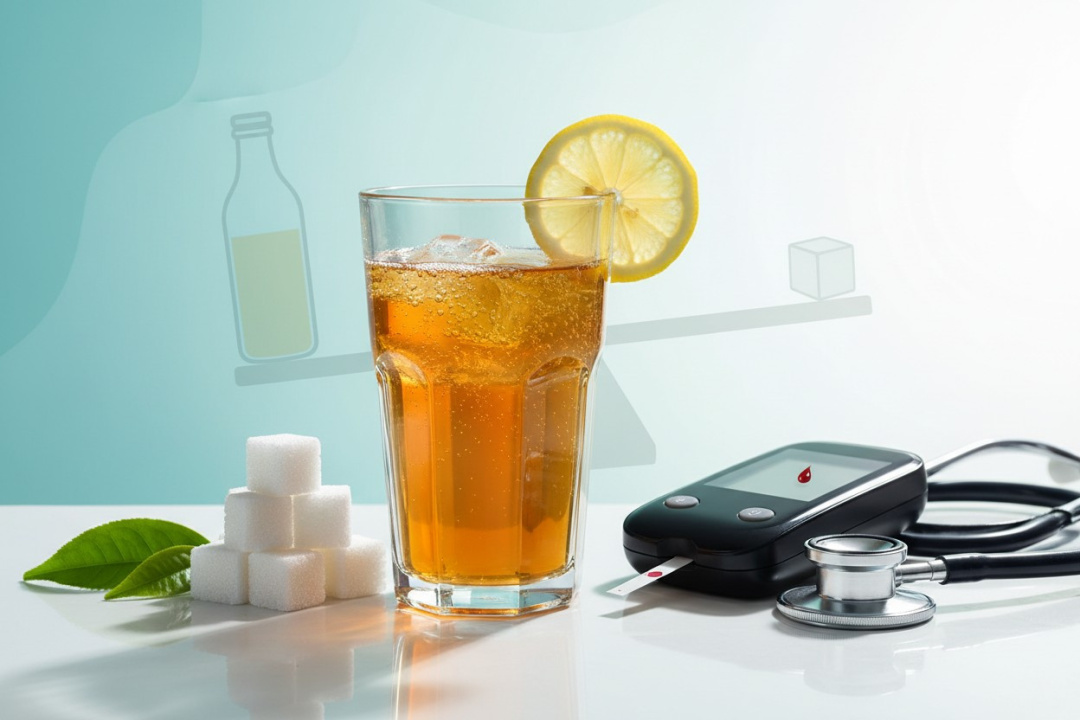
Kombucha, a fermented tea beverage, is noted for its variable sugar content, which can range from three to 15 grams per serving, placing it on par with some sports drinks at the higher end. The drink's sugar content is influenced by factors such as brand and brewing method, and some of the sugar listed on labels may have been consumed during fermentation, potentially resulting in a lower final sugar content than indicated. Erin Palinski-Wade, a registered dietitian, emphasizes the need for consumers to check the sugar content of different kombucha brands, recommending those with no more than 4.5 grams of sugar or 18 calories per 100 milliliters. Additionally, moderation is advised, with a suggested limit of around 8 ounces per day for those mindful of their sugar intake.
A small study conducted in 2023 found that participants who consumed kombucha with 1.7 grams of sugar alongside a high-carbohydrate meal experienced significantly lower blood sugar levels compared to those who drank a no-sugar beverage. Furthermore, a pilot clinical trial indicated that kombucha may help lower fasting blood glucose levels in adults with Type 2 diabetes, possibly by slowing carbohydrate absorption and enhancing insulin sensitivity. However, the evidence regarding kombucha's effects on blood sugar is described as inconsistent, with some studies showing positive results but facing limitations such as small sample sizes and potential conflicts of interest due to industry funding.
Palinski-Wade notes that while kombucha's antioxidants might aid in moderating blood sugar spikes, the beverage's sugar content is still a consideration, especially for those who consume it frequently. The Dietary Guidelines for Americans recommend limiting added sugars to no more than 10 grams per meal, as excessive sugar intake is linked to health issues like Type 2 diabetes and heart disease.
Experts also caution that individuals who are pregnant, immunocompromised, or need to avoid unpasteurized foods should refrain from consuming kombucha due to its potential alcohol and caffeine content. While kombucha can be a lower-sugar alternative to soda, its benefits and risks must be weighed carefully, particularly for those with blood sugar concerns. Overall, while kombucha may offer unique advantages compared to other sweetened beverages, the current research remains mixed, and consumers are advised to consult healthcare professionals regarding its inclusion in their diets.