Understanding Glycation: How Sugar Affects Skin Aging
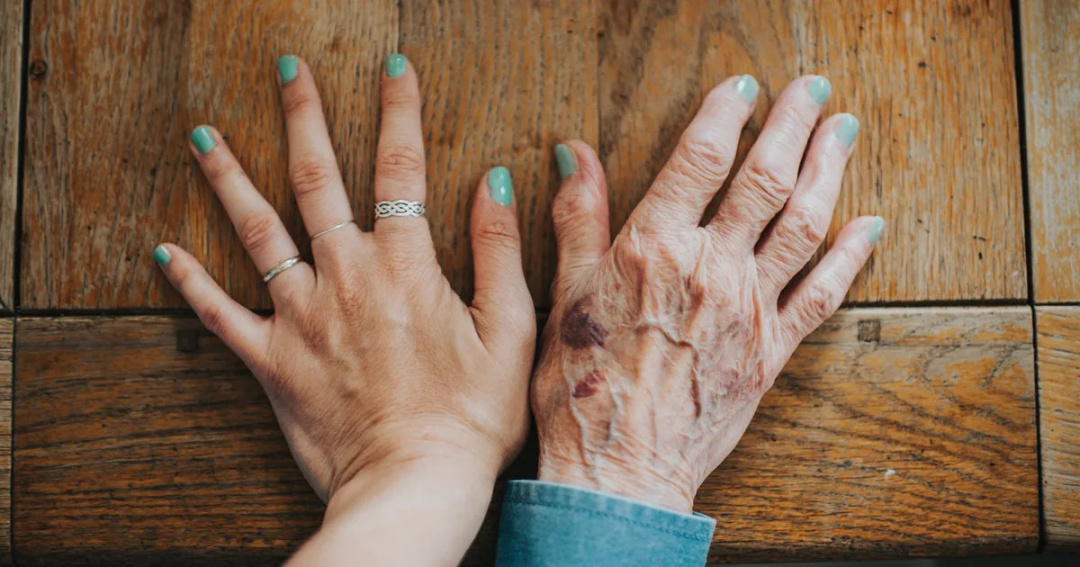
Glycation is a biological process that occurs when excess sugars in the body bind to proteins, particularly collagen and elastin, leading to the formation of advanced glycation end products (AGEs). This process can significantly impact skin health, contributing to visible signs of aging such as wrinkles, dullness, and loss of elasticity. Dr. Jennifer Holman, a dermatologist, explains that glycation is a natural occurrence, but high-sugar diets can accelerate its effects. Dr. Alexandra Richmond further elaborates that while everyone will experience some degree of glycation as they age, factors such as diet, sun exposure, pollution, and smoking can exacerbate the process. Diets rich in added sugars and refined carbohydrates raise blood sugar levels, which in turn increases glycation. Individuals with diabetes may experience a faster accumulation of AGEs, leading to more pronounced skin aging. The structural integrity of collagen and elastin diminishes as AGEs form, making these proteins stiffer and less capable of repair. This degradation manifests as sagging skin, increased wrinkles, and an overall dull appearance. While glycation is part of normal aging, dermatologists emphasize that certain lifestyle choices can help mitigate its effects. Recommendations include wearing sunscreen daily, limiting sugar intake, and consuming a balanced diet rich in fruits, vegetables, and proteins. Antioxidants found in plant-based foods may also help reduce oxidative stress on the skin. Although there are no proven treatments to reverse glycation once AGEs are formed, various dermatological interventions can improve skin appearance. Treatments such as laser therapy, retinoids, and chemical peels can stimulate collagen production and enhance skin texture. However, these methods focus on managing the visible effects rather than reversing glycation itself. For those concerned about the signs of glycation, consulting with a dermatologist can provide tailored treatment options. Overall, while glycation is an inevitable part of aging, understanding its causes and taking preventive measures can help maintain healthier skin.