Higher Protein Intake Linked to Stronger Handgrip Strength in Postmenopausal Women
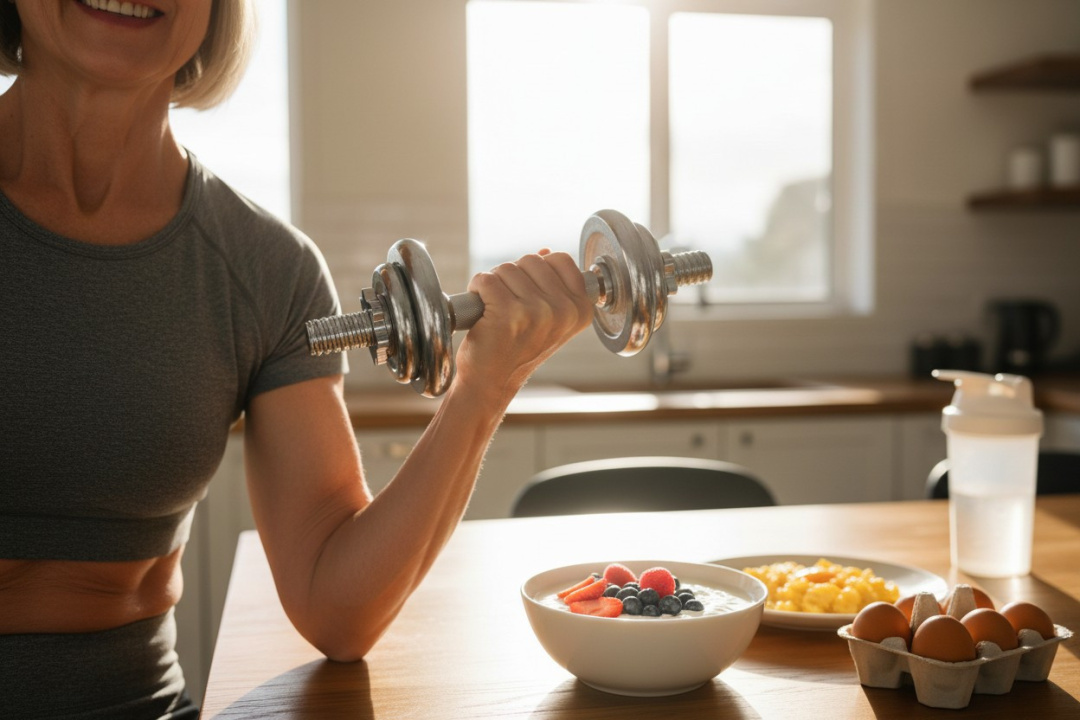
A recent review has highlighted a connection between higher protein intake and stronger handgrip strength in postmenopausal women. This finding, reported by mindbodygreen, is based on an analysis of seven studies that collectively involved 8,922 women. The review underscores that while there is an association, it does not imply a direct cause-and-effect relationship. Handgrip strength is often used as a broader indicator of muscle strength and overall physical function.
The review was prompted by the observation that much of the existing research on protein and muscle health has predominantly focused on men, leaving a gap in understanding how protein affects women, particularly after menopause. Researchers conducted a thorough search of major databases for studies that examined the relationship between protein intake and handgrip strength specifically in postmenopausal women. The studies included in the review analyzed existing dietary habits and strength measurements rather than assigning specific protein intake levels to participants.
Due to the observational nature of the studies, the review could only indicate an association between higher protein consumption and increased handgrip strength without proving causation. Additionally, the review did not establish a specific protein target for intake. It was noted that women who consumed more protein generally exhibited stronger handgrip strength compared to those with lower protein intake. Furthermore, these women also tended to have a lower body mass index, which is a measure derived from weight and height.
Interestingly, the review found that age did not account for the differences in handgrip strength, as the association persisted across various statistical analyses. It was suggested that women with higher protein intake might also engage in more physical activity or maintain healthier overall diets.
The consistent pattern observed in the review suggests that adequate protein intake may play a role in supporting muscle strength after menopause. Nutrition and physical activity are both critical components of maintaining muscle health, as highlighted by previous research.
Moreover, separate studies have indicated that higher protein intake, along with sufficient calcium, may have protective effects on bone health. For instance, a study published in the Journal of Bone and Mineral Research investigated the relationship between high protein and calcium intake and the risk of hip fractures.
The decline of estrogen levels during menopause poses challenges for maintaining muscle mass and strength, making protein intake particularly important for postmenopausal women. Protein provides essential amino acids necessary for muscle repair, while resistance training serves as a stimulus for muscle maintenance.
While the review emphasizes the importance of protein, it cautions against focusing solely on protein intake. Incorporating bodyweight exercises, resistance bands, and weights can effectively stimulate muscle growth without necessitating a gym membership.
Research on sarcopenia, the age-related loss of muscle mass and function, indicates that nutritional status and protein intake are crucial factors in managing this condition. Resistance training has been shown to enhance muscle mass and strength in older adults, and these benefits may be further improved with appropriate nutritional interventions.
The review also highlights that there is no universally defined ideal protein intake, as the studies used varying definitions of higher and lower protein consumption. It suggests that incorporating protein regularly throughout the day—such as eggs or Greek yogurt for breakfast, followed by beans, chicken, fish, or tofu for lunch and dinner—can be beneficial. However, simply increasing protein intake is not advisable if an individual is already consuming sufficient amounts.
In conclusion, while the review indicates that higher protein intake is associated with stronger handgrip strength in postmenopausal women, it does not establish a specific protein target or causal relationship. The findings support the idea of integrating protein as part of a comprehensive strategy for maintaining muscle health, particularly as nutritional needs evolve with age. For older adults, preserving muscle mass is vital for overall health and recovery, especially during illnesses or hospitalizations.