Study Reveals Health Benefits of Black and Green Japonica Rice
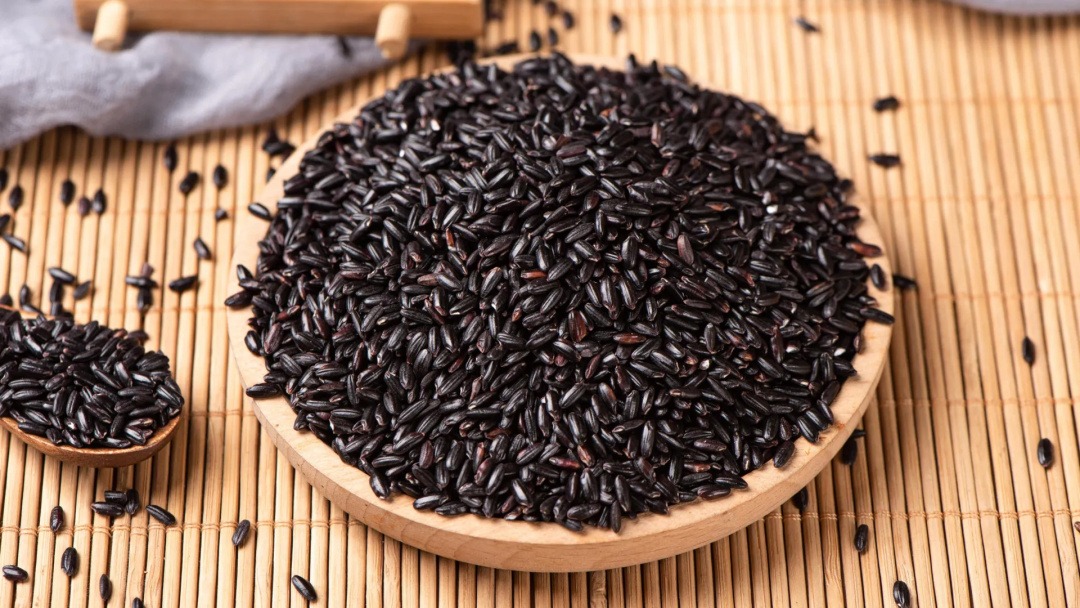
Rice is a staple food for over half of the global population, yet its nutritional profile remains underexplored. While more than 85% of rice is composed of starch, its lipid content—approximately 2%—has not received the same attention, despite its potential impact on nutrition and flavor. Researchers at Hokkaido University have investigated the lipid profiles of japonica rice, a variety commonly associated with Japanese cuisine, to uncover its nutritional secrets. This rice type, which accounts for about 15% of global rice consumption, includes various cultivars such as brown, red, green, and black rice. Their findings, published in Food Research International, indicate that while lipids constitute a small fraction of rice, they play a vital role in its nutritional value by maintaining cell membrane integrity and supporting energy storage and signaling processes in the body. Using advanced analytical techniques like liquid chromatography and mass spectrometry, the researchers identified 196 distinct lipid molecules across five major groups in japonica rice. Notably, pigmented varieties, particularly black and green rice, exhibited higher scores on a health-promotion index due to their unique lipid compositions. These varieties contain potentially beneficial fats, including fatty acid esters of hydroxy medium-chain fatty acids (FAHMFAs) and N-acyl-lysophosphatidylethanolamines (LNAPEs), which have been linked to anti-inflammatory effects and improved metabolic health in various biological systems. This study marks the first identification of FAHMFAs in rice. Furthermore, the researchers explored how these pigmented rice varieties might affect blood sugar levels. Instead of direct human testing, they simulated human digestion in the lab. After cooking and treating selected rice samples with digestive enzymes, they measured the rate at which starch broke down. The results indicated that black and green japonica rice led to a slower increase in blood sugar levels compared to standard white rice, suggesting that the starch in these varieties is digested more gradually. This characteristic could make them valuable for developing foods aimed at supporting heart health and managing blood sugar levels, potentially reducing the risk of lifestyle-related conditions such as type 2 diabetes. This research is part of a broader initiative to identify novel bioactive lipids in various Japanese foods, including dietary fish, herbal teas, and seaweeds. The findings may help consumers understand the nutritional differences among pigmented rice varieties and encourage the creation of new health-oriented rice products. According to lead author Associate Professor Siddabasave Gowda, increased awareness of the health benefits associated with different pigmented rice varieties could lead consumers to choose options that align with their health needs, ultimately supporting the development of functional rice products designed to manage diabetes and other lifestyle-related diseases.