ADHD Linked to Increased Risk of Gastrointestinal Problems, Study Finds

A comprehensive analysis involving more than 1.9 million individuals has revealed a concerning link between attention-deficit/hyperactivity disorder (ADHD) and gastrointestinal problems. The study, published on September 10 in the Journal of Attention Disorders by researchers at the University of Warwick, indicates that individuals diagnosed with ADHD face nearly double the risk of constipation and over four times the risk of experiencing loss of bowel control, also known as encopresis. This meta-analysis pooled data from 23 studies conducted across various countries, including the United States, Sweden, Germany, and South Korea, and examined participants ranging in age from 2 to 65 years.
The findings suggest that people with ADHD experience gastrointestinal symptoms 48% more frequently than those without the condition. Additionally, the study found that irritable bowel syndrome occurs at a rate 58% higher among those with ADHD, and indigestion is also reported more often in this population. Co-lead author Sarah Blake, a medical student at Warwick Medical School, emphasized that these gastrointestinal symptoms can significantly impact daily life and may be overlooked if healthcare providers focus solely on ADHD symptoms.
While the study establishes a clear association between ADHD and gastrointestinal issues, it does not prove causation. The researchers propose several potential explanations for this link. ADHD-related traits, such as impulsivity and irregular eating patterns, could adversely affect digestion. Furthermore, medications commonly prescribed for ADHD are known to have gastrointestinal side effects, including constipation.
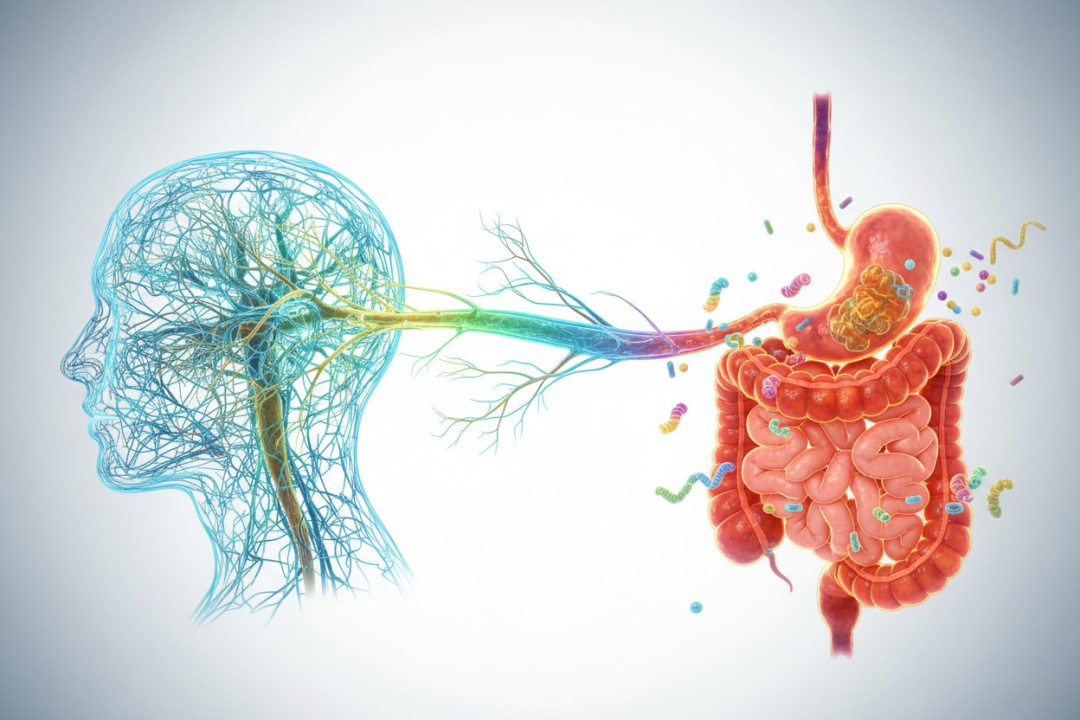
Another theory posits that the gut microbiome may play a role. Previous research has indicated that individuals with ADHD may have different gut bacteria populations compared to those without the disorder. This imbalance could potentially disrupt signals transmitted via the vagus nerve, which connects the digestive system to the brain. The study adds to a growing body of evidence supporting the concept of a 'gut-brain axis' that connects digestive health with neurodevelopmental conditions, although this research specifically focusing on ADHD-related gut symptoms is novel.
Senior researcher Dr. Saran Shantikumar, an associate clinical professor at Warwick Medical School, noted the importance of healthcare providers inquiring about gastrointestinal symptoms in patients with ADHD, particularly when these symptoms could affect their quality of life. For patients experiencing more complex or severe digestive issues, the researchers recommend involving a dietitian or gastroenterologist in their care.
ADHD is estimated to affect approximately 5% of children and 3-4% of adults globally, with diagnosis rates steadily increasing over the past four decades. This rise has been accompanied by an increase in prescriptions for stimulant medications, which are known to cause constipation and other gastrointestinal side effects. While the study does not establish a direct causal relationship between ADHD and gut problems, the observed patterns are significant enough to warrant further investigation and consideration in clinical practice. Families managing an ADHD diagnosis should be aware of these potential gastrointestinal issues and discuss them with their healthcare providers, ensuring they are fully informed about the implications of treatment options.