Understanding the Nutritional Value of Potatoes and Their Role in Diets

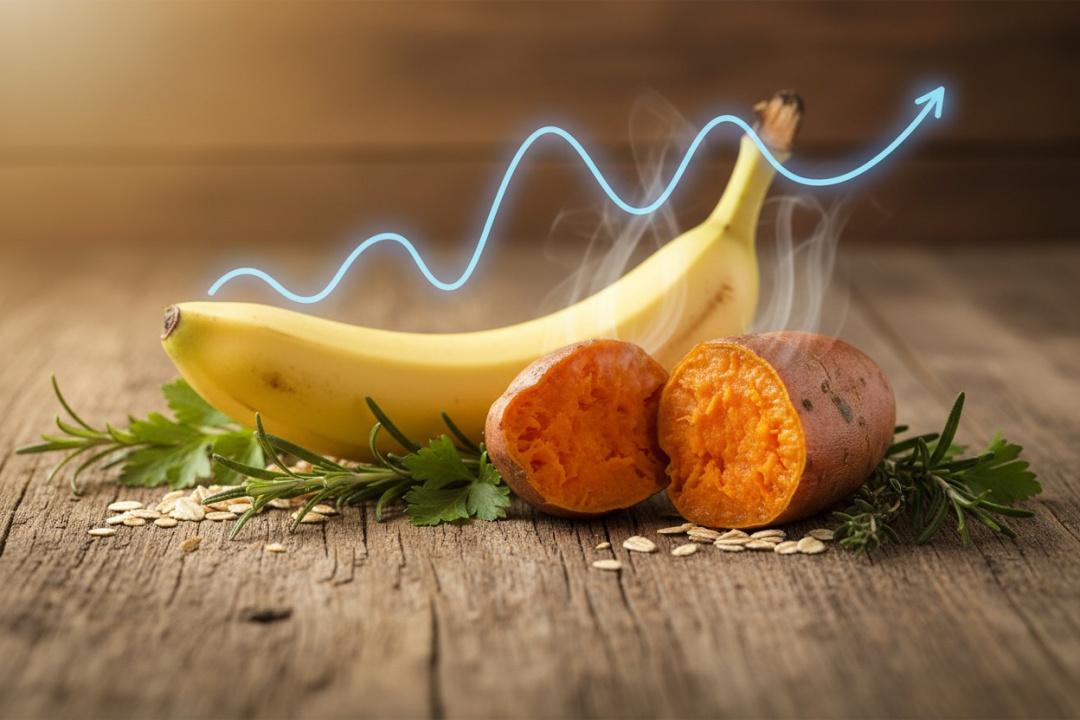
Potatoes have faced various misconceptions regarding their nutritional value. In recent years, the anti-carbohydrate sentiment has led many to view potatoes as merely fattening due to their carbohydrate content. Historically, they have been criticized for being too rich or even considered harmful by some dietary philosophies. However, the reality is that potatoes are a versatile vegetable with a rich nutrient profile, which is often overlooked. In the United States, the consumption of fresh potatoes has declined significantly, from 48 pounds per person in 1982 to just 28 pounds per person in 2024, while frozen potato products have seen an increase. This shift suggests that while people are eating fewer whole potatoes, they are consuming more processed forms like French fries and tater tots. Nutritionists advocate for a reevaluation of how we incorporate potatoes into our diets, emphasizing their nutritional benefits. Registered dietitian nutritionist Toby Smithson points out that potatoes are an excellent source of vitamin C, vitamin B6, potassium, and dietary fiber, especially when the skin is consumed. Potatoes are particularly high in potassium, which is crucial for maintaining heart health and regulating blood pressure. Barbara Ruhs, another registered dietitian, notes that potatoes also provide a modest amount of protein, making them a quality carbohydrate choice. While it is true that potatoes contain carbohydrates, their glycemic index (GI) varies significantly depending on how they are prepared. For instance, a plain baked Russet potato has a high GI of 111, while a boiled white potato scores 82. Interestingly, the GI can be lowered by cooking and then cooling the potatoes, which increases the resistant starch content, a type of fiber that helps moderate blood sugar levels. Carolyn O’Neil, a registered dietitian, explains that chilling potatoes after cooking can significantly reduce their GI, making them a better option for those monitoring their blood sugar. Additionally, the way potatoes are served can also affect their glycemic response. For example, adding fats or acids, such as in potato salad, can further lower the GI. This is particularly relevant for individuals with diabetes, as experts recommend including potatoes in a balanced diet. Smithson emphasizes that potatoes can fit into a healthy eating pattern, particularly for those managing their carbohydrate intake. The belief that all nutrients are concentrated in the skin of the potato is a common misconception. While the skin does contain a significant amount of dietary fiber, the flesh also contributes to overall fiber intake and provides soluble fibers that can aid in cholesterol management. Furthermore, recent studies have shown that Russet potatoes can be as effective as commercial carbohydrate gels for endurance athletes, highlighting their role in sports nutrition. The overall message is that potatoes can be a nutritious addition to meals when prepared thoughtfully. For those concerned about carbohydrate intake, methods such as boiling, chilling, and combining potatoes with healthy fats and acids can enhance their nutritional benefits and mitigate blood sugar spikes. By understanding the nutritional profile and preparation methods of potatoes, we can better appreciate their place in a balanced diet.