Centenarians Share Their Secrets to Living a Long and Healthy Life
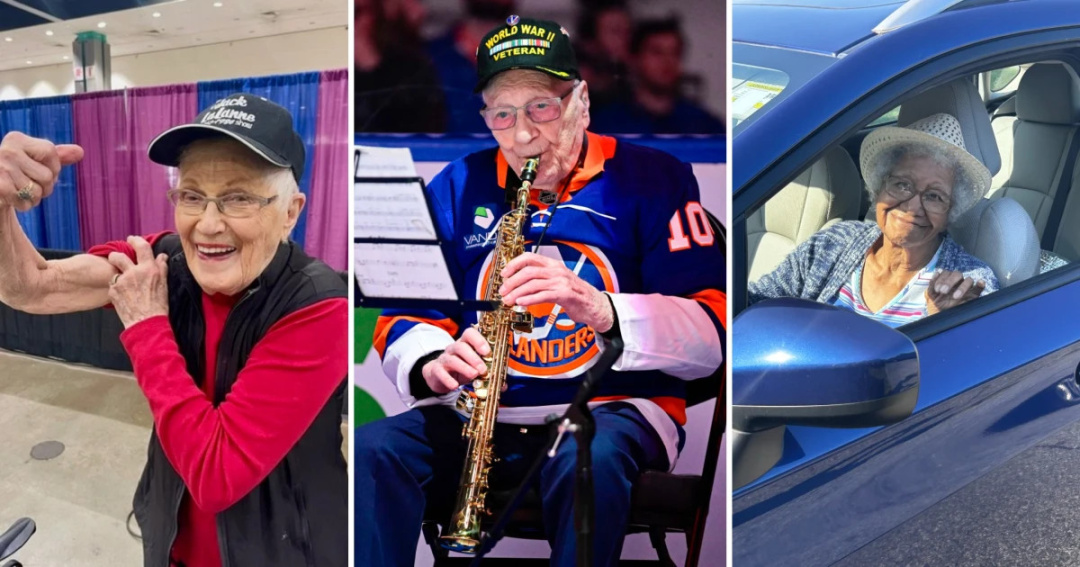
As people ponder the possibility of living to 100 while maintaining good physical and mental health, the experiences of centenarians offer valuable insights. Many of these remarkable individuals continue to live independently, engage in daily activities, and even drive. In celebration of Healthy Aging Month, TODAY.com has compiled seven key habits that centenarians attribute to their longevity, providing a week-long challenge for those seeking to enhance their health.
At 108 years old, Susan Young Browne emphasizes the significance of daily exercise in her life. Her routine includes a 10-minute session of stretching, strengthening, and balancing exercises, followed by leg workouts against the wall. Browne, who lives independently in Dover, Delaware, also participates in chair dancing and walks without assistance. Research indicates that regular physical activity can extend life expectancy by up to seven years, suggesting that incorporating movement into daily life—whether through walking, dancing, or even household chores—can be beneficial.
For John Carroll, 101, and his wife, Jerry, 100, their weekly breakfast ritual at McDonald's serves as a vital social engagement. This tradition not only allows them to enjoy a meal but also fosters connections with friends of all ages. Studies show that strong social relationships can increase the likelihood of survival by 50%, highlighting the importance of community and interaction in maintaining health.
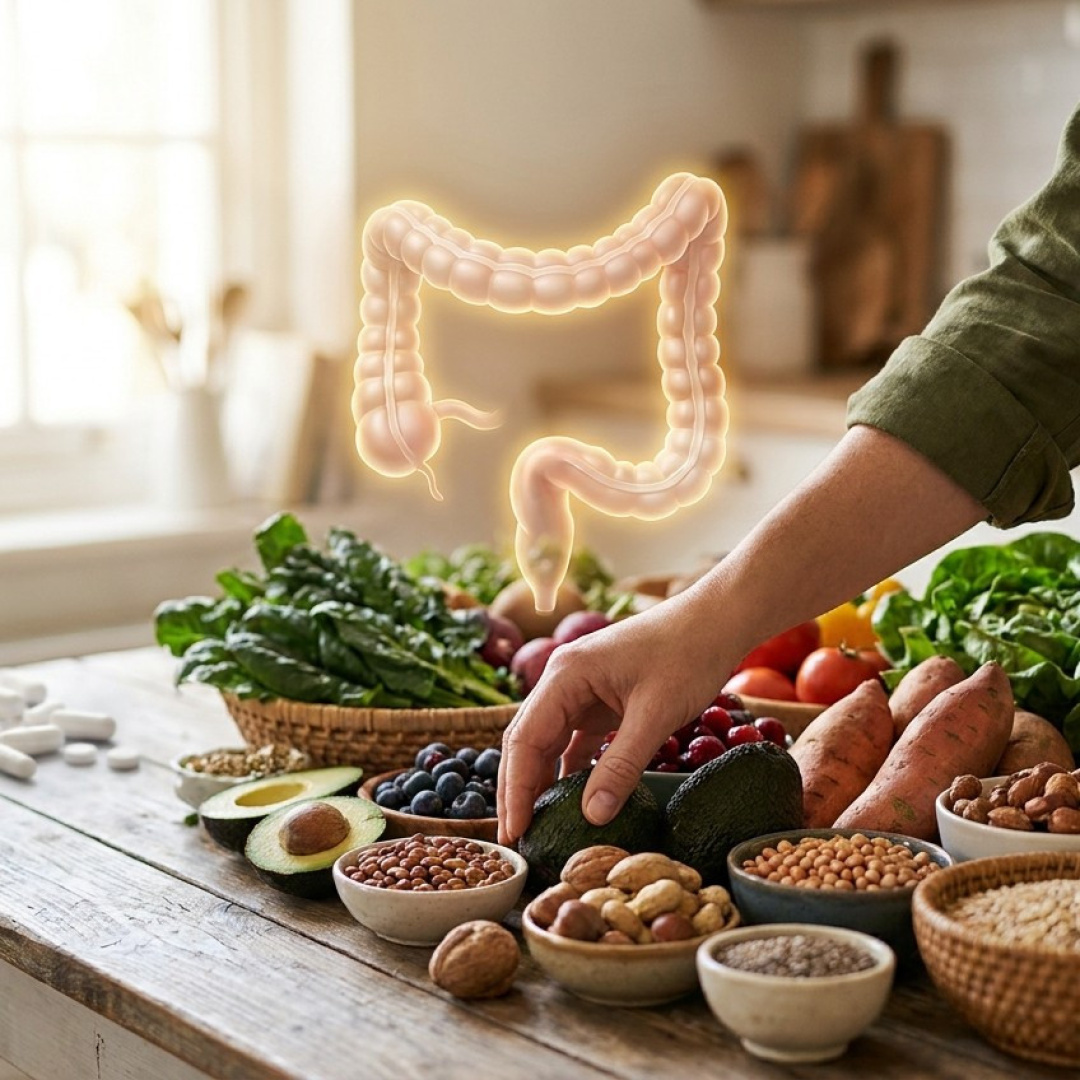
Dominick Critelli, a 105-year-old World War II veteran, attributes part of his longevity to his lifelong consumption of dandelion greens, a staple of the Mediterranean diet. These greens are rich in essential vitamins and minerals, and research suggests that a diet high in leafy vegetables can reduce the risk of premature death and cognitive decline.
Elaine LaLanne, 100, advocates for a positive mindset, a trait her late husband, fitness icon Jack LaLanne, encouraged. Studies link optimism with exceptional longevity, suggesting that fostering a positive outlook can be beneficial for health. Similarly, Anne Angioletti, 101, finds purpose in running her jewelry store, which keeps her engaged and socially active. A sense of purpose, whether through work or other fulfilling activities, is crucial for mental and emotional well-being.
Ruth Kundsin, who was 103 when profiled, highlighted the importance of having something to look forward to, as anticipation can enhance mood and provide motivation. JoCleta Wilson, 101, emphasizes the need to manage stress and not take life too seriously, advocating for a balanced approach to challenges.
These centenarians' insights underline the multifaceted nature of longevity, encompassing physical activity, social connections, healthy eating, a positive mindset, and a sense of purpose. As we reflect on their experiences, it becomes clear that adopting even a few of these practices may contribute to a healthier, longer life.