New Satellite Technology Aims to Monitor Changes in Australia's Forests in Real Time
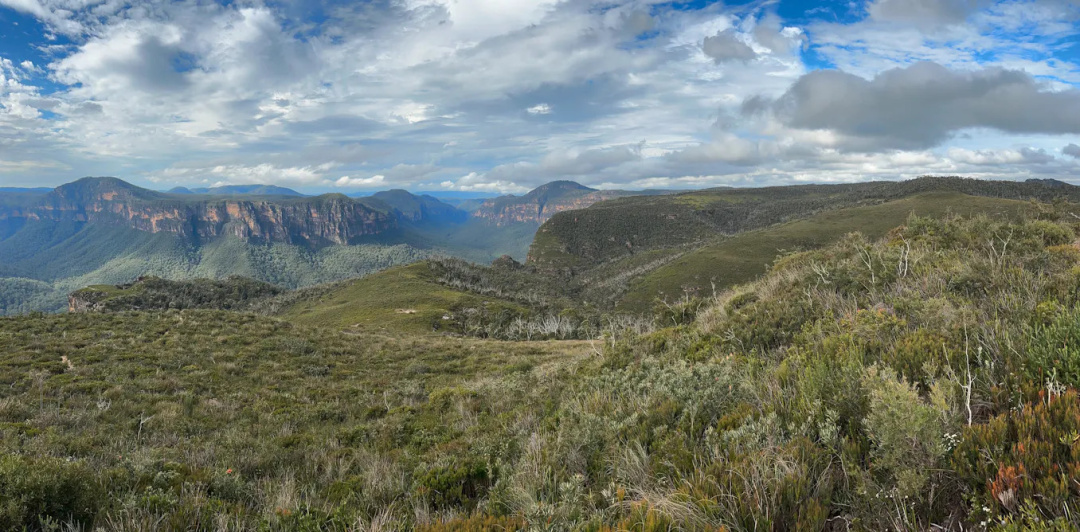
Forests and woodlands cover millions of hectares across Australia, encompassing a range of ecosystems from tropical rainforests to temperate eucalypt forests and the arid shrublands of the interior. These ecosystems play a crucial role in carbon storage, biodiversity support, and water regulation, yet our understanding of their changes over time remains limited. Currently, Australia lacks a cohesive, long-term national monitoring network to assess the health of its forests, making it difficult to answer essential questions about their vulnerability to climate extremes and recovery from disturbances such as fires and droughts.
With the increasing frequency of climate-related events, it is vital to identify which ecosystems are at risk and which exhibit resilience. To address this issue, researchers have initiated a project aimed at upgrading thousands of existing solar-powered sensors, enabling them to transmit data in near real-time via satellites in low-Earth orbit. If successful in their demonstration project in western New South Wales, this technology could be expanded across the state or even nationwide.
Historically, tracking changes in remote forests has been challenging due to the difficulty of accessing data from sensors located in areas with limited telecommunications infrastructure. Researchers have installed sensors in regions prone to climate extremes, measuring soil moisture, microclimate conditions, tree growth, and plant water stress. However, data collection has been infrequent, often limited to manual retrieval a few times a year, which hinders our ability to detect changes promptly, especially following significant events like droughts or bushfires.
While satellite imagery has been a valuable tool for monitoring environmental changes, it is not sufficient on its own. The new project emphasizes the importance of satellite communication capabilities, allowing sensors to transmit continuous data from remote areas lacking mobile coverage. Recent advancements in low-Earth-orbit satellite systems enable small, low-power environmental sensors to send data more efficiently and cost-effectively than before.
The benefits of this near real-time monitoring extend beyond scientific research. Stakeholders such as graziers, land managers, conservation organizations, and carbon project developers will gain early warnings about potential strains on ecosystems. Given Australia's vast and sparsely populated landscape, satellite technology offers a practical solution to overcome the challenges of distance in environmental monitoring.
Researchers from Western Sydney University and UNSW are collaborating with satellite communications company OQ Technology and the NSW Smart Sensing Network to implement this project. They are expanding the network of monitoring plots from the Greater Blue Mountains World Heritage Area to the arid woodlands of western New South Wales, where climate, rainfall, and vegetation vary significantly.
The network includes sensors that measure soil moisture, monitor local weather conditions, track changes in tree growth, and estimate plant water stress. As data flows from these sensors, researchers will build comprehensive datasets that will enhance the ability to forecast future risks to these ecosystems.
Policymakers, industries, and conservationists rely on models and predictions to understand how Australia's ecosystems are responding to climate change. However, the reliability of these forecasts hinges on the quality of observations used to develop and validate them. While tracking changes with satellites and sensors cannot prevent droughts, fires, or ecosystem decline, it can help identify emerging threats, improve forecasts, and provide the evidence necessary for informed decision-making in an increasingly uncertain future.