Brazilian Study Shows Forest Bathing Reduces Anxiety and Stress Significantly
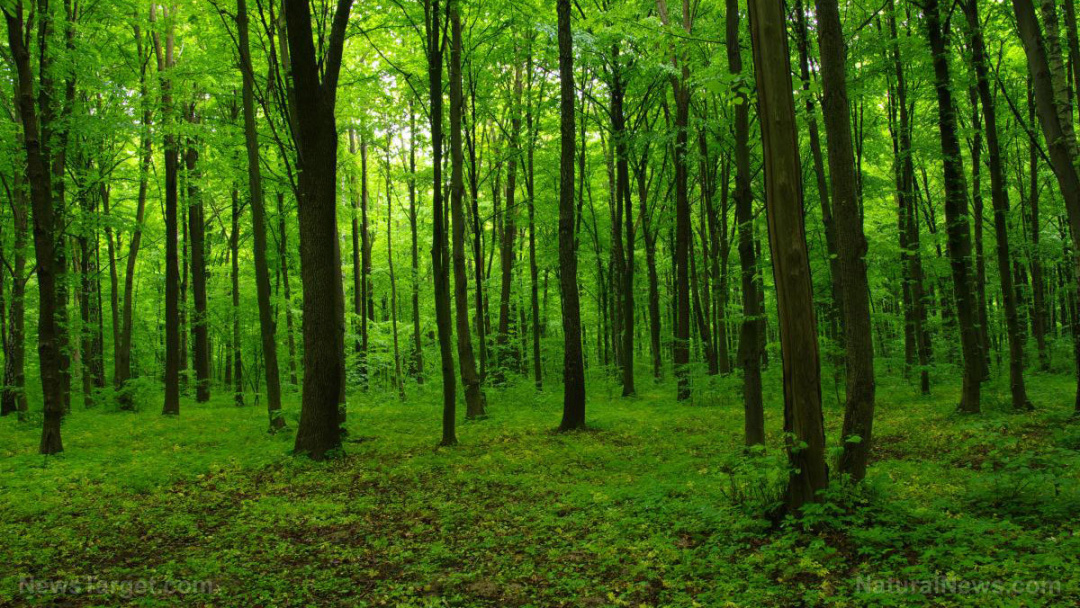
In a time when mental distress has become increasingly common, a pilot study from Brazil has highlighted the mental health benefits of forest bathing, a practice that involves immersing oneself in nature. Conducted by researchers at Sao Paulo State University, the study followed 36 university students who participated in three structured forest bathing sessions in urban parks. The results were striking, showing a 48.4% reduction in anxiety, a 35.4% decrease in depression, and a 33.5% drop in stress levels, all achieved through brief, non-invasive encounters with nature.
The intervention was not a casual suggestion to spend time outdoors; it followed a deliberate five-step protocol designed to engage participants fully with their surroundings. This included green mindfulness meditation, gentle walks focused on observing textures and colors, grounding exercises that involved direct contact with natural surfaces, mindful eating in picnic areas, and guided relaxation that incorporated natural elements.
Each two-hour session provided a dedicated space for participants to disconnect from the overstimulation of modern life. The study found that participants not only experienced significant improvements in their mental health but also developed greater emotional stability and resilience, equipping them better to handle future stressors.
An important finding of the study was that the quality of green spaces matters. Parks that featured denser native vegetation and water elements offered greater psychological benefits compared to more manicured urban gardens. This suggests that natural environments with complex ecosystems and fractal patterns activate deeper restorative mechanisms in the human brain.
The findings align with established theories such as Attention Restoration Theory, which posits that natural environments help restore depleted cognitive resources. Additionally, trees release phytoncides, natural compounds that can enhance immune function and lower stress hormones like cortisol. Thus, the forest serves as a multi-sensory, biochemical therapy session.
This study raises critical questions about the current mental health paradigm, which often prioritizes pharmaceutical solutions over addressing the root causes of mental distress. Critics argue that the modern healthcare system tends to manage symptoms rather than tackle the underlying issues, which are exacerbated by contemporary life that often disconnects individuals from nature.
The implications of this research are particularly urgent given the ongoing global mental health crisis, which has been worsened by the COVID-19 pandemic. A separate survey in Sao Paulo found that over half of adults reported frequent anxiety or stress since the pandemic began, with young adults being particularly affected. Increased sedentary behavior, screen time, and social isolation have all contributed to this disconnection from nature.
The forest bathing study offers a hopeful alternative, providing evidence that immersion in nature is not just beneficial but necessary for psychological well-being. The structured protocol can be easily replicated by institutions, especially universities facing rising student anxiety levels.
Individuals do not have to wait for systemic changes to reap these benefits. The core principles of forest bathing can be integrated into daily life: seeking out natural spaces with mature trees, engaging all senses during outdoor experiences, establishing a routine of spending time in nature, and incorporating grounding practices such as walking barefoot on grass.
In conclusion, the study advocates for the integration of nature-based solutions into mental health strategies, emphasizing that forest bathing should be viewed not as an alternative therapy but as a foundational aspect of preventative healthcare. The path to healing may lie not in a prescription, but in a return to the natural environments that have shaped human existence and are essential for our mental health.