Study Links ADHD to Increased Gastrointestinal Symptoms
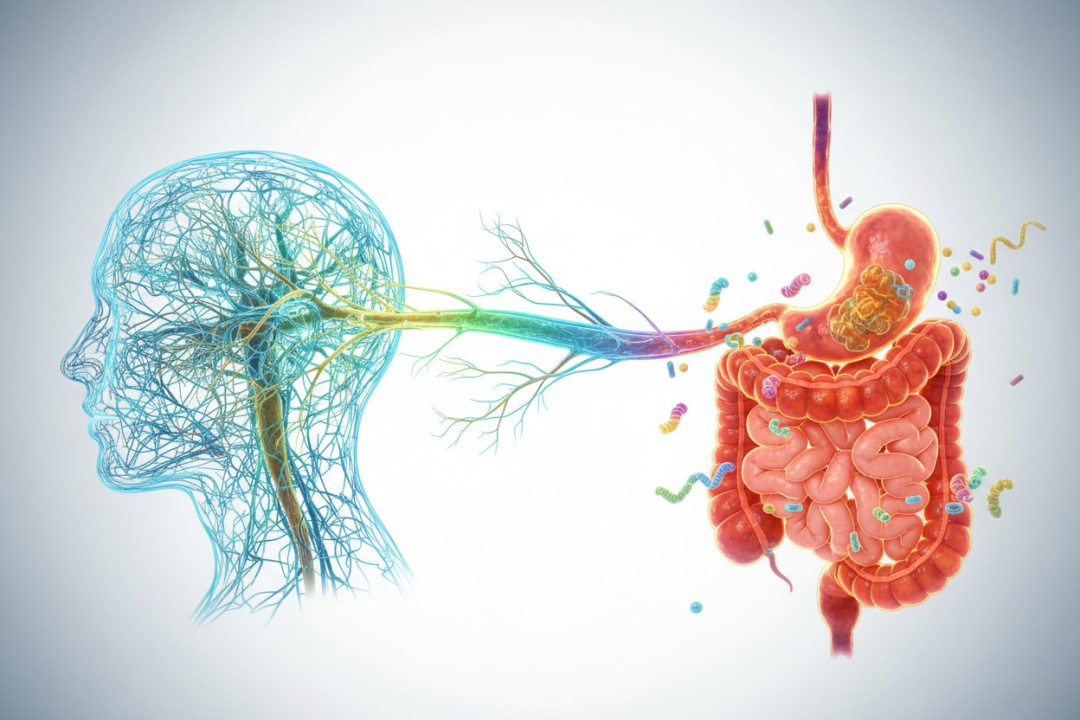
Research conducted by the University of Warwick indicates that individuals diagnosed with attention-deficit/hyperactivity disorder (ADHD) are nearly 50% more likely to experience gastrointestinal symptoms than those without the condition. The study, which analyzed data from over 1.9 million people, found that individuals with ADHD had almost double the odds of suffering from constipation, a 58% increase in the likelihood of irritable bowel syndrome (IBS), and more than four times the odds of encopresis, or loss of bowel control. This systematic review is the first to specifically focus on gastrointestinal symptoms associated with ADHD, drawing on studies from various countries including the USA, Sweden, Germany, and South Korea, and involving participants aged between 2 and 65 years. ADHD affects approximately 5% of children and 3-4% of adults globally, with diagnosis rates increasing sharply over the past four decades. In the U.S., about 11.4% of children aged 3-17 have been diagnosed with ADHD at some point, a rise from 9.9% in 2016. Previous research has documented digestive issues among individuals with autism spectrum disorder, suggesting a potential gut-brain axis that connects digestive health with neurodevelopmental conditions. This connection is further supported by evidence indicating that diet may influence behavior, cognition, and digestion in children with autism, who often experience food selectivity and gastrointestinal problems. Commentary from the Alliance for Natural Health International has highlighted various contributors to neurodivergence, including gut-brain issues, neuro-inflammation, and nutritional deficiencies. Other studies have found similar associations, noting that many children with autism experience gastrointestinal symptoms, and imbalances in gut bacteria have been linked to anxiety, depression, ADHD, and autism spectrum disorders. The current study does not establish causation but identifies a significant association between ADHD and digestive problems. Co-lead author Sarah Blake, a medical student at Warwick Medical School, emphasized that many gut symptoms, such as constipation and IBS, are closely associated with ADHD and can be overlooked if the focus remains solely on ADHD. Dr. Saran Shantikumar, an associate clinical professor at Warwick Medical School, noted the need for clinicians to inquire about gastrointestinal symptoms in ADHD patients, as these issues can significantly impact quality of life. The researchers advocate for further investigation into the underlying biological factors contributing to this association and the potential influence of medications. The findings are based on a comprehensive review of 23 studies, but the authors caution that the observed association does not imply that ADHD causes digestive problems.