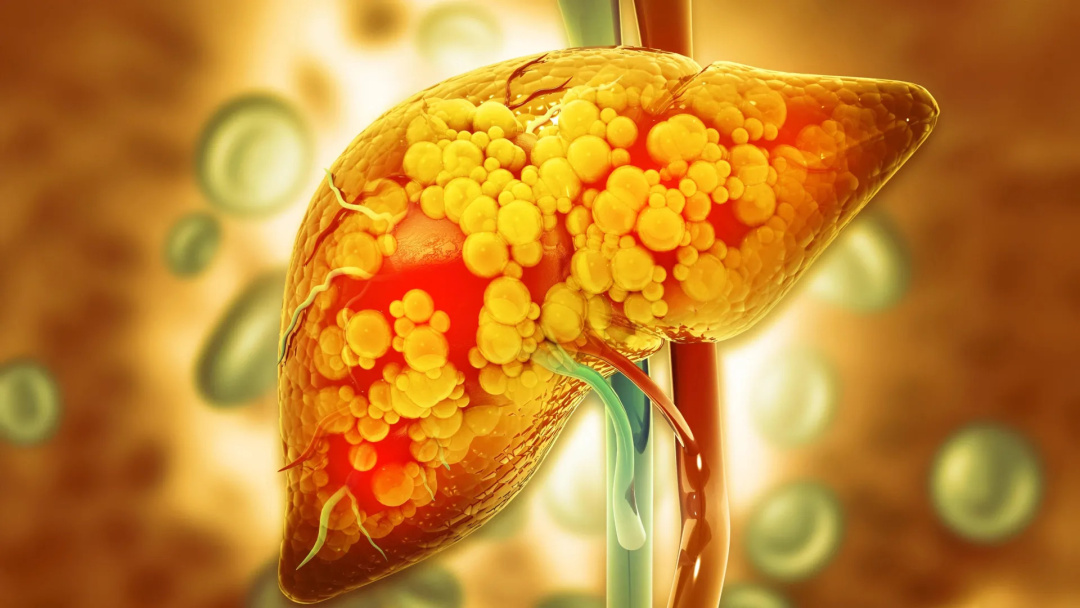
Rising Prevalence of MASLD in Pregnant Women: Implications for Maternal Health

A liver condition, metabolic dysfunction-associated steatotic liver disease (MASLD), is increasingly recognized among women of childbearing age, with a global analysis estimating that 15.8% of women aged 15 to 49 were affected in 2021. This condition, previously known as non-alcoholic fatty liver disease (NAFLD), is characterized by excess fat in the liver alongside metabolic risk factors like obesity and type 2 diabetes. As more women are diagnosed with MASLD, particularly during pregnancy, understanding its implications is becoming increasingly important.
Pregnancy brings significant changes in how the body metabolizes glucose and fats, which can complicate existing conditions like MASLD. Evidence suggests that women with MASLD may experience higher rates of pregnancy complications. A comprehensive review of studies involving over 13,000 women with NAFLD found increased odds of gestational diabetes, high blood pressure during pregnancy, pre-eclampsia, and preterm birth. The prevalence of MASLD among pregnant women has raised concerns, especially as the World Health Assembly recognized steatotic liver disease as a growing global health challenge in May 2026.
Recent research utilizing nationwide Swedish healthcare data examined 240 births to women with biopsy-confirmed MASLD, revealing that preterm birth occurred in 16.7% of these pregnancies, significantly higher than the 4.7% observed in a matched control group. This suggests a 3.4-fold increased risk of preterm birth associated with MASLD. However, the observational nature of this study means that causation cannot be firmly established, and further studies are needed to clarify these associations.
Additionally, women with MASLD showed higher odds of cesarean delivery, although this association diminished when compared to women with obesity but without MASLD. Another study indicated that children born to mothers with MASLD had a higher rate of serious infections requiring hospitalization, particularly during the first year of life, but again, this does not confirm causation.
While some findings are concerning, there is also reassuring evidence. The same Swedish cohort has not shown a clear increase in cancer or mortality rates among children exposed to maternal MASLD. However, these findings should be interpreted cautiously due to the small sample sizes and the need for larger studies with longer follow-up periods.
For women diagnosed with MASLD, such as Lisa, who is navigating her pregnancy, these uncertainties highlight the importance of informed conversations with healthcare providers about monitoring and potential risks. As MASLD becomes more common among women of childbearing age, it is crucial for healthcare professionals to be equipped with better evidence and understanding of how this condition affects pregnancy outcomes.