Critique of Canada's Food Security Strategy: Missing Solutions to Insecurity
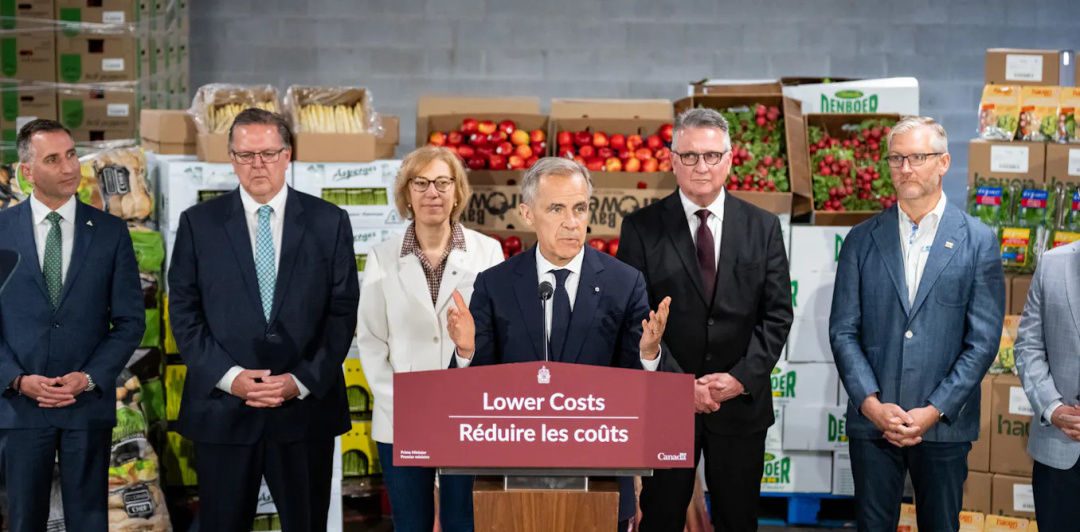
In June 2026, Prime Minister Mark Carney introduced the National Food Security Strategy, which was positioned as a comprehensive plan to reduce food insecurity in Canada. Carney emphasized that the initiative aims to address the structural causes of food insecurity, particularly for vulnerable populations. However, experts in food insecurity and health have raised concerns that the strategy does not adequately tackle the fundamental issues that lead to food insecurity, nor does it address the associated health consequences.
Food insecurity is defined as the inability to afford sufficient food due to financial constraints, and it is fundamentally an income issue rather than a food supply problem. Researchers argue that without addressing income inadequacy, initiatives aimed at strengthening the food system will not effectively mitigate food insecurity. The reliance on charitable food donations, as highlighted by the strategy, is seen as insufficient. Charitable efforts cannot resolve the systemic issues rooted in income inequality.
Statistics Canada reported that in 2025, 24 percent of households experienced food insecurity, affecting approximately 9.8 million Canadians. This situation not only jeopardizes access to food but also poses serious health risks. Individuals from food-insecure households are more likely to suffer from mental health issues such as depression and anxiety, as well as chronic health conditions. Studies have shown that food insecurity correlates with increased emergency department visits and hospitalizations, adding strain to an already burdened healthcare system.
The National Food Security Strategy includes funding for charitable food operations, but experts caution that this approach does not address the root causes of food insecurity. For instance, HungerCount reported over two million food bank visits in March 2025, a 99 percent increase since March 2019, indicating a growing reliance on food banks as a response to food insecurity.
One initiative aimed at addressing income inadequacy is the Canada Groceries and Essentials Benefit, which replaced the GST/HST credit in July 2026. This benefit offers a refundable tax credit for low to modest-income individuals and families. While this measure is a step forward, experts note that it creates access barriers for non-tax-filers and the benefit amount may not be sufficient to significantly reduce food insecurity.
Moreover, the National Food Security Strategy lacks accountability measures. The performance indicators outlined in the strategy focus on increasing domestic food production and retail competition rather than directly addressing food insecurity. To effectively combat food insecurity, experts advocate for the establishment of clear targets for reducing its prevalence, such as halving household food insecurity by 2030.
While the National Food Security Strategy may contribute to enhancing food system resilience, it does not directly address the urgent need to alleviate food insecurity among the most vulnerable populations. Expanding the strategy to include measures that address income inadequacy and accountability targets could lead to significant improvements in food security and health outcomes for affected individuals. By prioritizing these areas, Canada could reduce the detrimental health effects associated with food insecurity and alleviate pressure on the healthcare system.