Building a Nutritious Emergency Food Stockpile for Potential Disruptions
A UK government watchdog has raised concerns that many households are not adequately prepared for potential food supply disruptions caused by disasters such as cyberattacks, power outages, disease outbreaks, or extreme weather events. In light of this, the government has recommended that the public stock up on non-perishable foods that require no cooking. However, this general advice lacks specificity regarding what foods to choose to ensure a balanced diet during emergencies.
To maintain health during a prolonged reliance on emergency supplies, it is crucial to consider the nutritional quality of the stockpile. Relying solely on ready-to-eat or canned foods is not ideal, as these options often lack fresh produce and essential vitamins. Additionally, many canned foods are high in salt, which can pose health risks over time.
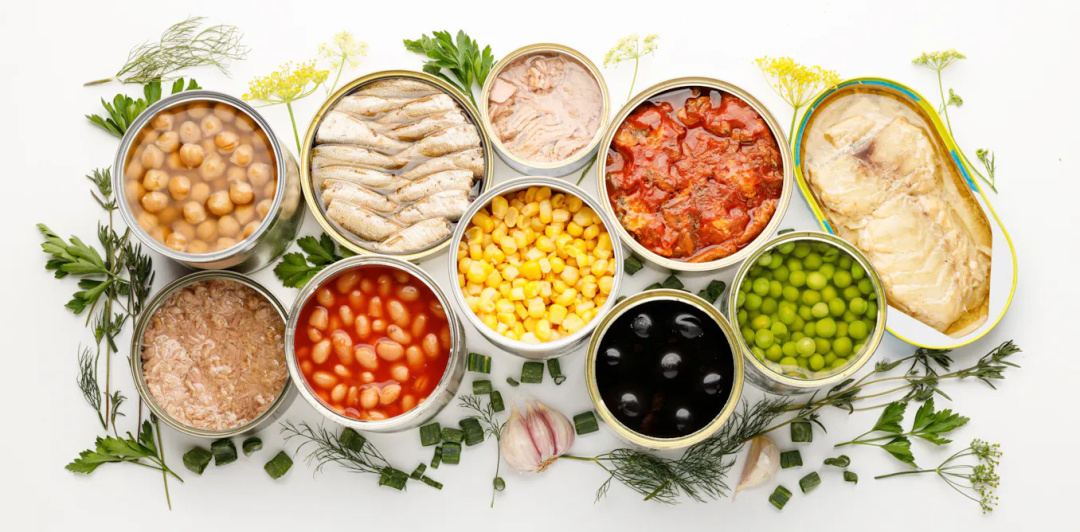
When preparing for a potential emergency lasting several weeks, prioritizing protein is essential for maintaining muscle mass and metabolic function. Canned meats such as chicken, stewed steak, and meatballs, along with tinned fish like salmon, sardines, and tuna, provide valuable protein and omega-3 fatty acids beneficial for brain and heart health. However, pregnant women should limit their intake of tuna due to mercury levels and oily fish consumption should also be moderated.
Tinned beans are another excellent source of protein, fiber, and various vitamins and minerals. Opting for low-salt versions or beans canned in water can help manage sodium intake. Additionally, having long-life milk or skimmed milk powder on hand can contribute to calcium and protein intake.
Carbohydrates are vital for energy, making them a priority in any emergency stockpile. If access to power and water is available, dried options like brown rice, wholegrain pasta, and porridge oats are excellent staples. Wholegrain options provide more fiber, which is essential for digestive health and satiety.
Including canned or jarred vegetables is crucial for ensuring adequate vitamin and mineral intake. Options like carrots, green beans, and tomatoes are rich in essential nutrients. Whole nuts and seeds can serve as nutritious, shelf-stable snacks, providing healthy fats and additional vitamins.
Taste should not be overlooked; stocking up on jarred sauces or canned soups can help create enjoyable meals from the stockpile. Comfort foods, such as canned fruit in juice or rice pudding, can also provide variety and comfort during a challenging time.
Lastly, considering a multivitamin supplement can be beneficial, particularly for nutrients like vitamin C, which may be lacking in a diet primarily consisting of canned and dried foods. Adequate hydration is also essential; storing enough water for drinking and cooking is crucial, with recommendations suggesting three to four liters per person per day.
While a food shortage is never an ideal situation, with careful planning, it is possible to create a nutritious emergency food stockpile that can sustain health and well-being during challenging times. Don't forget to include a can opener!