Accelerated Biological Aging Linked to Rising Cancer Rates in Younger Adults
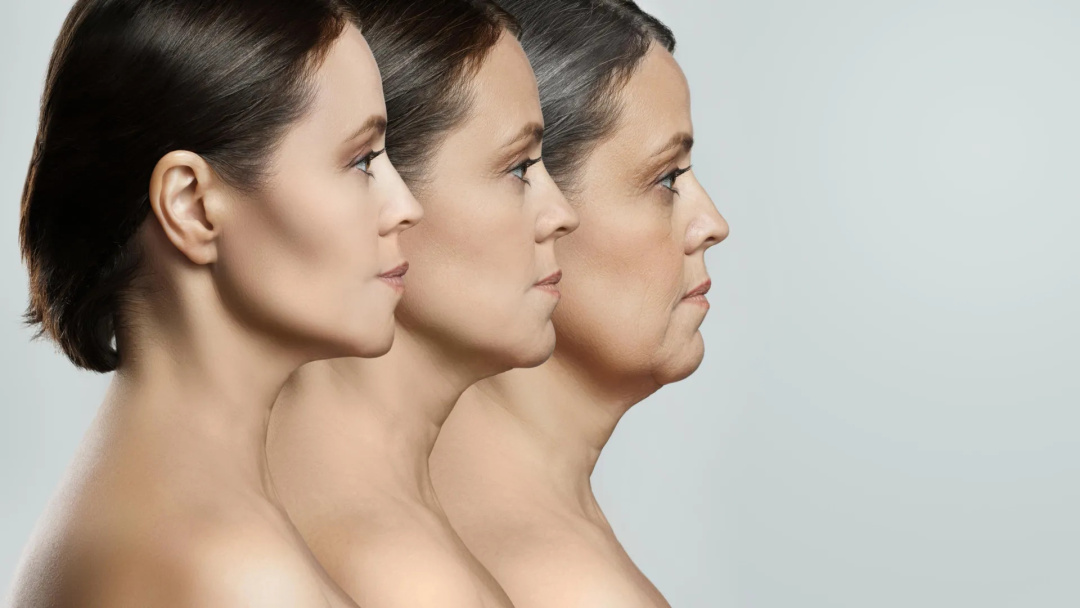
Cancer is traditionally associated with older age, as the longer individuals live, the more their cells have the opportunity to accumulate damage that can lead to tumor growth. However, recent findings indicate a troubling trend: cancer is increasingly being diagnosed in younger adults, with each successive generation facing a higher risk than the last. This phenomenon has led researchers to explore whether younger generations are experiencing biological aging at an accelerated rate, potentially contributing to this rise in cancer rates.
A study led by researchers at Washington University School of Medicine in St. Louis provides evidence supporting this hypothesis. The research team discovered that younger generations show signs of aging more rapidly on a biological level compared to older generations at similar chronological ages. This accelerated biological aging is linked to an increased risk of early-onset cancers, defined as those diagnosed in individuals aged 55 or younger.
The distinction between chronological age and biological age is crucial in this context. While chronological age simply counts the years a person has lived, biological age reflects how old the body appears based on measurable changes in cells, organs, and other physiological systems. The study found that as the gap between biological age and chronological age widens, the risk of cancer increases. Younger generations exhibited larger gaps, suggesting that their bodies appear biologically older than those of their predecessors at the same chronological age.
The research team, which includes members from the Siteman Cancer Center and the Cancer Grand Challenges initiative, is investigating the factors driving these changes. Their findings indicate that not all organ systems age at the same rate. For instance, an immune system that appears biologically older is associated with early-onset lung cancer, while older-appearing fat tissue correlates with early-onset colorectal cancer.
The study, published in the journal Nature Medicine, analyzed data from over 154,000 young adults in the UK Biobank and more than 10,000 participants in the NIH's All of Us Research Program. The researchers employed various methods to measure biological aging, including systemic aging, which assesses aging across the body, and organ-specific aging, which estimates how quickly individual organs are aging.
The results revealed significant generational differences in biological aging. For example, participants born between 1990 and 1999 in the U.S. showed systemic aging that was 92% of one standard deviation higher than those born between 1965 and 1969. This accelerated aging was associated with an 8% increased risk of early-onset solid cancers, particularly lung, gastrointestinal, and uterine cancers. Notably, individuals with the most advanced systemic aging faced a 15% higher risk of early-onset solid cancers compared to those with the least advanced aging.
The researchers emphasize the importance of identifying younger individuals at higher cancer risk while they are still healthy, as this could enable earlier prevention and screening strategies. Yin Cao, a molecular epidemiologist and associate professor at WashU Medicine, stated, "Our ultimate goal is to decode how modern environments become biologically embedded to drive cancer risk, transforming prevention from broad recommendations to personalized interventions."
This research is part of a larger initiative, Team PROSPECT, which aims to understand the complex factors contributing to the rise of early-onset cancers. By examining how environmental, lifestyle, and societal changes may leave lasting biological marks, researchers hope to uncover the biological origins of these cancers and ultimately improve prevention and intervention strategies. The findings underscore the need for ongoing research into the interplay between biological aging and cancer risk in younger populations, as understanding these dynamics could lead to more effective approaches to cancer prevention and care.