Guidelines for Greek Consumers on Food Safety and Label Understanding

In today's food market, consumers face an overwhelming amount of information regarding food safety, much of which can be misleading. Dr. Charalambos Proestos, a Professor of Food Chemistry at the National and Kapodistrian University of Athens, emphasizes the importance of being able to discern reliable information from false claims, especially in light of rising food fraud and high prices pushing shoppers towards cheaper alternatives.
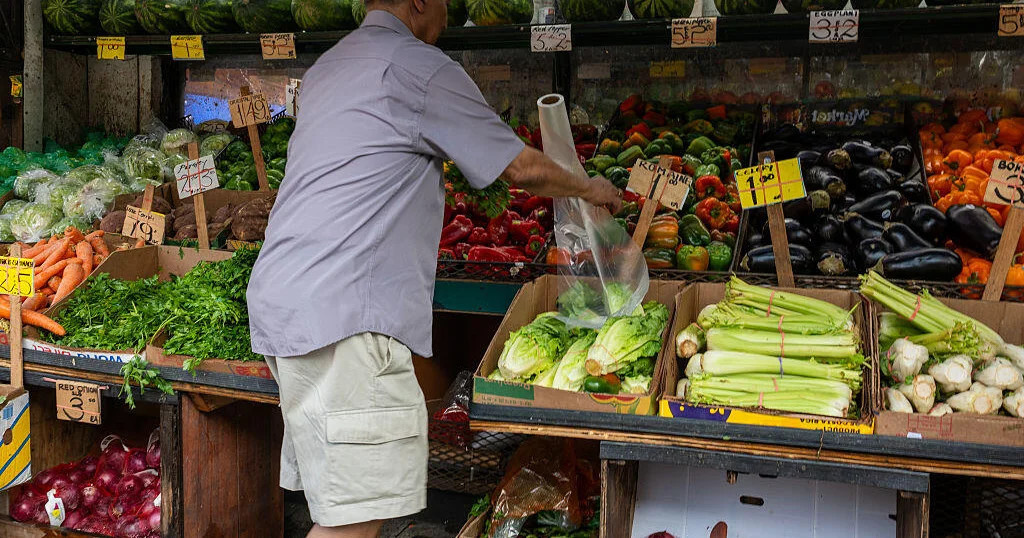
Food fraud poses significant challenges, affecting product quality and consumer trust. This includes practices such as diluting extra virgin olive oil with cheaper oils or misrepresenting the geographical origin of products. Dr. Proestos notes that the complexity increases when products are sold loose without standardized packaging, making it harder for consumers to verify authenticity.
The food label is a vital tool for consumers, yet many do not fully read or understand the information presented. Dr. Proestos highlights that younger consumers are increasingly seeking to educate themselves about ingredients and nutritional values online, but basic information such as cooking instructions, storage guidelines, and expiry dates are often overlooked.
Key aspects consumers should check on labels include ingredients, allergens, nutritional declarations, country of origin, and storage instructions. A long list of ingredients can raise red flags, particularly if it includes many additives or chemical names. However, not all products with numerous ingredients are unsafe; consumers should be cautious and informed.
When it comes to olive oil, Dr. Proestos explains that quality indicators include acidity levels and the product's declared origin. For olive oil to be classified as extra virgin, its free acidity must not exceed 0.8%. Other factors, such as the presence of beneficial compounds, also contribute to quality.
Misleading marketing terms like "traditional" or "natural" do not guarantee product quality. Instead, consumers should look for official quality certifications such as PDO (Protected Designation of Origin) and PGI (Protected Geographical Indication).
Dr. Proestos addresses common food myths, such as the belief that higher prices equate to better quality, and clarifies misconceptions about organic products and honey crystallization. He explains that crystallization is a natural process and does not indicate adulteration. Additionally, cloudy olive oil does not necessarily signify higher quality; true assessment relies on chemical and sensory criteria.
Understanding expiry dates is crucial, as "use by" dates relate to safety, while "best before" dates pertain to quality. Consumers should take "use by" dates seriously, especially for perishable items.
Hygiene practices at home are equally important, as food can become unsafe if not handled properly. Dr. Proestos advises consumers to wash hands, keep raw and cooked foods separate, and follow storage instructions diligently.
As food safety discussions expand to include alternative proteins and cultivated meat, transparency in labeling remains essential. Consumers should be informed about the contents of their food products, including any alternative protein sources.
In conclusion, Dr. Proestos urges consumers to be vigilant, read labels carefully, and choose trustworthy sources to ensure food safety. Modern food chemistry plays a crucial role in detecting fraud and ensuring public health, with ongoing research focused on improving traceability and authenticity in food products.