Five Foods Richer in Choline Than Eggs and Their Nutritional Benefits
Choline is a vital nutrient that plays a significant role in brain development, liver function, and maintaining cell membrane integrity. Despite its importance, a report from the Dietary Guidelines Advisory Committee in 2020 indicated that many Americans are not meeting their choline needs. Registered dietitian Marie Caudill, Ph.D., emphasized that populations such as pregnant women particularly require adequate choline intake but often fall short.
A large egg contains approximately 147 mg of choline, according to data from the U.S. Department of Agriculture (USDA). While eggs serve as a convenient source of choline, several other foods surpass them in choline content per serving.
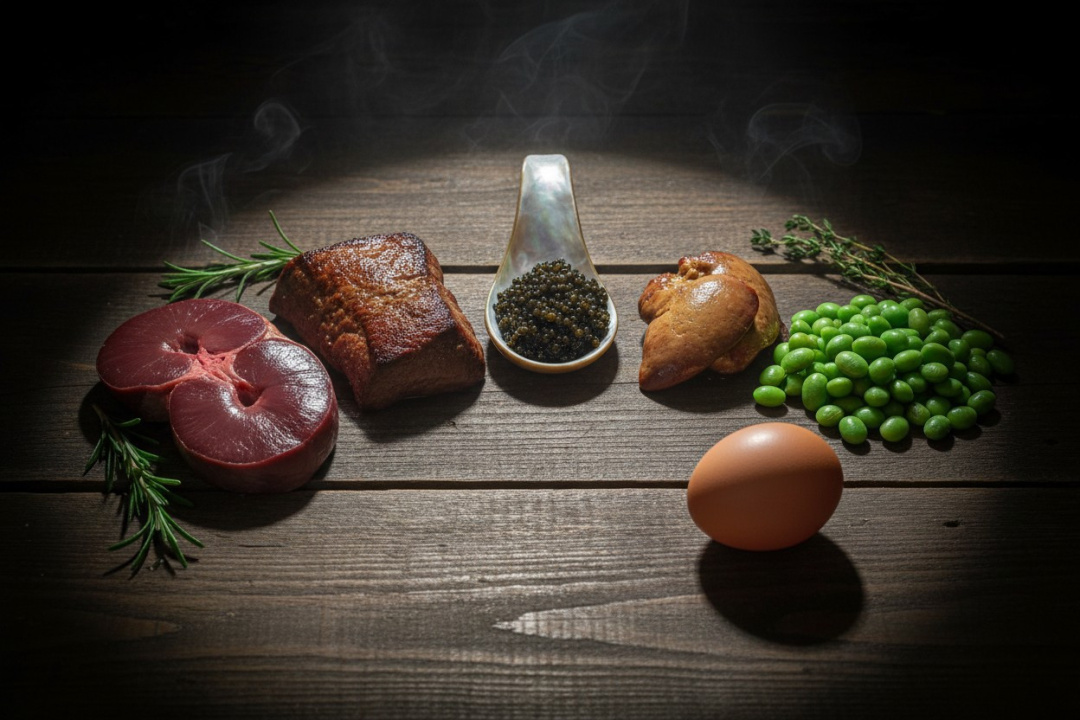
One of the richest sources of choline is beef kidney. A 3-ounce serving of cooked beef kidney offers about 436 mg of choline, which accounts for roughly 79% of the daily recommended intake. This amount is nearly three times that found in a single large egg. In addition to its choline content, beef kidney provides about 27% of the daily iron requirement in a highly bioavailable form, making it a valuable food for those concerned with iron deficiency.
Another excellent source is beef liver, which contains approximately 356 mg of choline per 3-ounce serving, equating to 65% of the daily value. Choline is essential for liver health, and a deficiency could lead to liver damage. Beef liver is also rich in vitamin A, providing 8,020 micrograms per serving, which is 891% of the daily value. This vitamin has antioxidant properties that protect brain cells and tissues.
Caviar, or fish roe, is another noteworthy source of choline. Two tablespoons of caviar contain around 157 mg of choline, exceeding the choline content of an egg by about 10 mg. Caviar is also rich in omega-3 fatty acids and vitamin B12, both of which are beneficial for brain function.
Chicken liver is a milder alternative that still packs a significant choline punch, with approximately 246 mg of choline per 3-ounce serving. This serving also provides protein, vitamin B12, vitamin A, iron, and folate, making chicken liver a nutrient-dense option for those looking to boost their choline intake.
Lastly, soybeans are the only plant-based food on this list, offering about 214 mg of choline per cup when cooked. They are also a good source of protein and fiber, making them an excellent choice for those following a plant-based diet.
Incorporating a variety of these foods can help individuals meet their daily choline needs, especially for those who may not consume eggs regularly. The Dietary Guidelines Advisory Committee's report underscores the commonality of choline deficiency and suggests that increasing intake from these sources may help address this nutritional gap. While eggs remain a convenient source of choline, these alternatives provide additional nutrients that support overall health, including iron, vitamin A, omega-3 fatty acids, and fiber. As research continues to link choline to cognitive health and liver function, including these foods in the diet may contribute to long-term well-being.