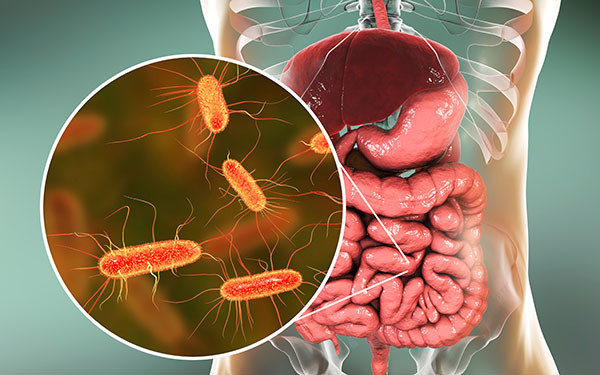
Review Highlights Benefits of Fermented Foods for Gut Health and Immunity
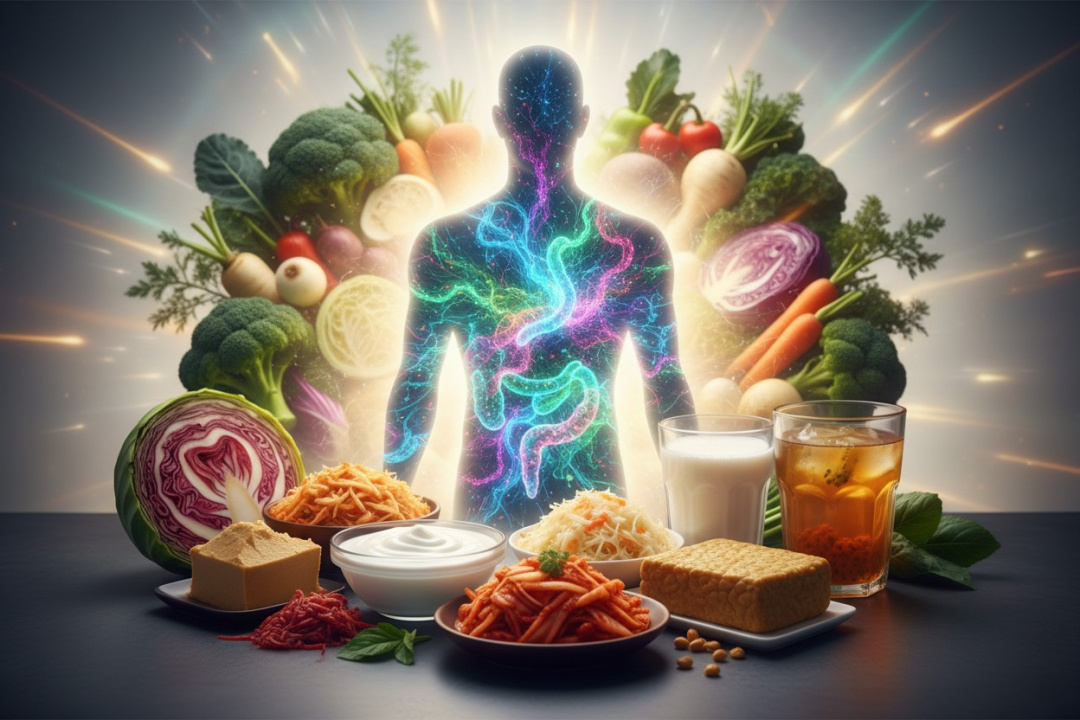
A comprehensive review published on June 27, 2026, in Nature Reviews Microbiology synthesizes findings from numerous studies examining the effects of fermented foods on gut health and immune function. This review highlights the long-standing tradition of food fermentation across cultures, where foods such as kimchi, yogurt, and miso have been consumed for centuries. The authors of the review note that while traditional practices have long recognized the benefits of fermented foods, modern scientific research is beginning to validate these claims through clinical and epidemiological studies.
Fermented foods are rich in live microorganisms, fibers that nourish gut bacteria, and metabolites produced during the fermentation process. The review underscores that these foods provide a unique combination of probiotics, prebiotics, and postbiotics. Probiotics are live beneficial bacteria, while prebiotics are non-digestible ingredients, typically carbohydrates, that serve as fuel for these beneficial bacteria. Examples of prebiotics include fructooligosaccharides and galactooligosaccharides, which help support gut health by promoting the growth of beneficial microbes.
The review also discusses how many microorganisms introduced through fermented foods do not permanently colonize the gut but interact with existing microbial populations while passing through the digestive system. This interaction can influence the microbial communities in both the mouth and gut, potentially supporting overall health. The fermentation process, driven by microorganisms such as lactic acid bacteria, transforms proteins, carbohydrates, and fibers in food into new beneficial compounds, including bioactive peptides.
Particular attention is given to plant-based fermented foods like kimchi, sauerkraut, tempeh, and miso, which are noted for their fiber-rich matrices. The review suggests that dietary fiber may protect beneficial microbes during digestion while simultaneously feeding existing gut bacteria. While yogurt and kefir are commonly associated with gut health, the review posits that plant-based options may offer additional support by combining probiotics with prebiotic fiber.
The authors clarify that the review does not imply that fermented dairy products are unhealthy. Dr. Akil Palanisamy, author of The Paleovedic Diet, notes that foods like sauerkraut, kimchi, and kefir are excellent sources of beneficial bacteria and may contain more probiotics than some supplements when prepared correctly.
The review also explores the concept of the oral-gut axis, which refers to the communication between microbes in the mouth and those in the digestive tract. Researchers propose that fermented foods may positively influence both microbial communities, potentially benefiting oral health as well as gut health. This connection is increasingly relevant, as oral health has been linked to inflammation and various chronic diseases.
The review recommends incorporating a diverse range of fermented foods into the diet rather than relying solely on a single source or probiotic supplement. Pairing these foods with fiber-rich whole foods such as vegetables, legumes, and whole grains may further support a resilient gut microbiome. The authors advocate for integrating the microbiome of fermented foods into precision nutrition, a personalized dietary approach.
In conclusion, the review emphasizes that fermented foods are more than just a delivery system for probiotics; they offer a complex interplay of live microorganisms, postbiotic metabolites, and prebiotic substrates that cannot be replicated by supplements alone. As research continues to uncover the influence of the gut microbiome on overall health, fermented foods are increasingly recognized for their potential benefits to gut health and immune function.